Student Works
Village Survey Report 2021
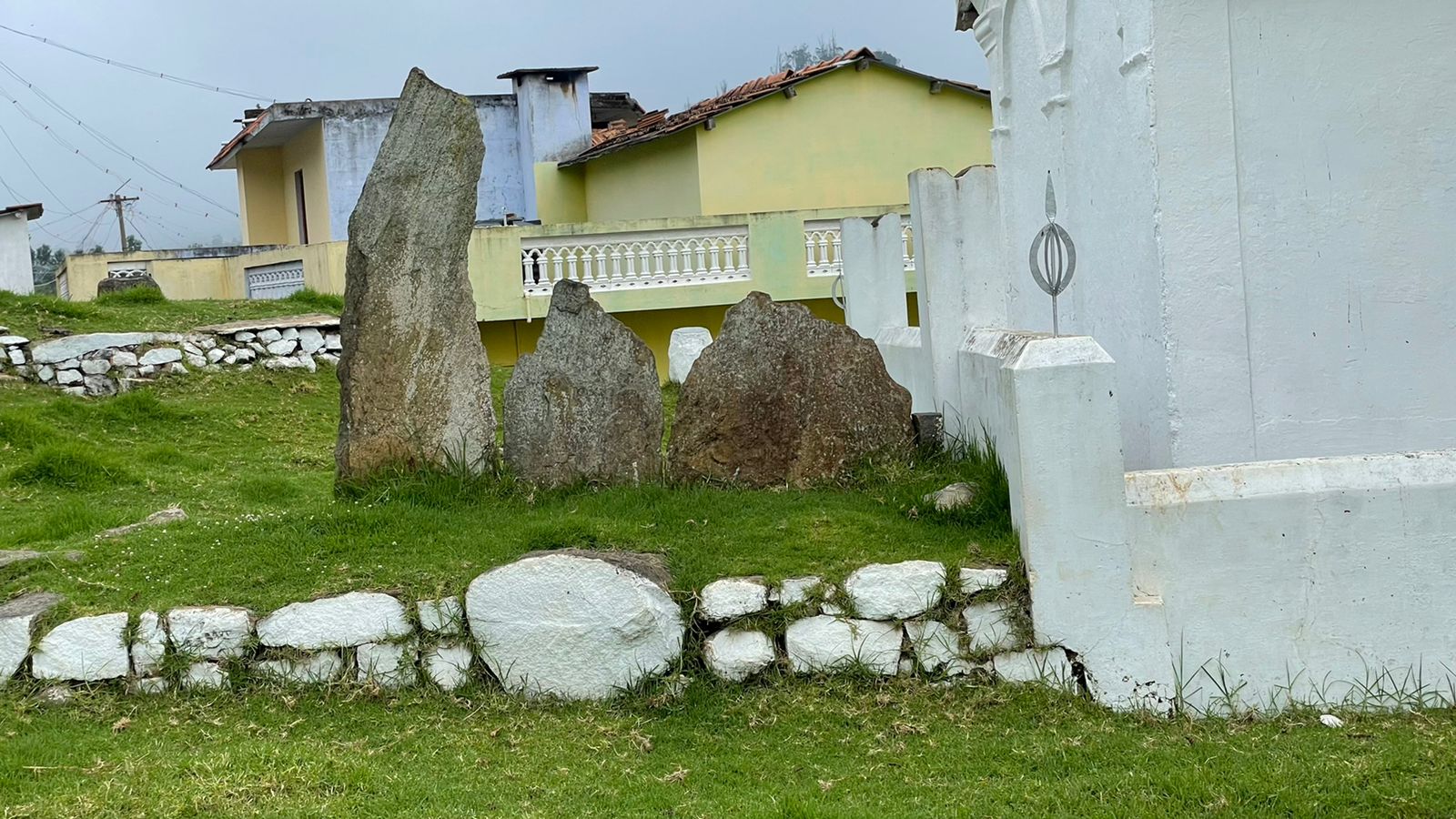
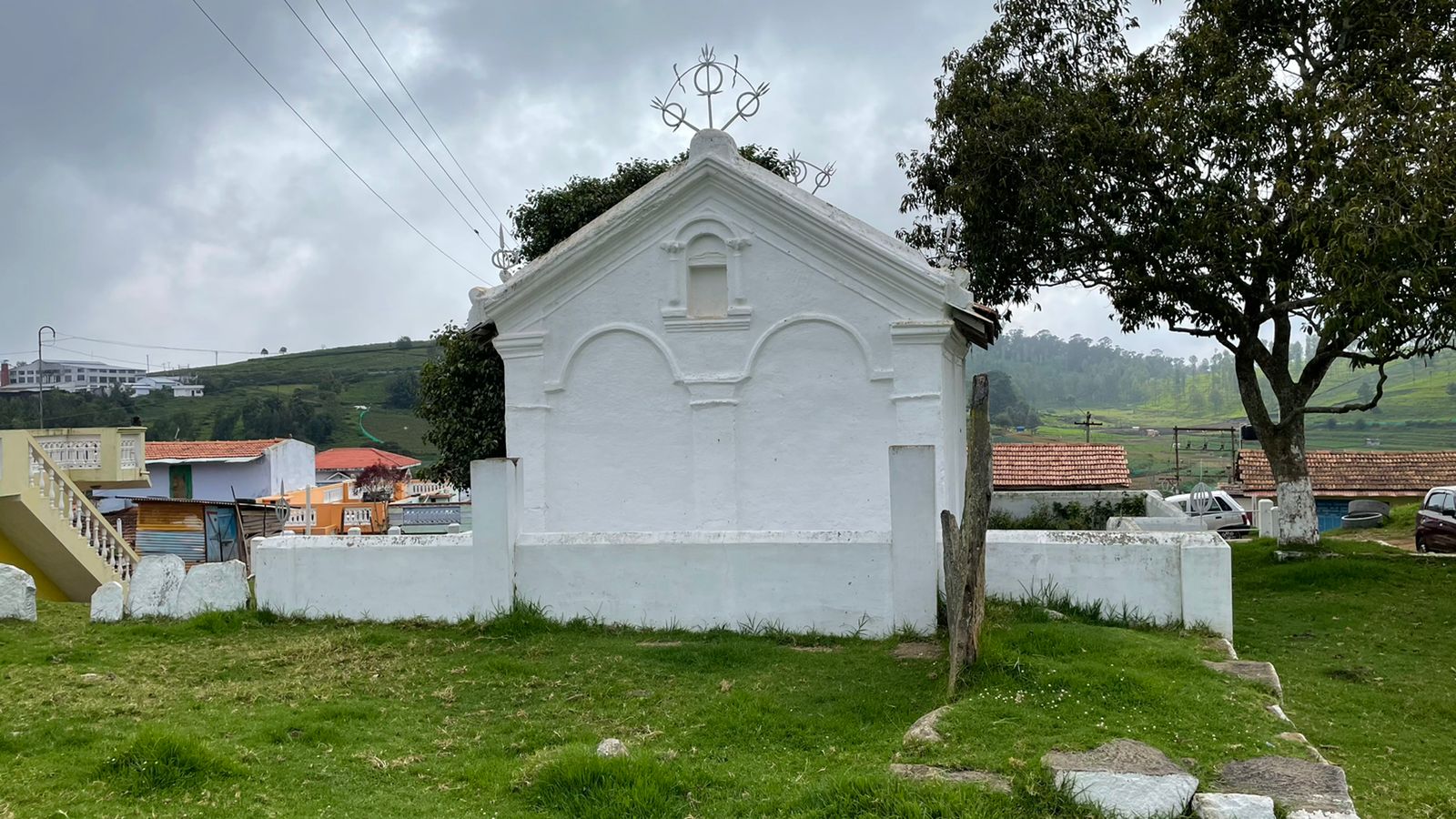
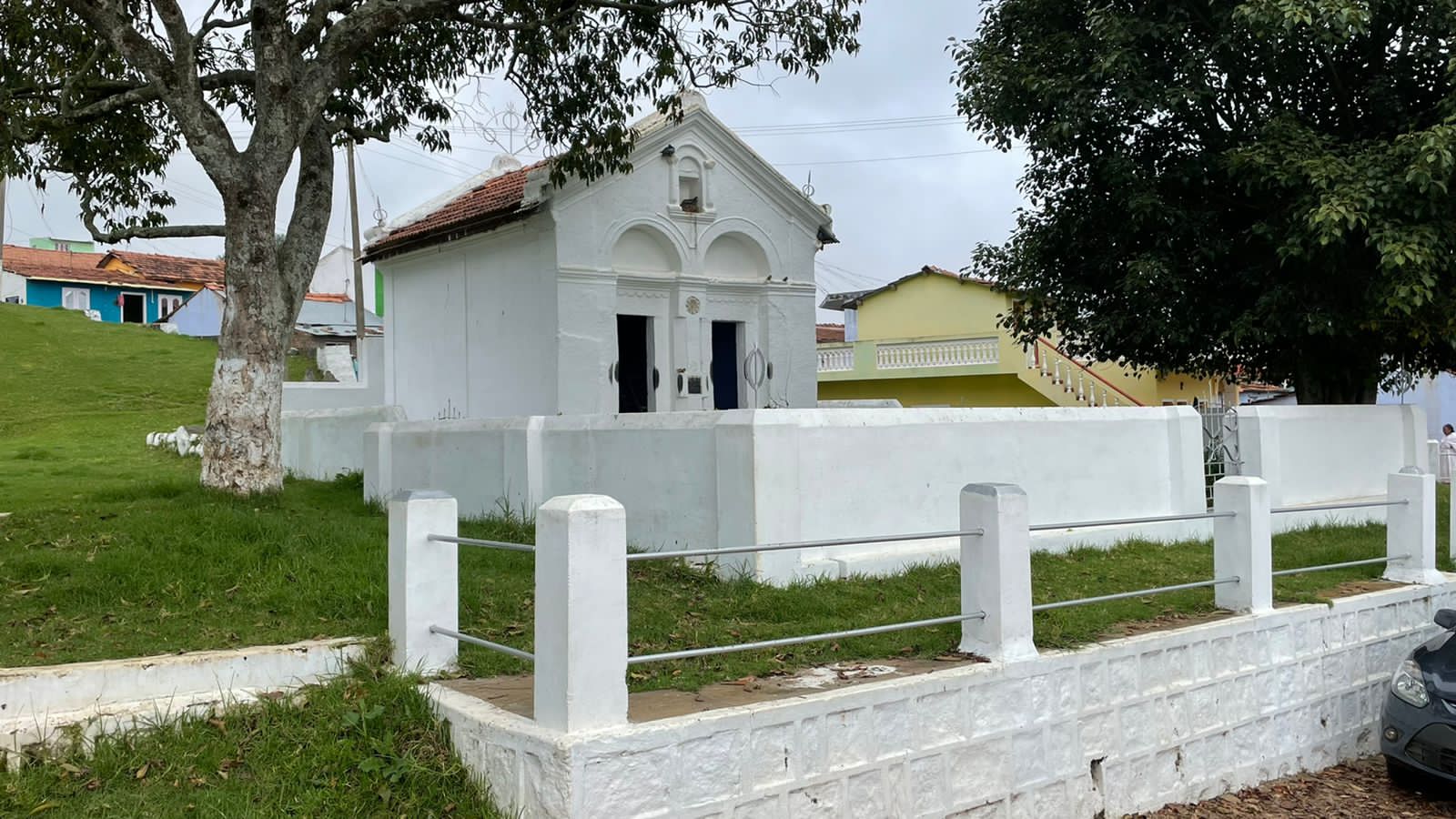
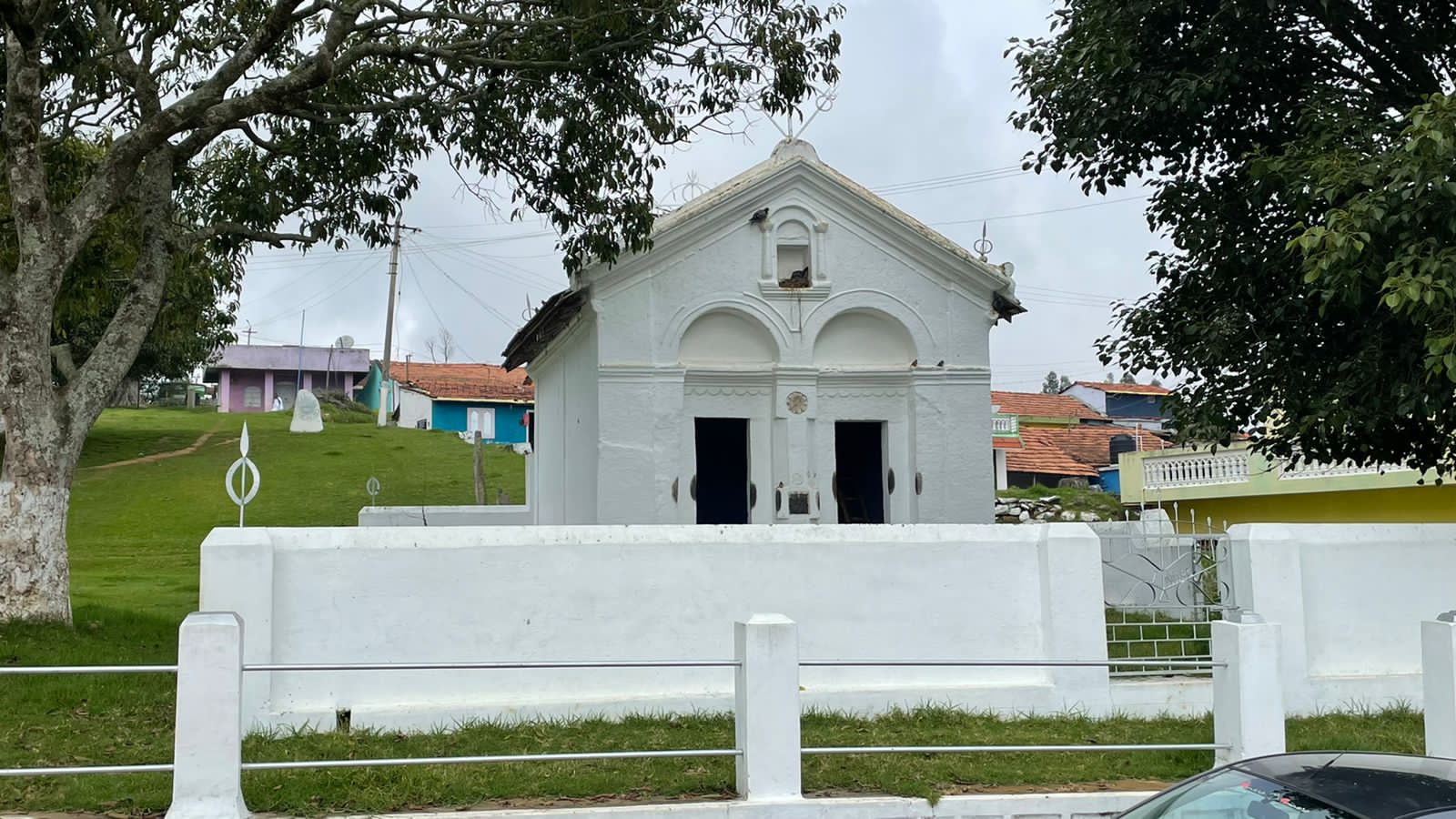
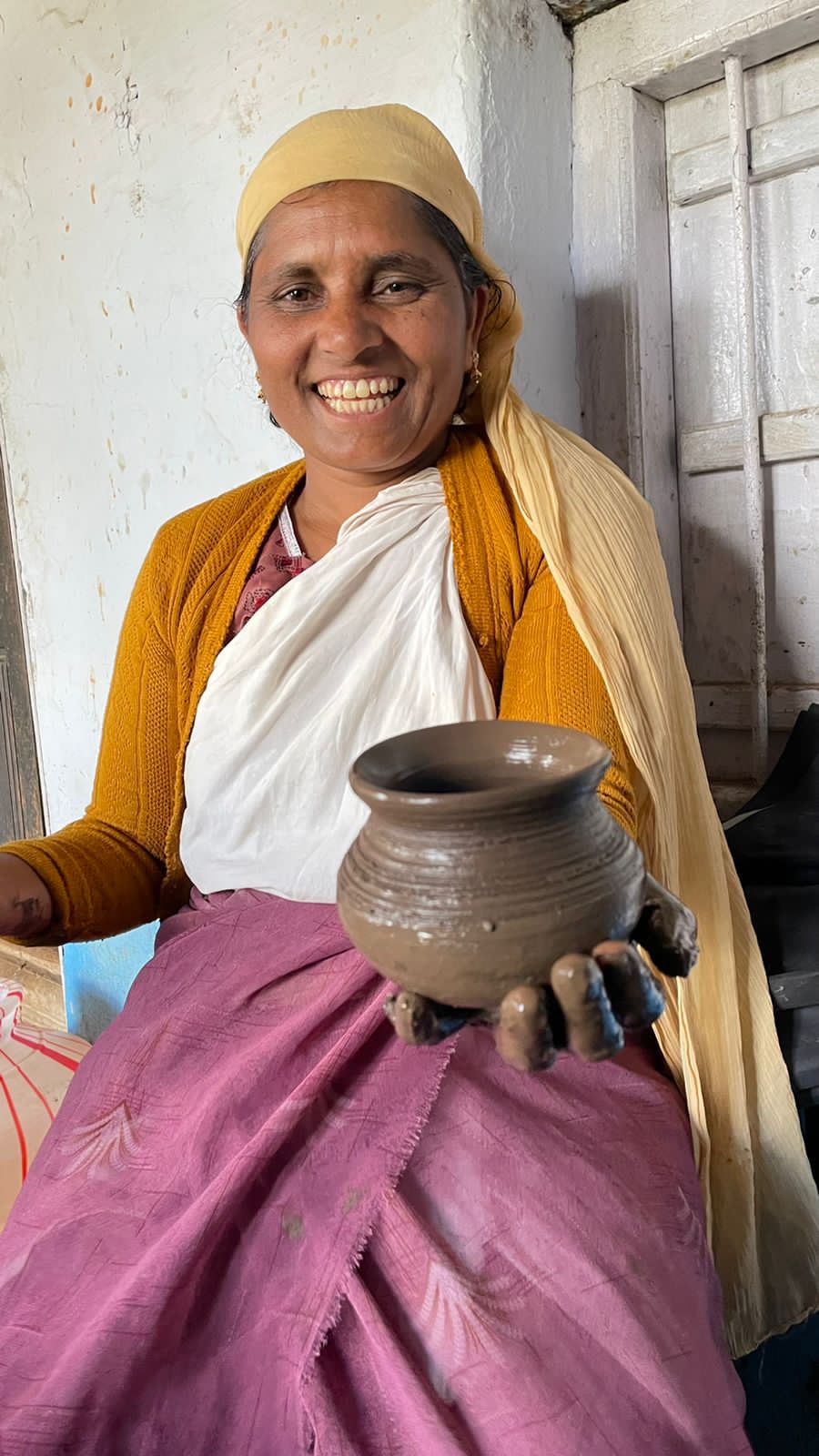
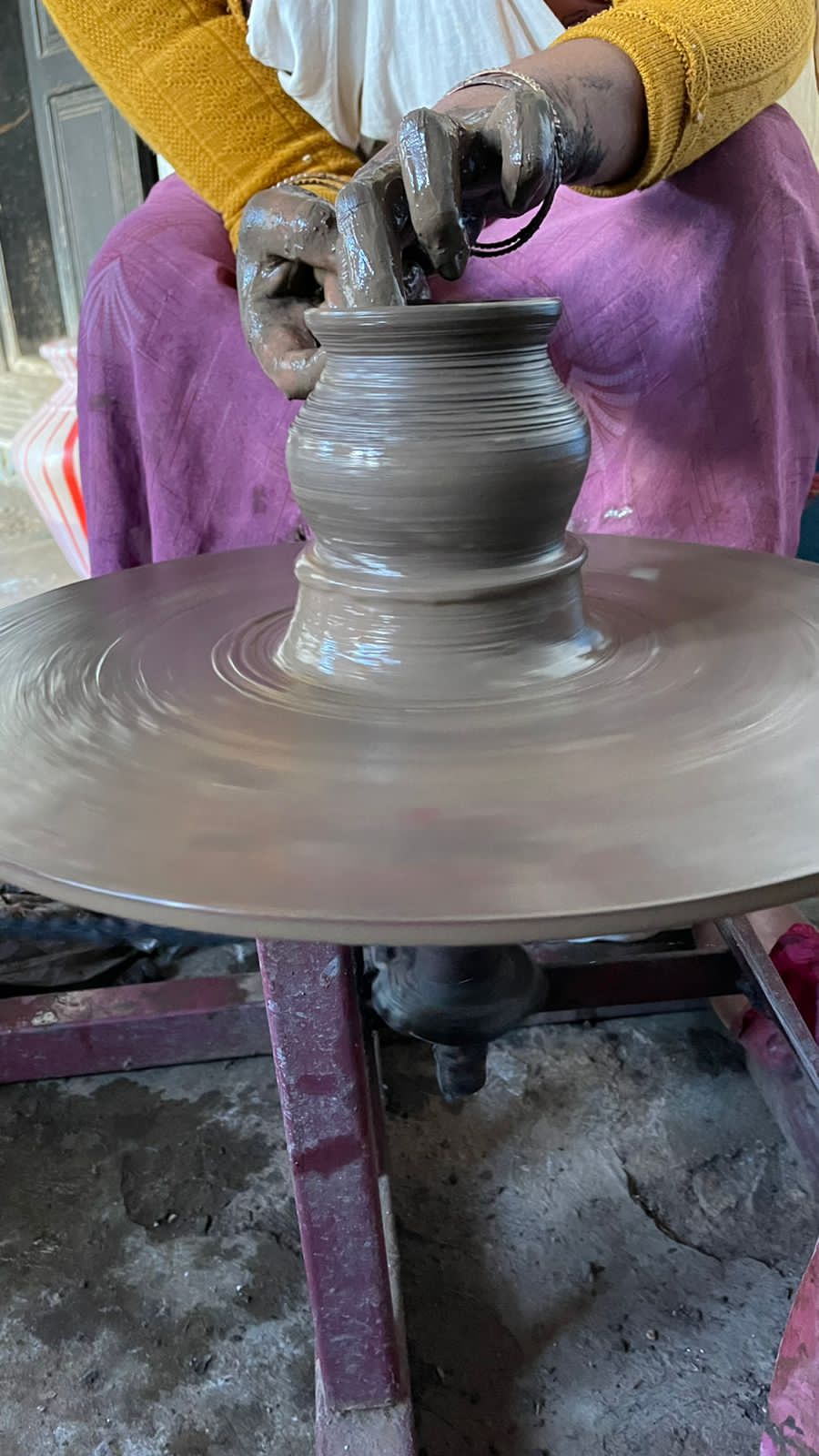
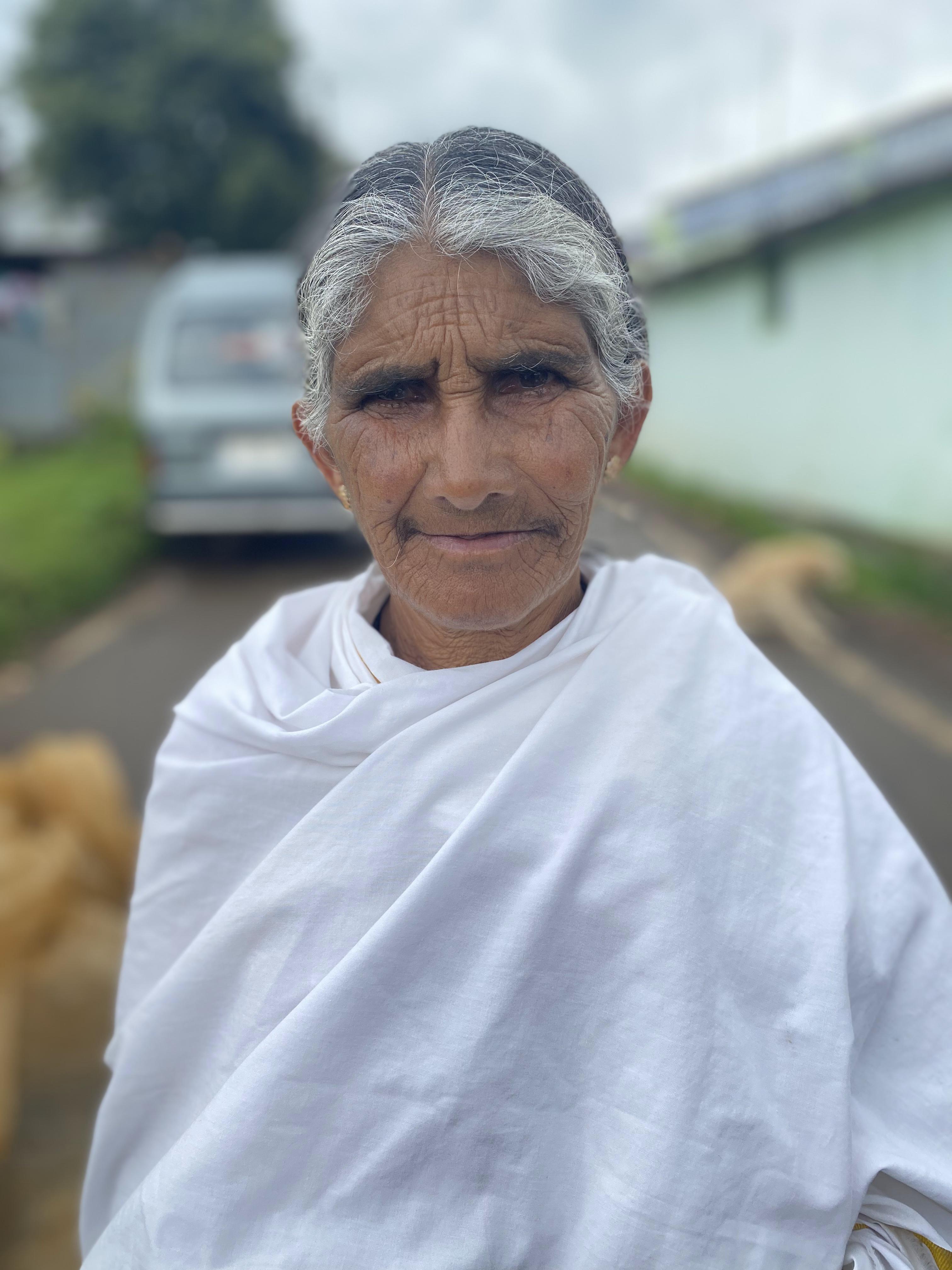
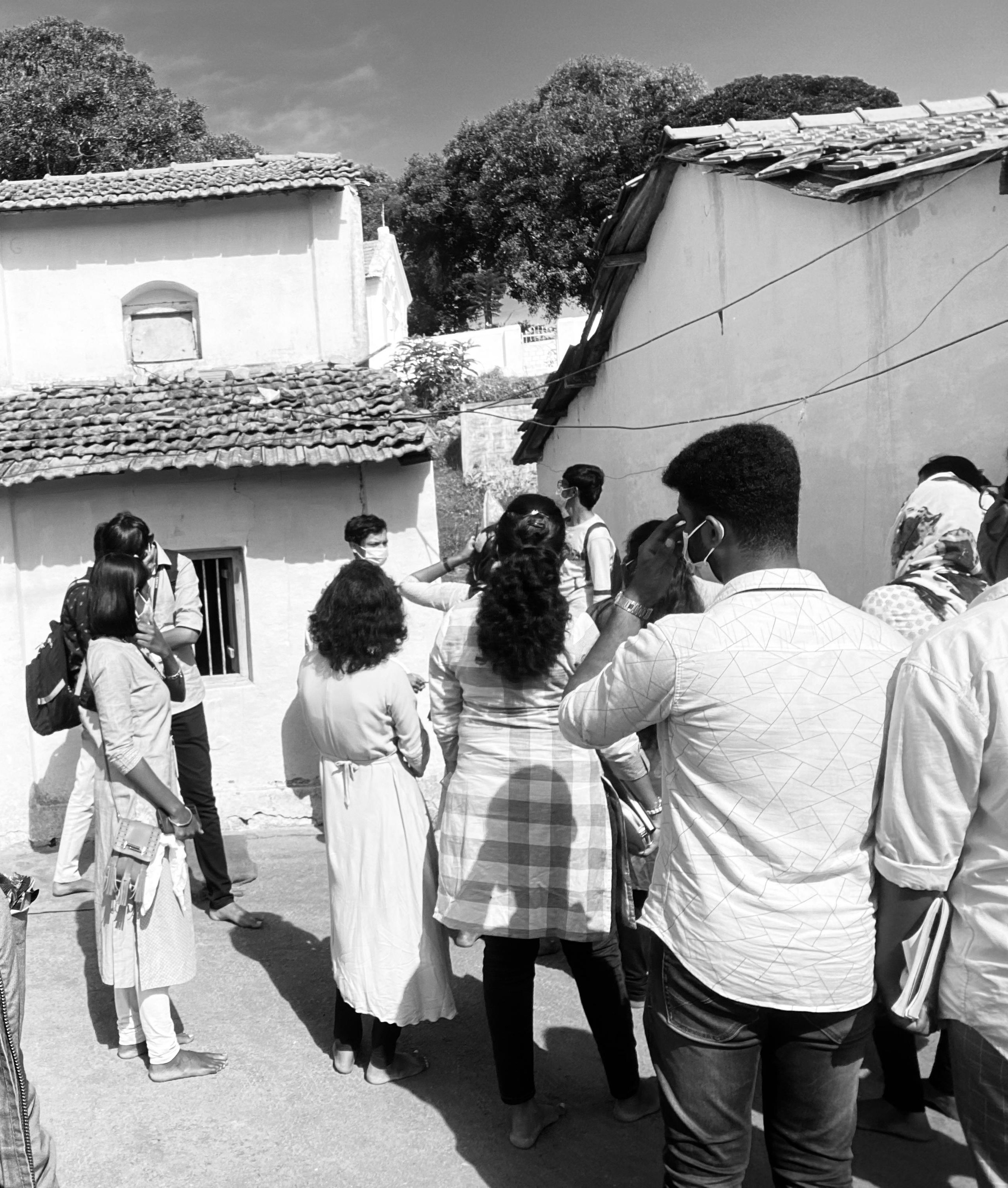
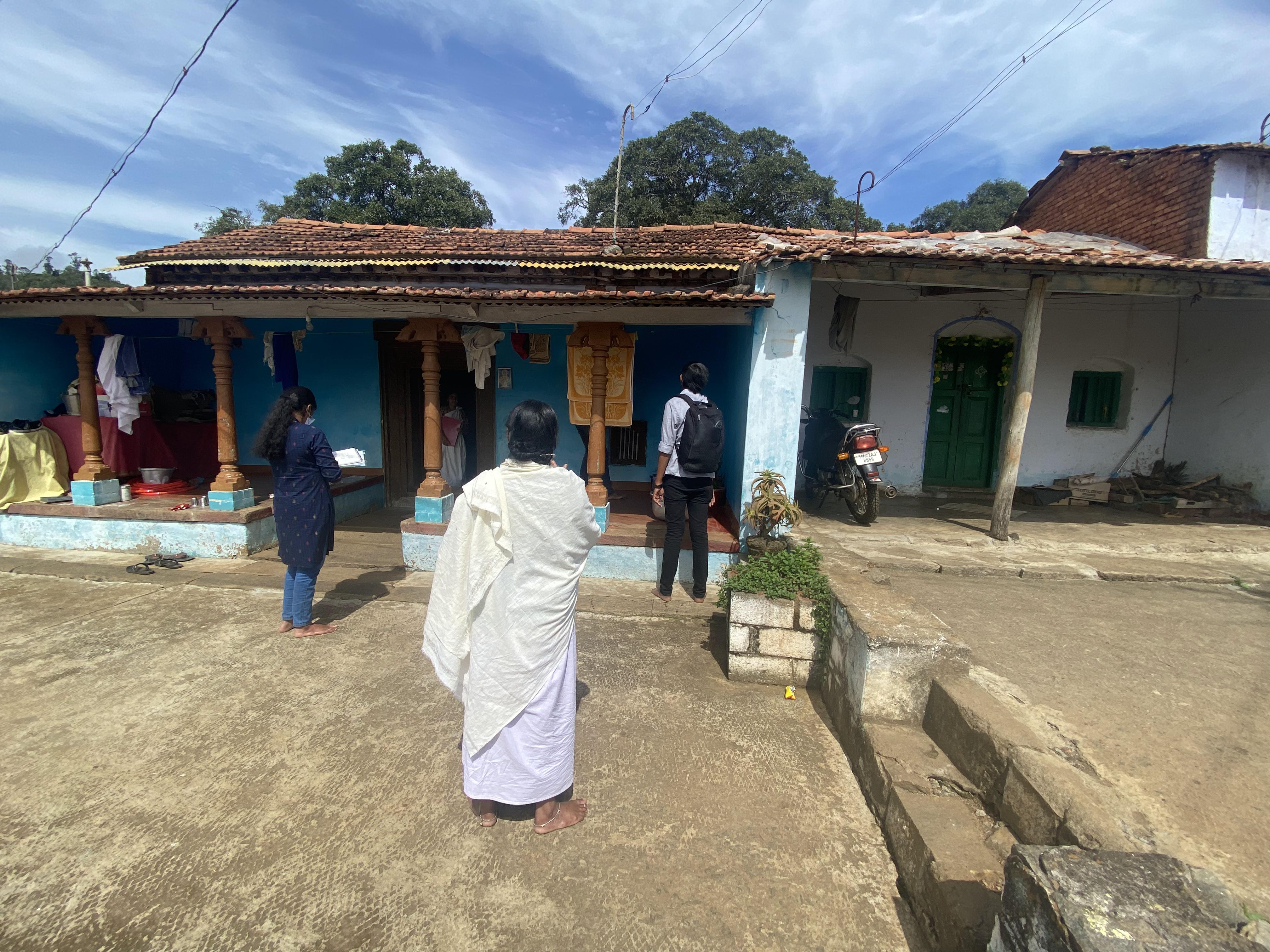
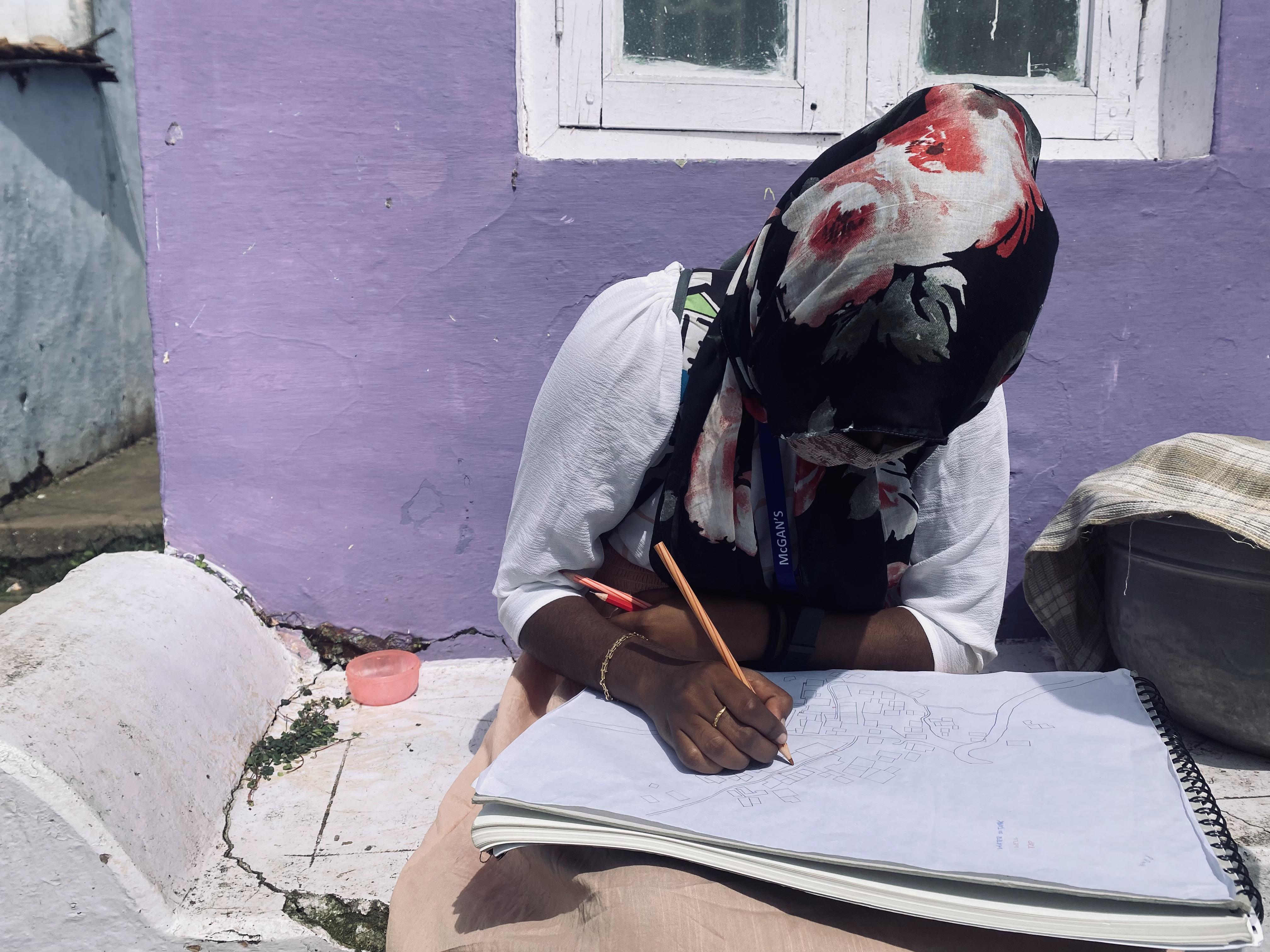
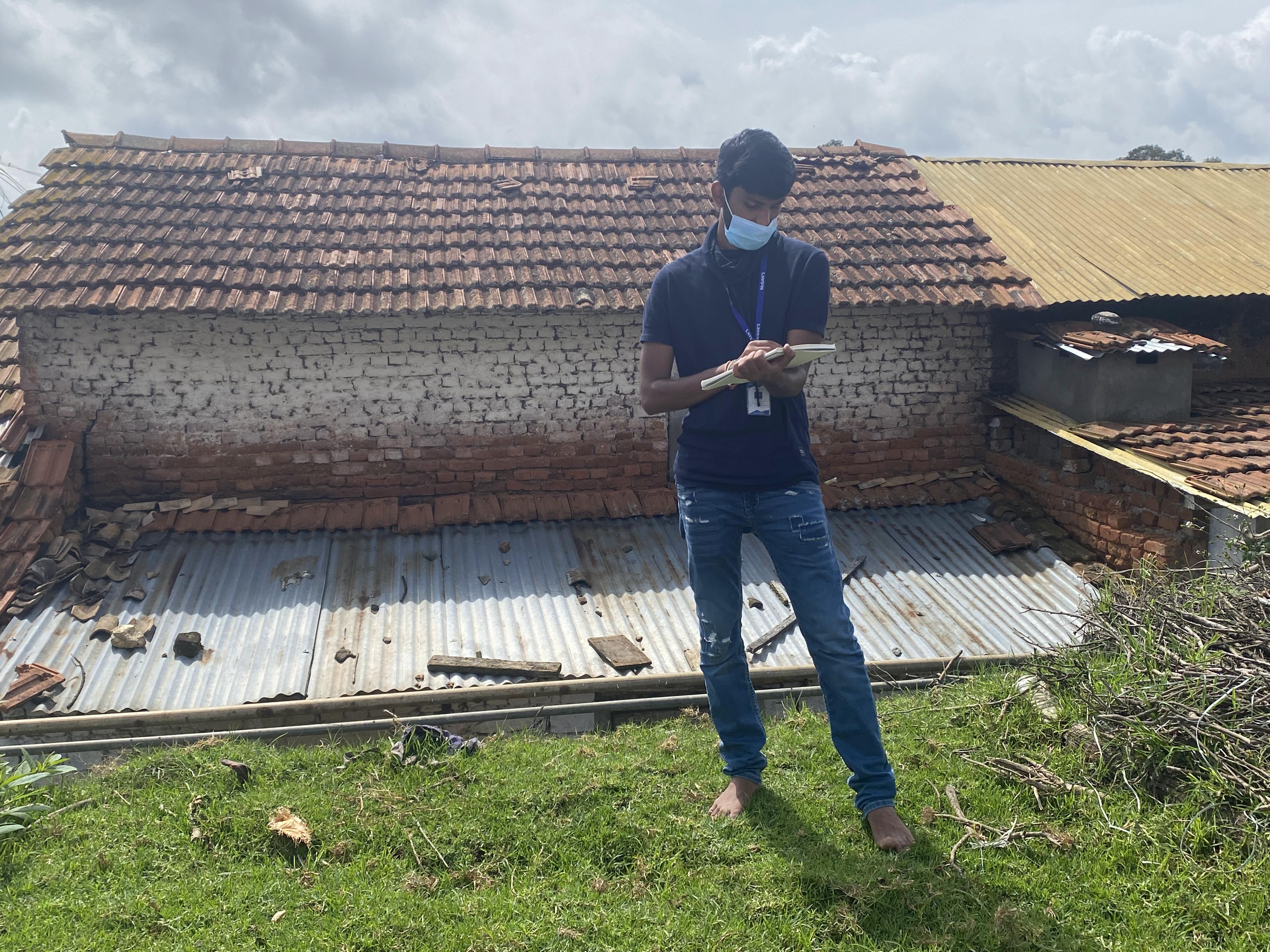
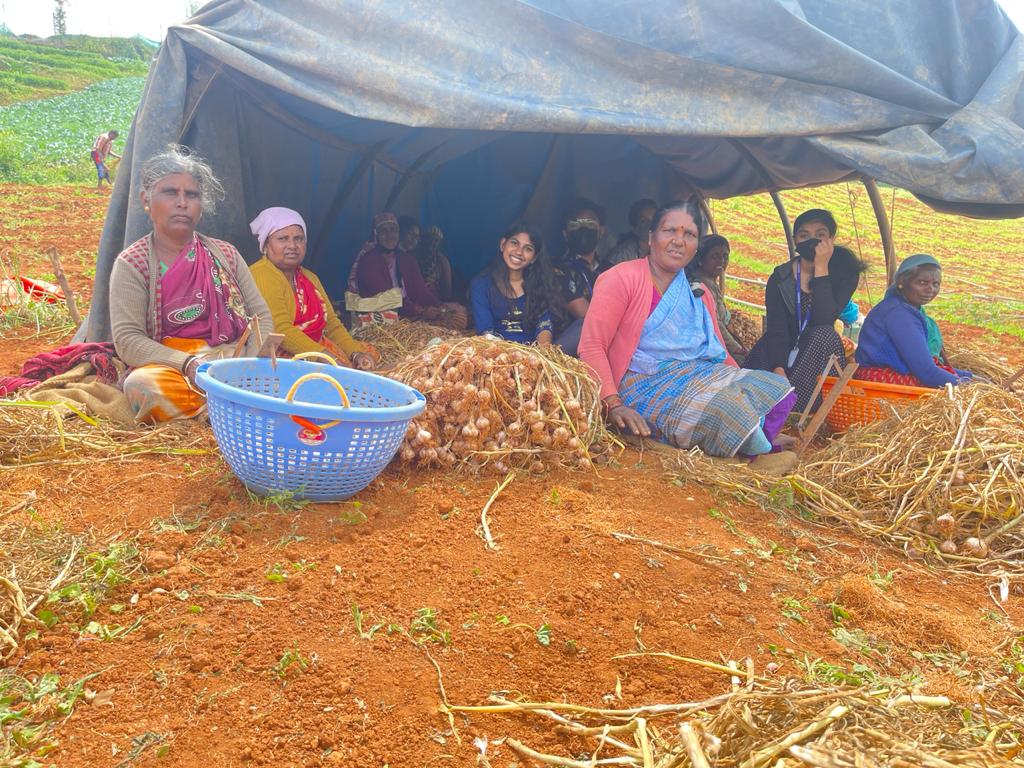
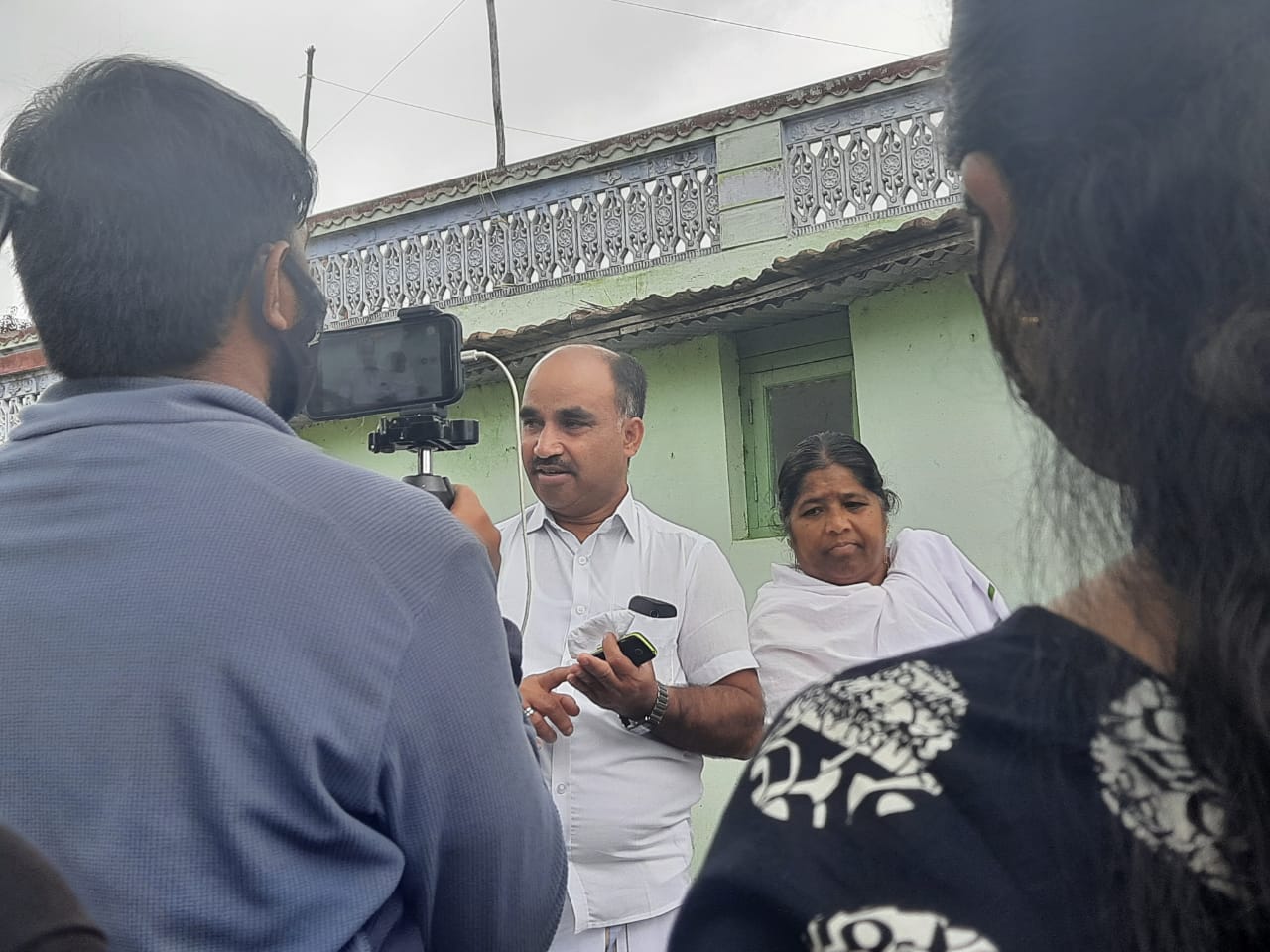
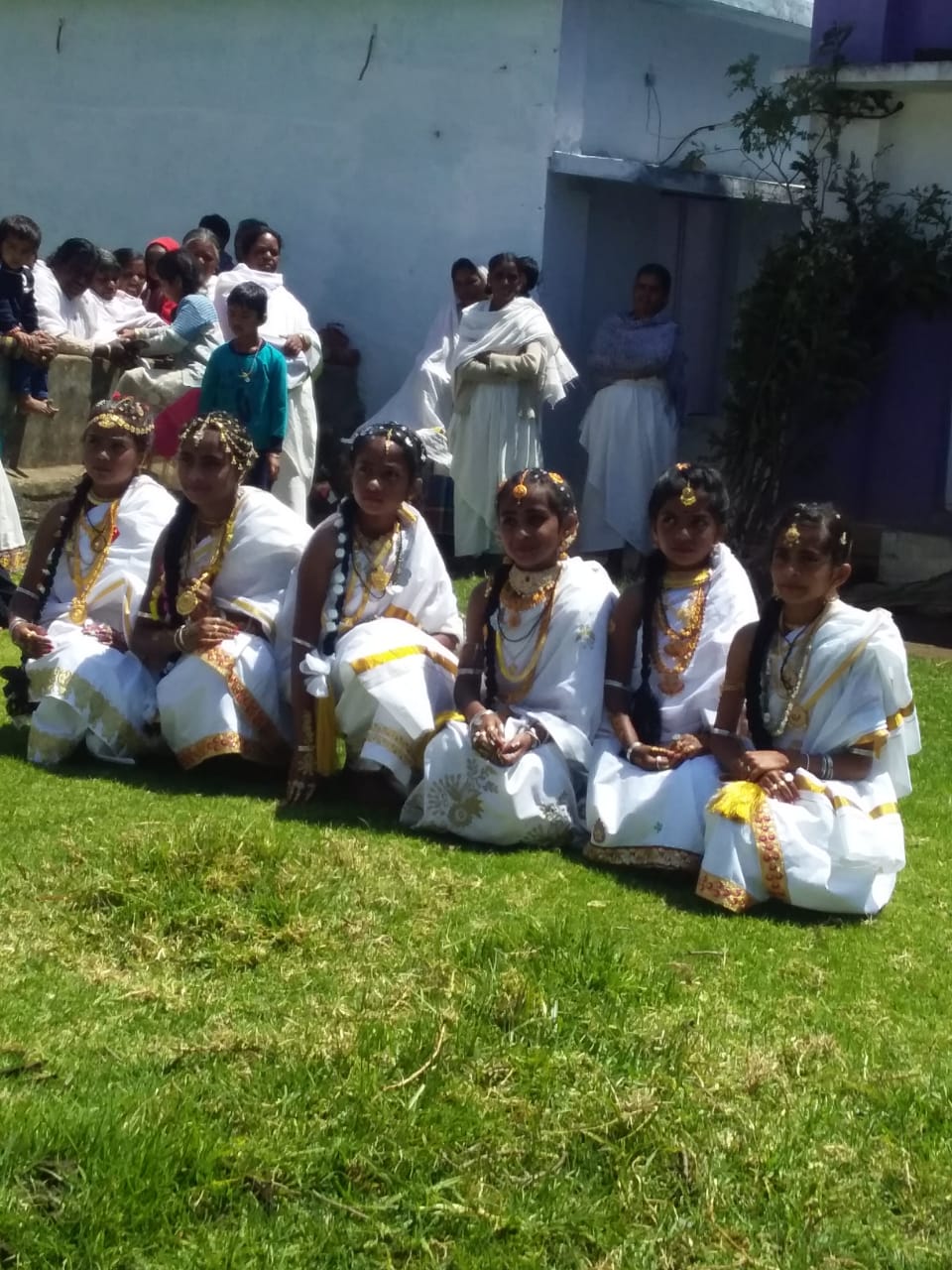
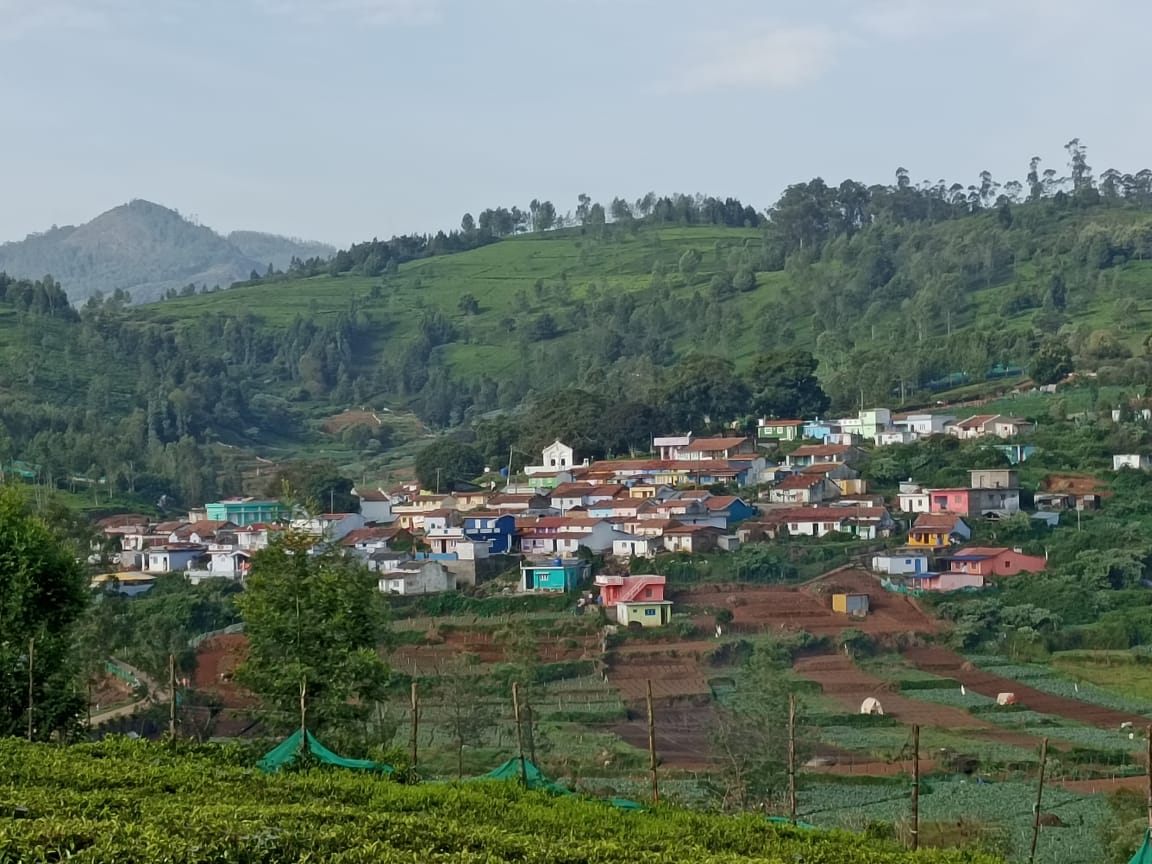
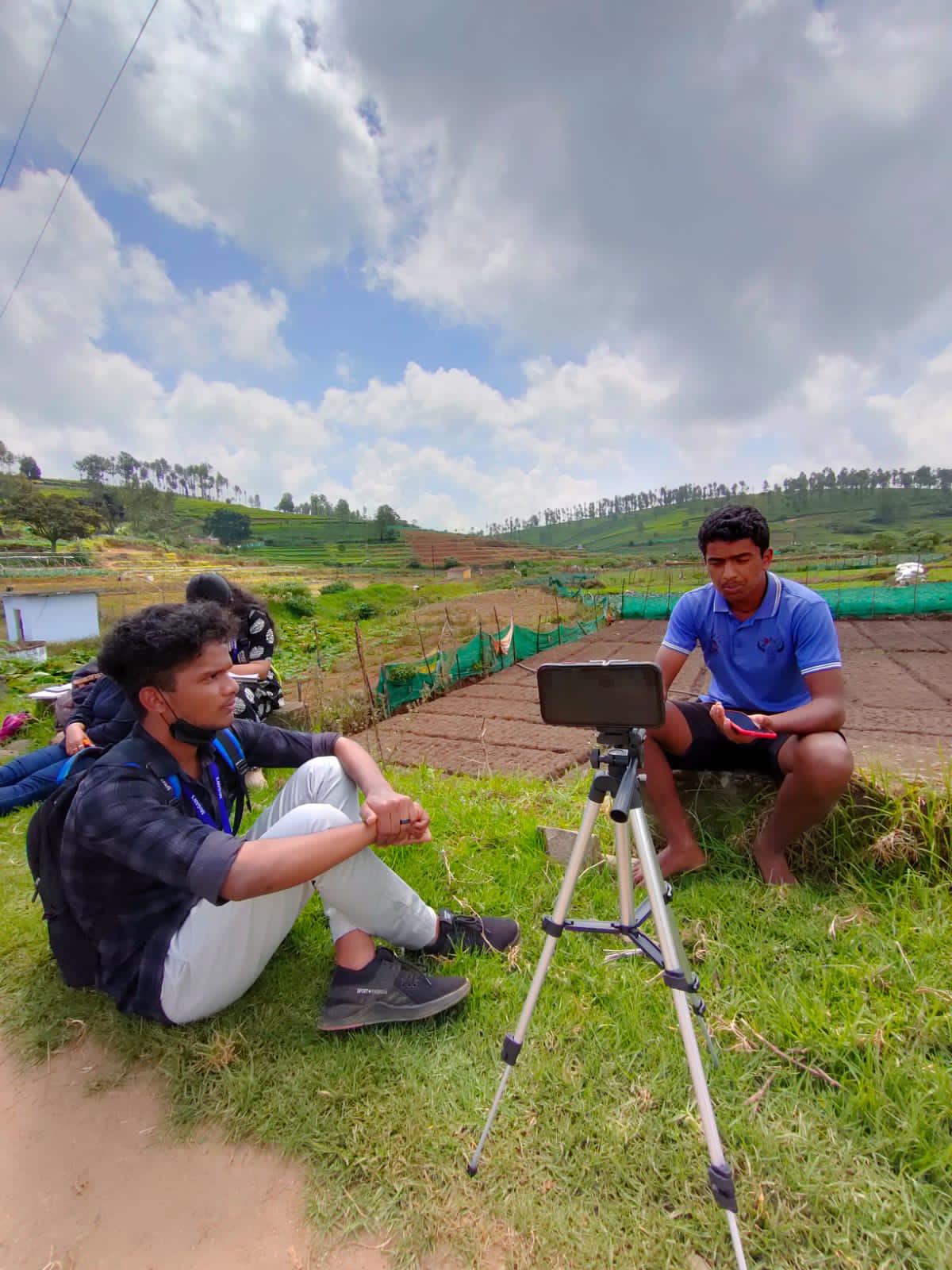
Rural survey was carried out by the student group of 54 members from 18th September to 21st September in a beautiful settlement of a tribal community called “KOTAS”. Read More
The village is situated on the lush green terrain of The Nilgiris belonging to the KAGGUCHI taluk.
Accommodating a population of around 130 households, the village was a fruit basket of unbelievable stories and customs.
The people of Thiruchikadi village gave an overwhelming response for the students and were very much interested in elocution of the stories about their tradition and lifestyle.
People of the village were mostly scattered in terms of occupation.
There were Potters, Blacksmith, Farmers & Govt. Employees.
The students were not only able to witness the pottery exhibits but also had their hands-on experience with the making of pots during their first day of the survey.
Interacting with new people, Learning their traditional dressing, lifestyle and observing the typology of the residential spaces, has greatly benefitted the students to observe and understand the character of a community settlement.
The student groups were assigned to study the settlement pattern along with its evolution, characteristics and many such parameters and were guided by the faculties who accompanied them throughout the survey.
The entire village survey was a refreshing studio exercise carried out off campus held with proper protocols on account of the pandemic.
CONSCIENTIA 2021
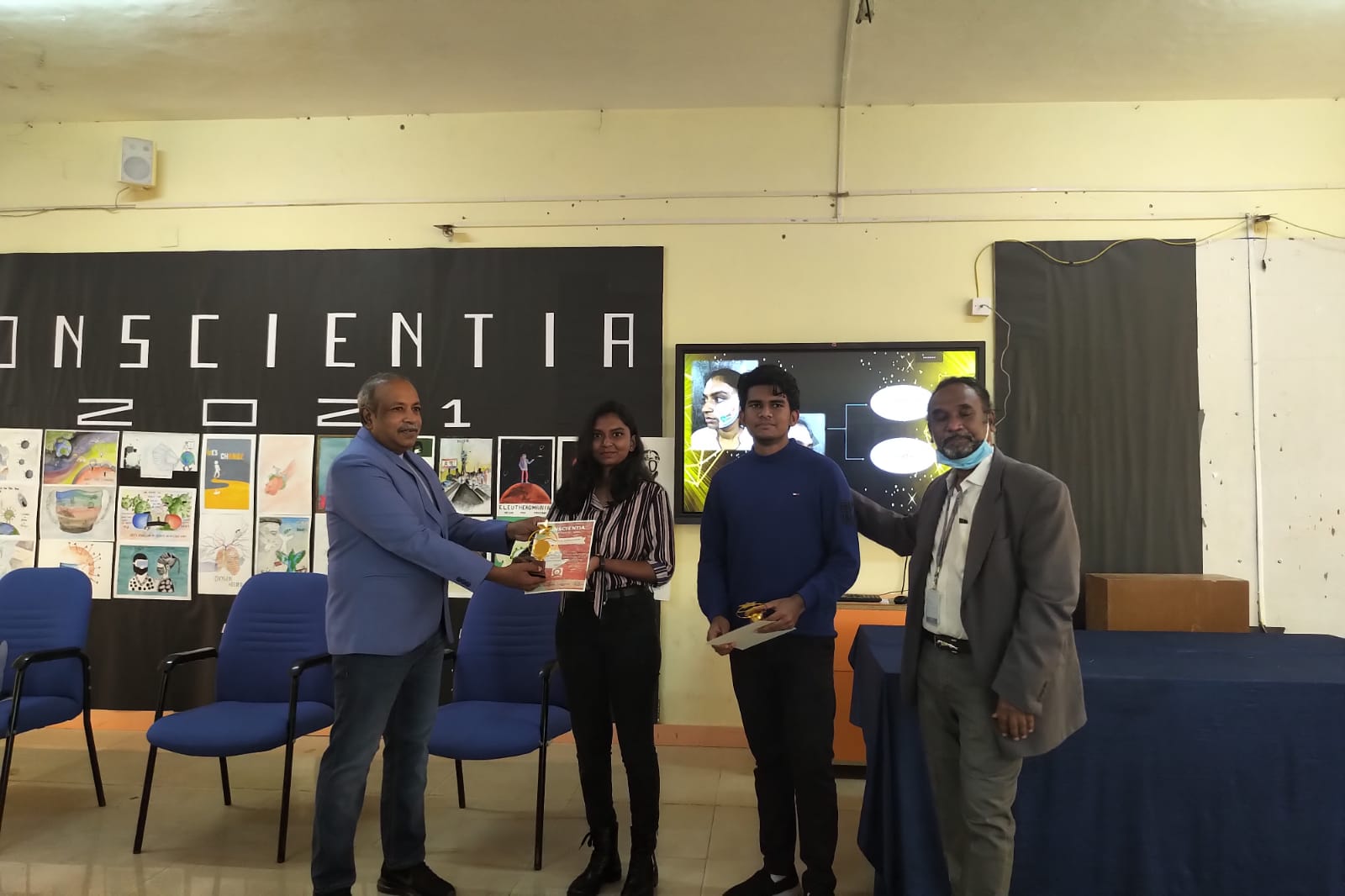
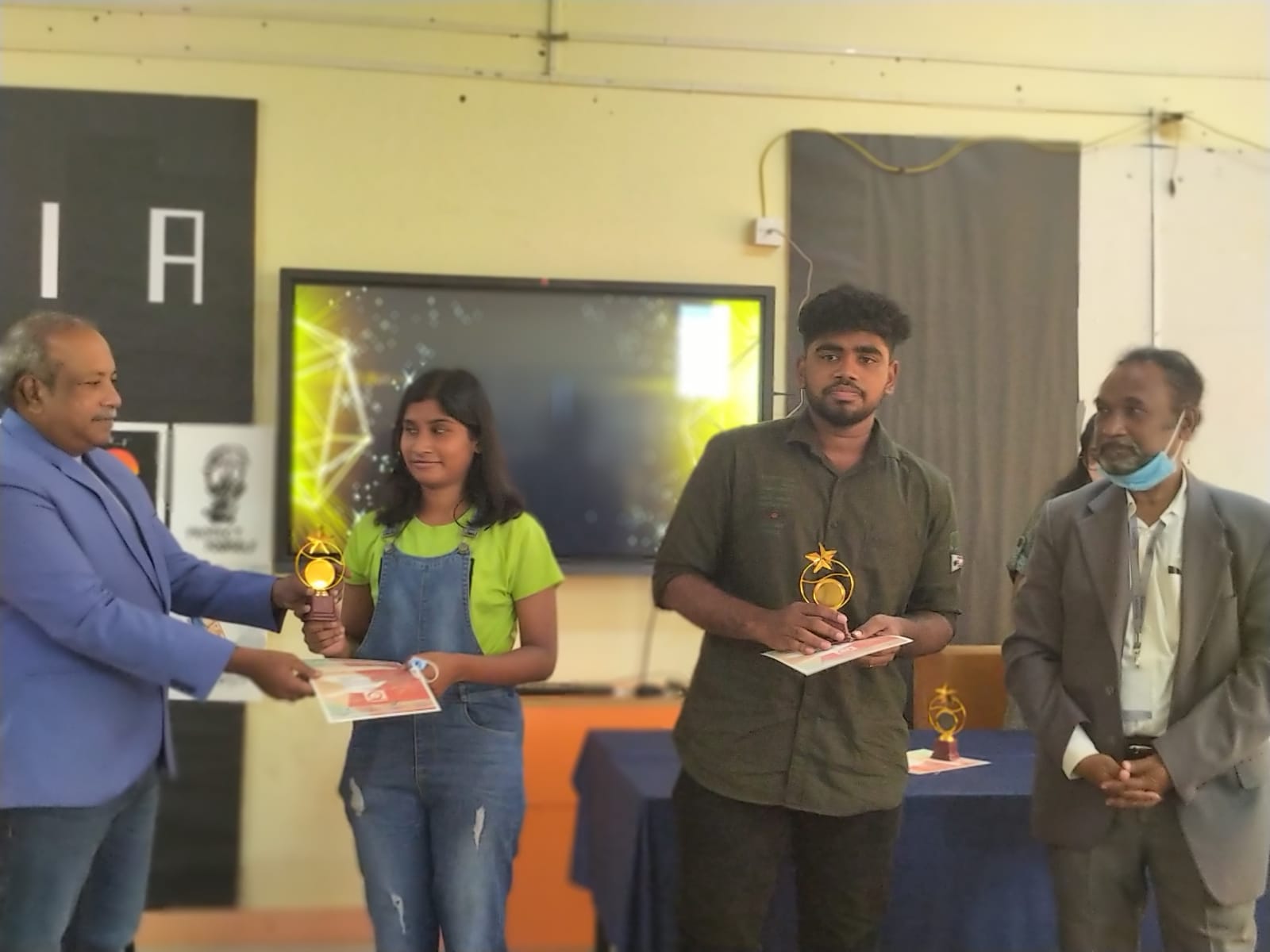
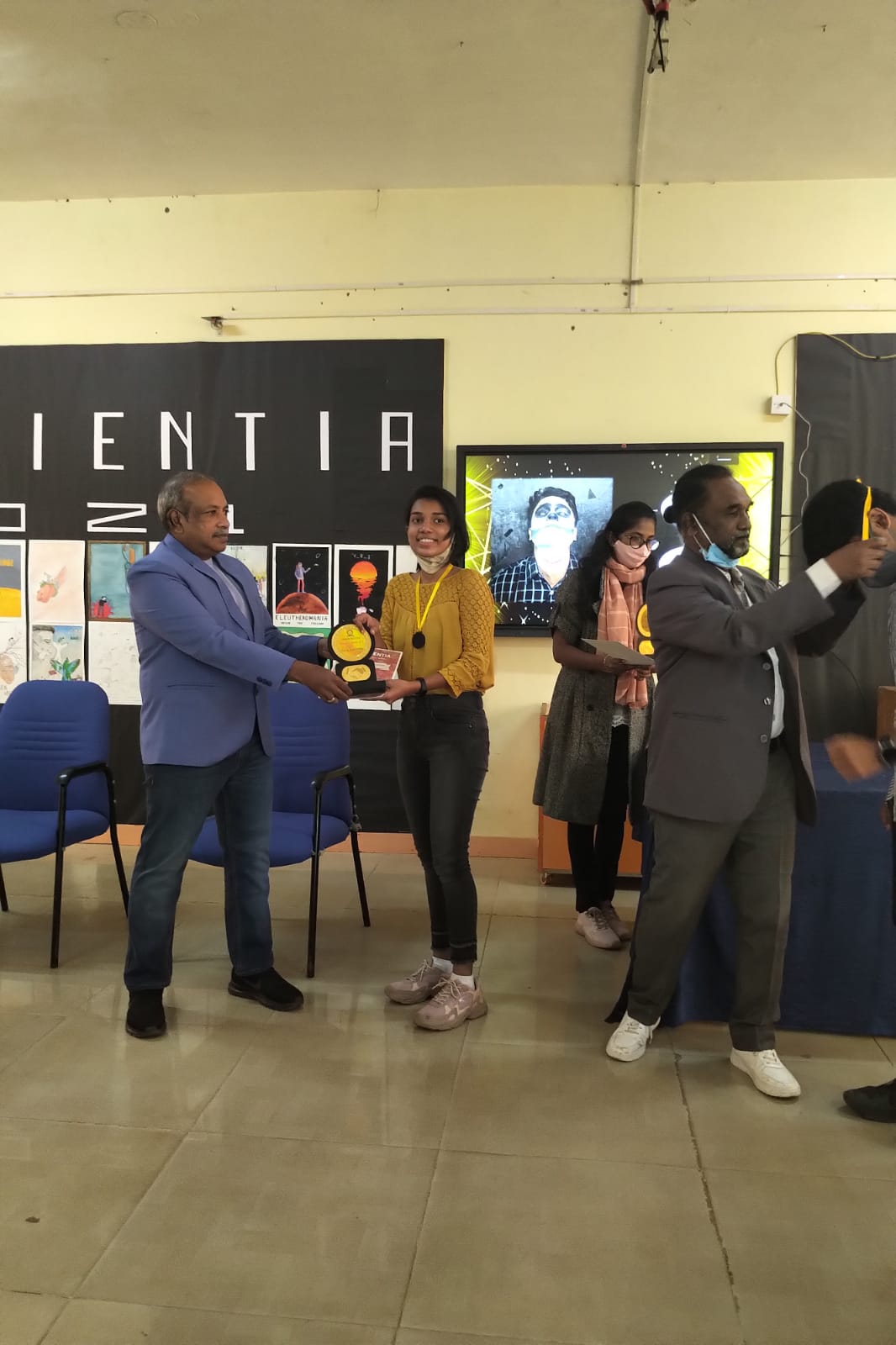
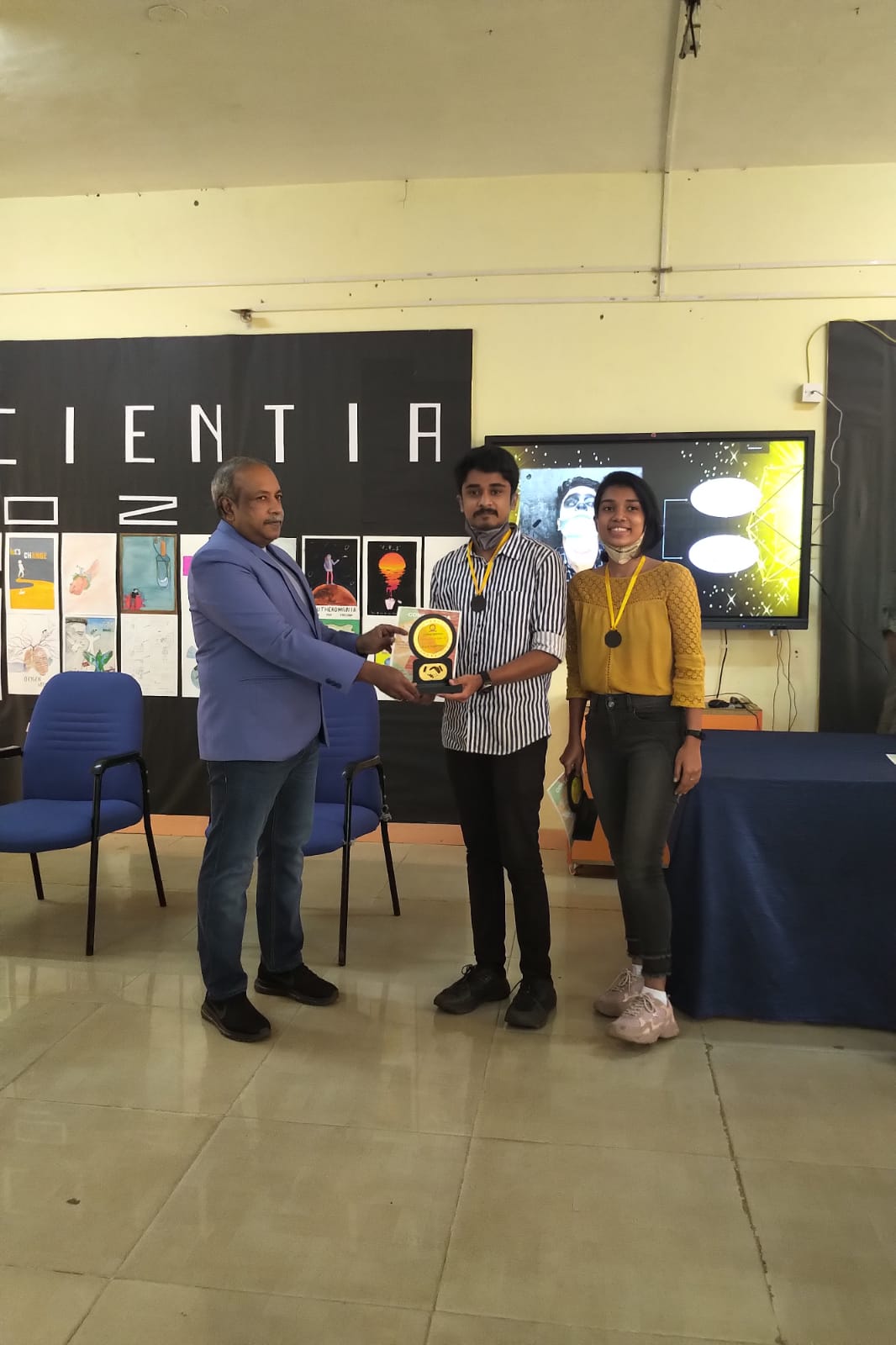
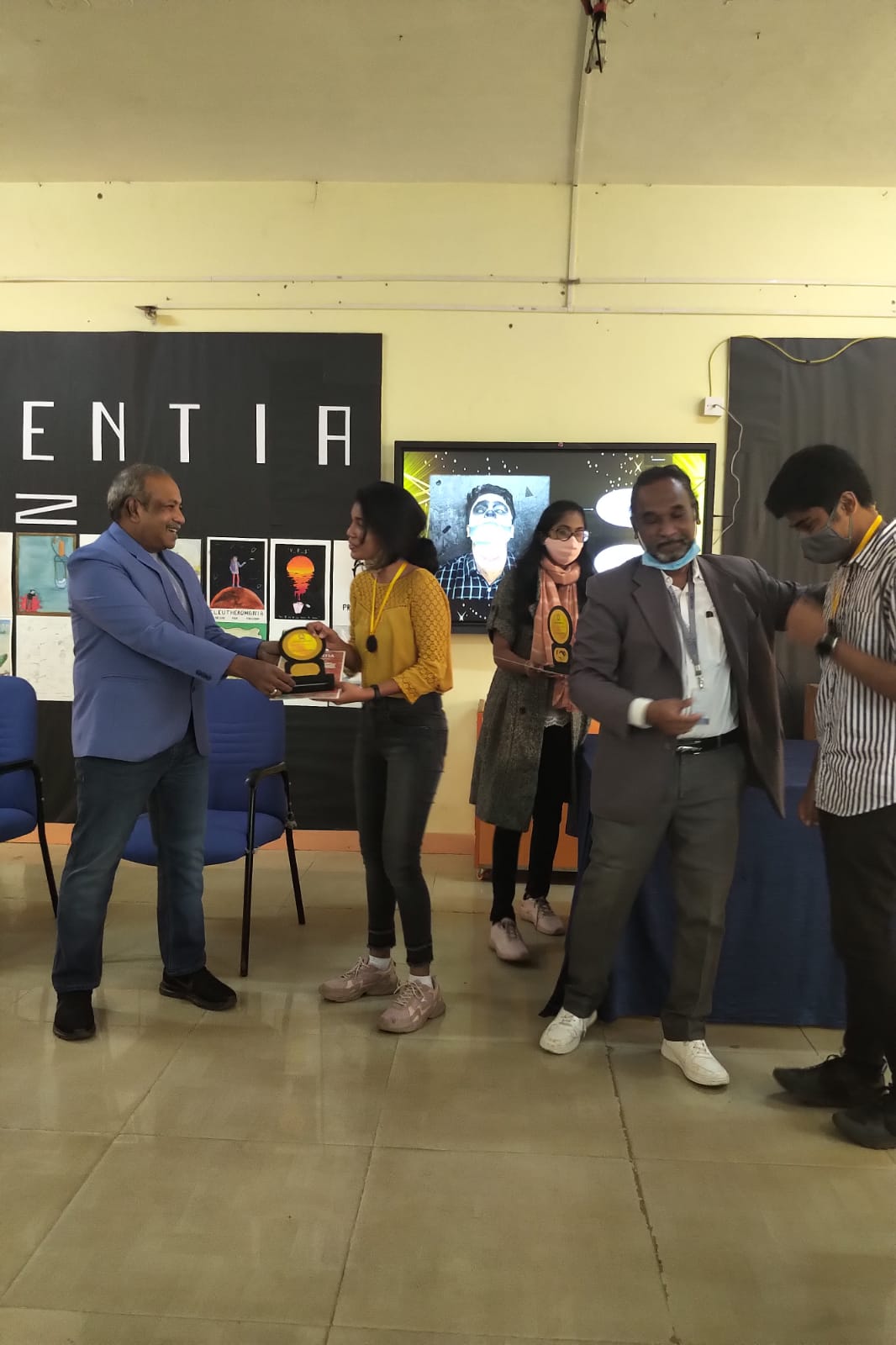
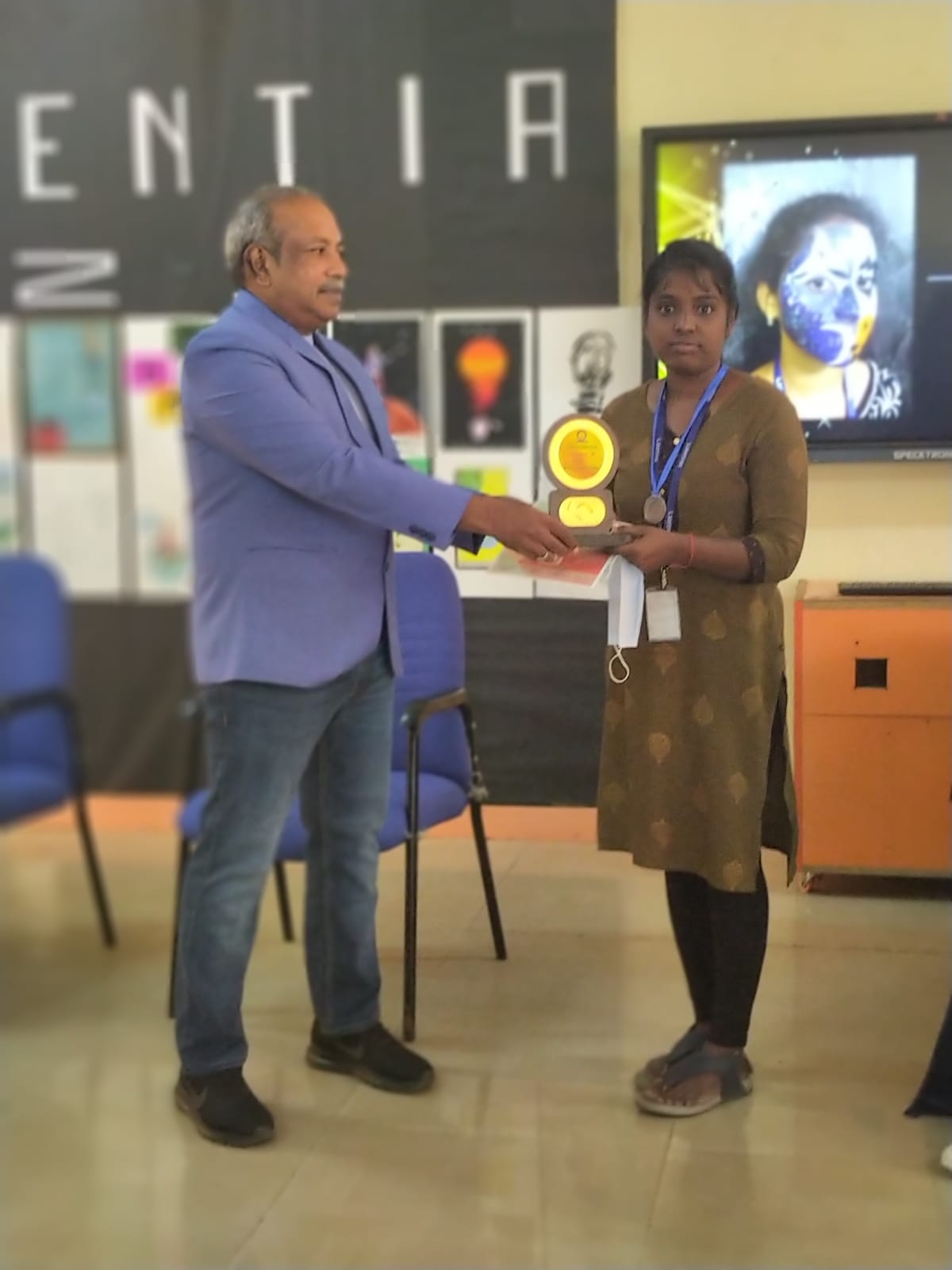
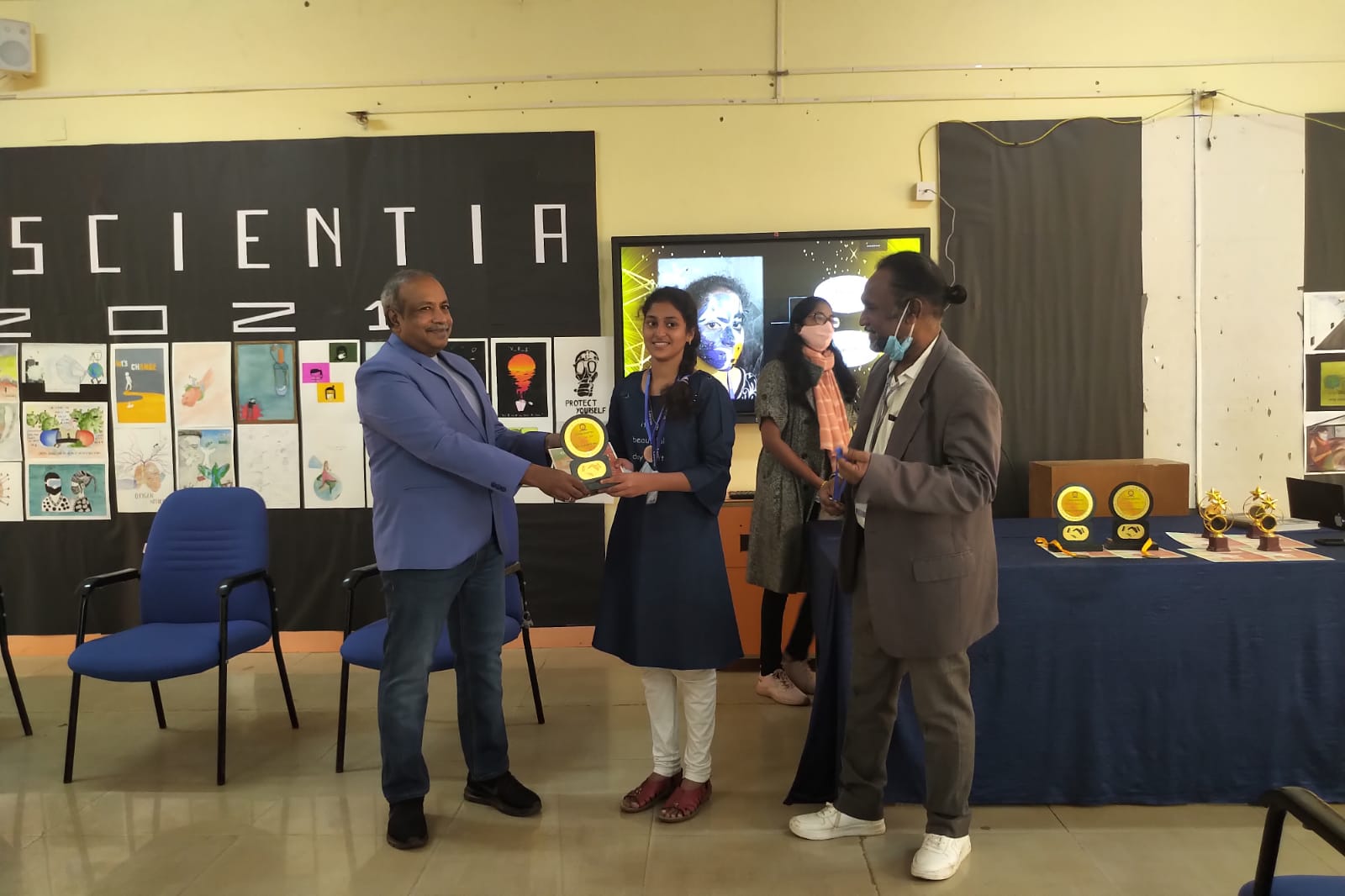
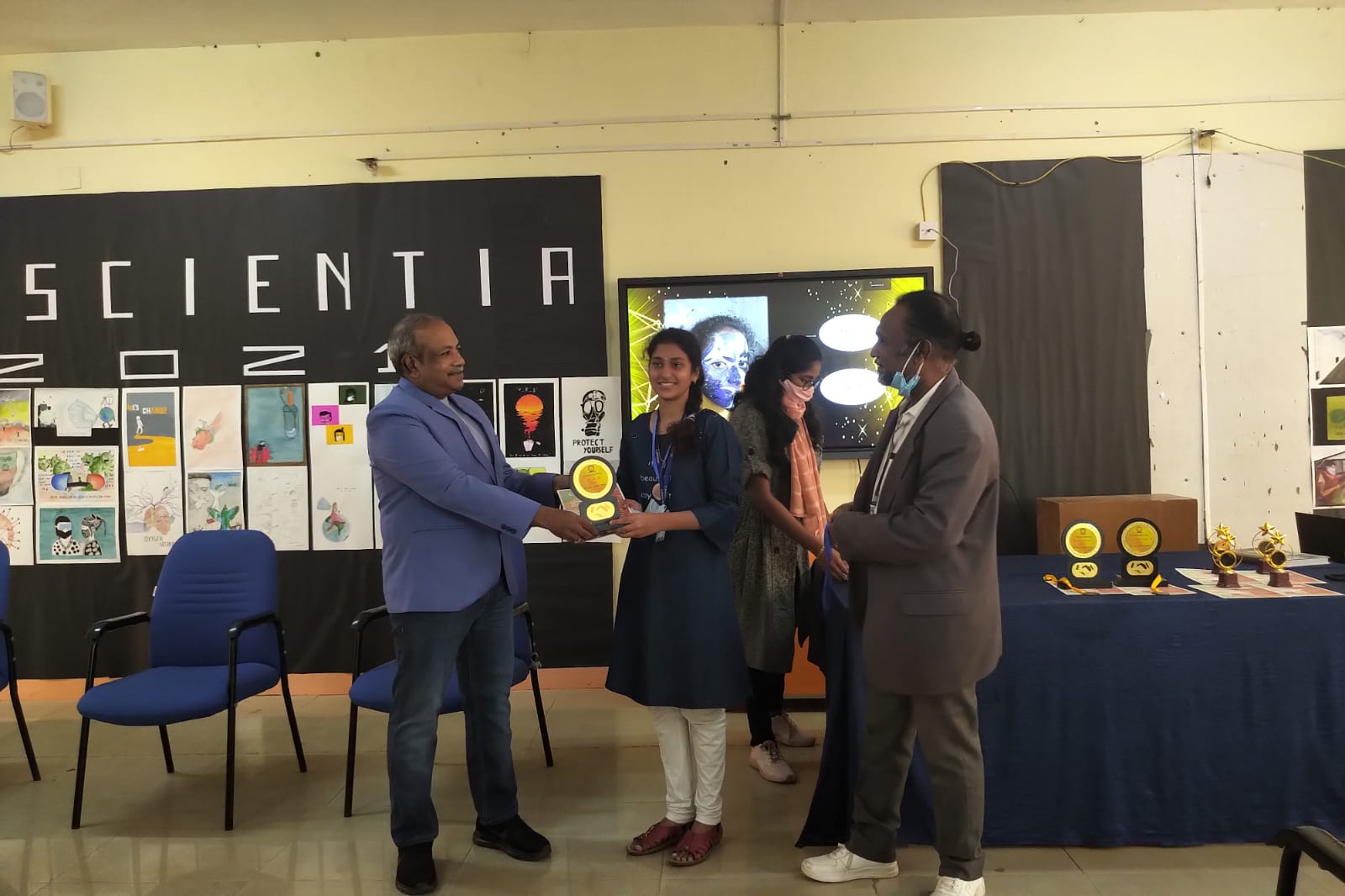
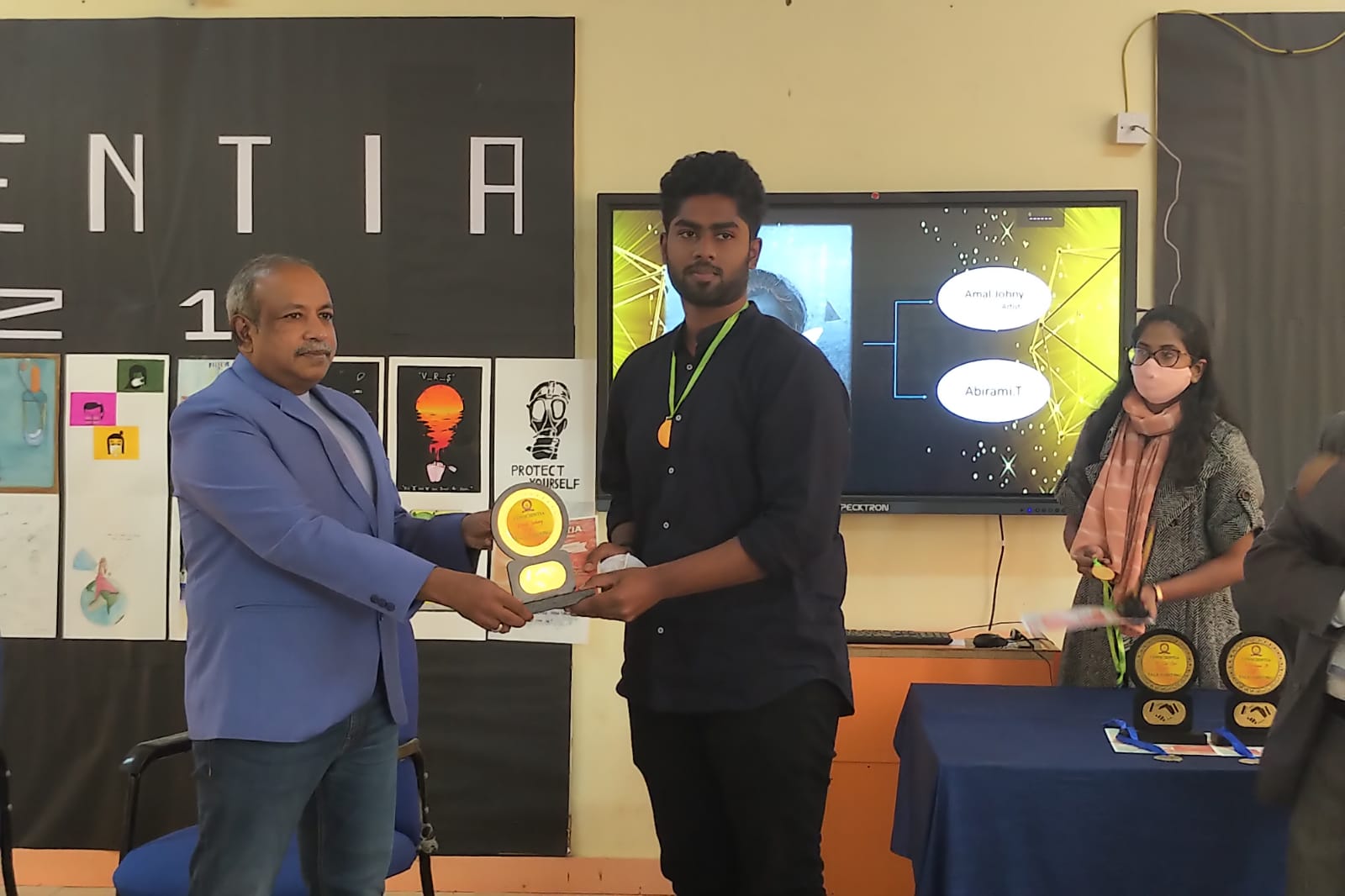
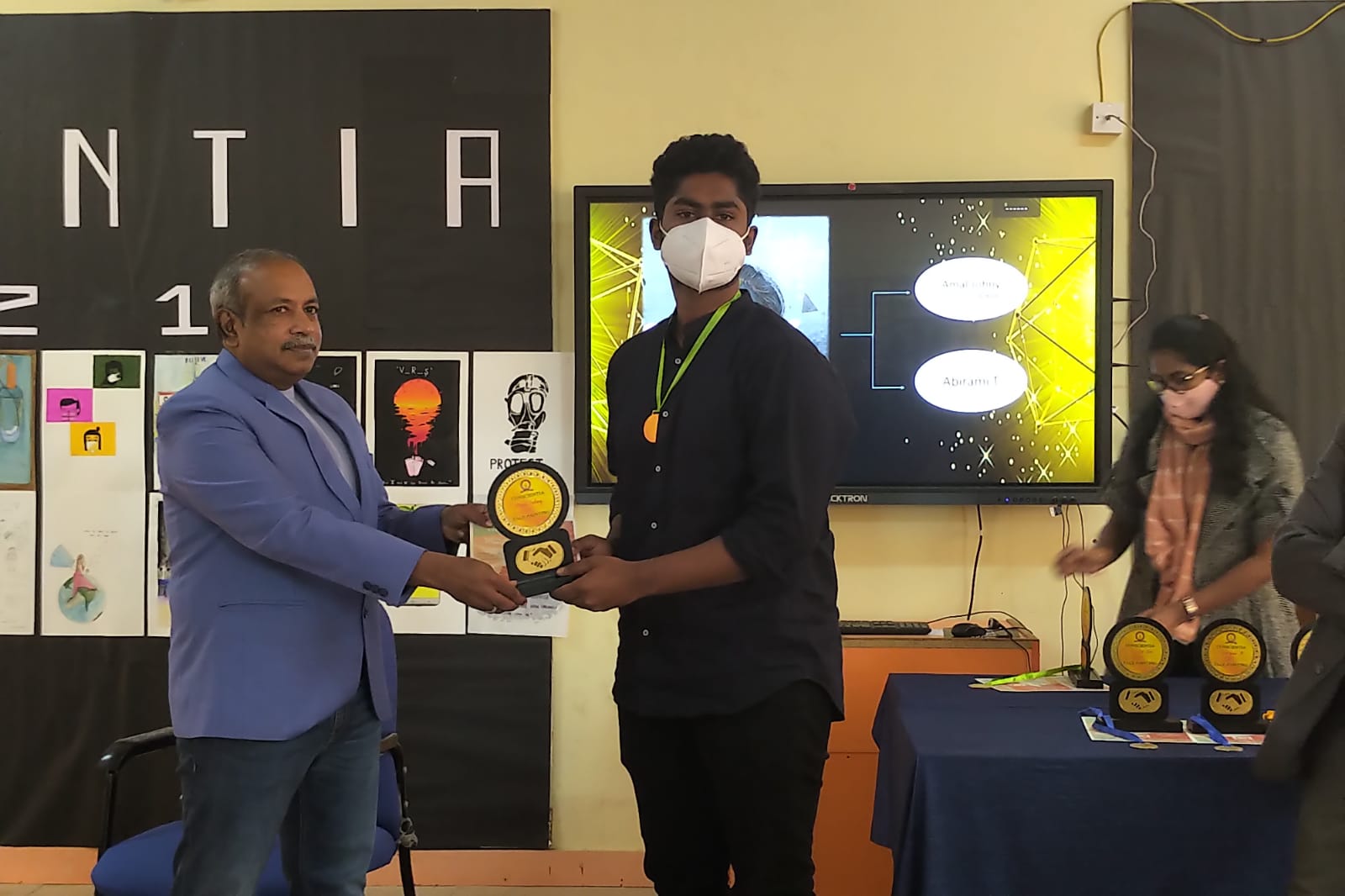
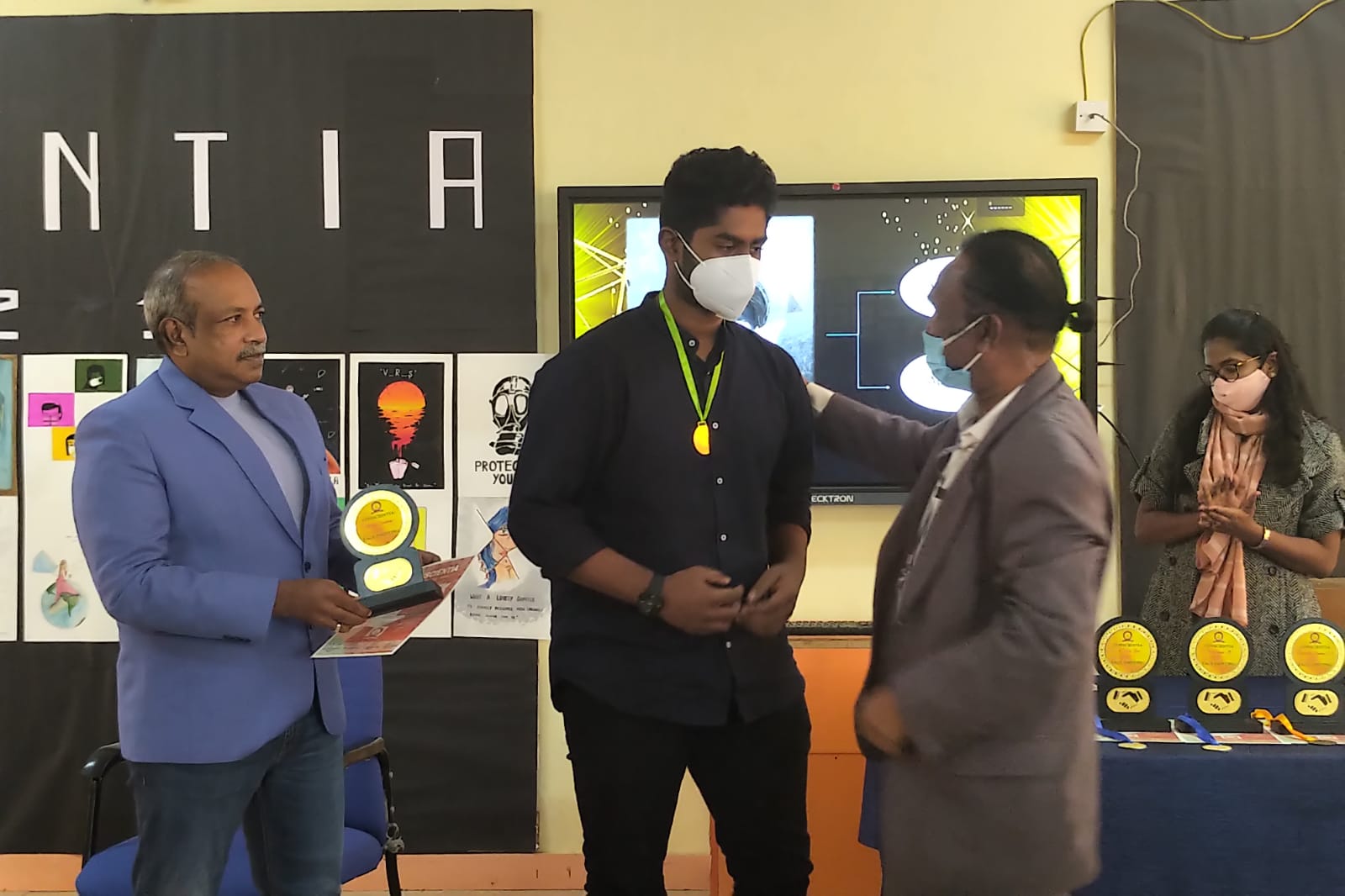
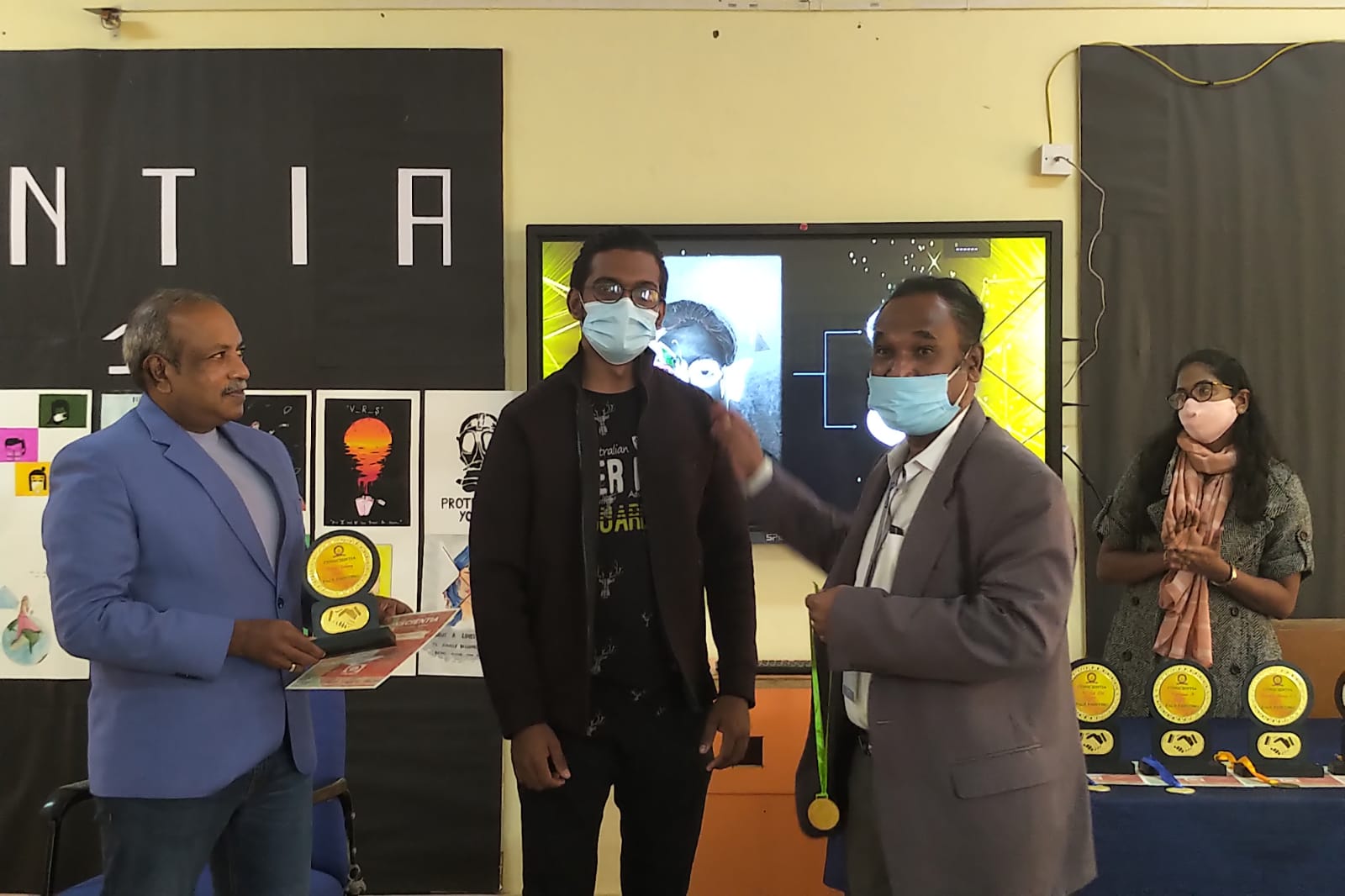
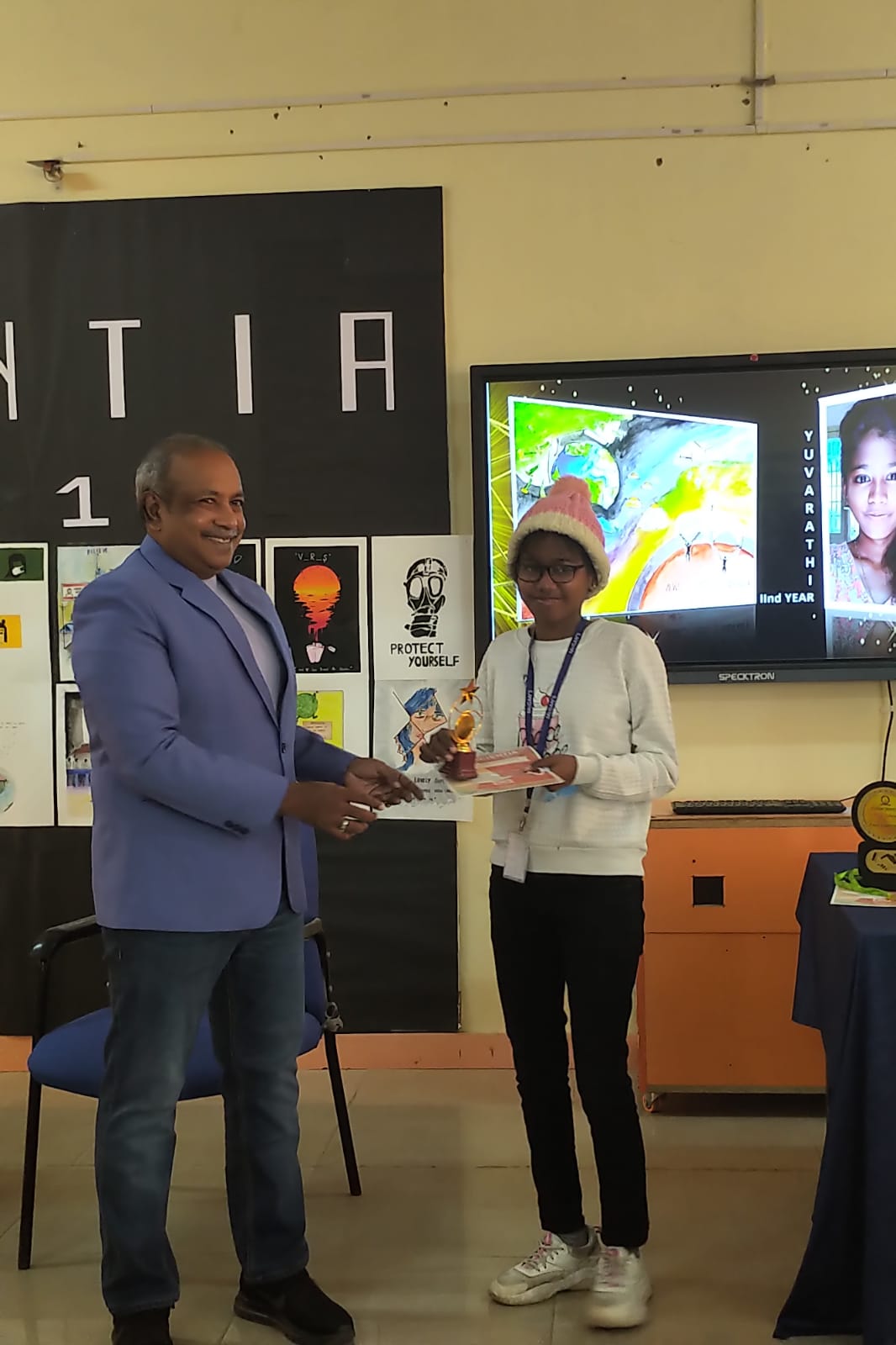
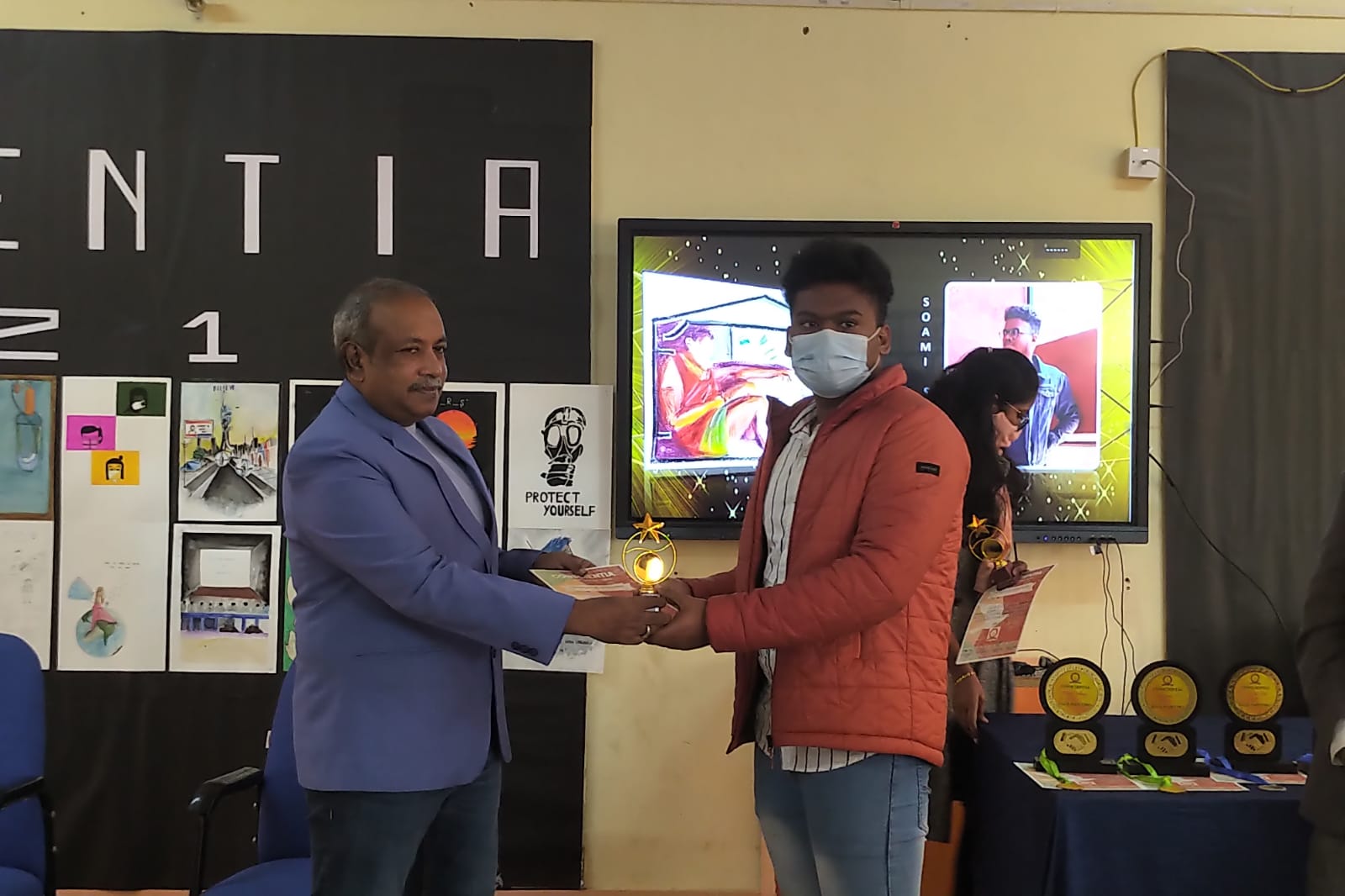
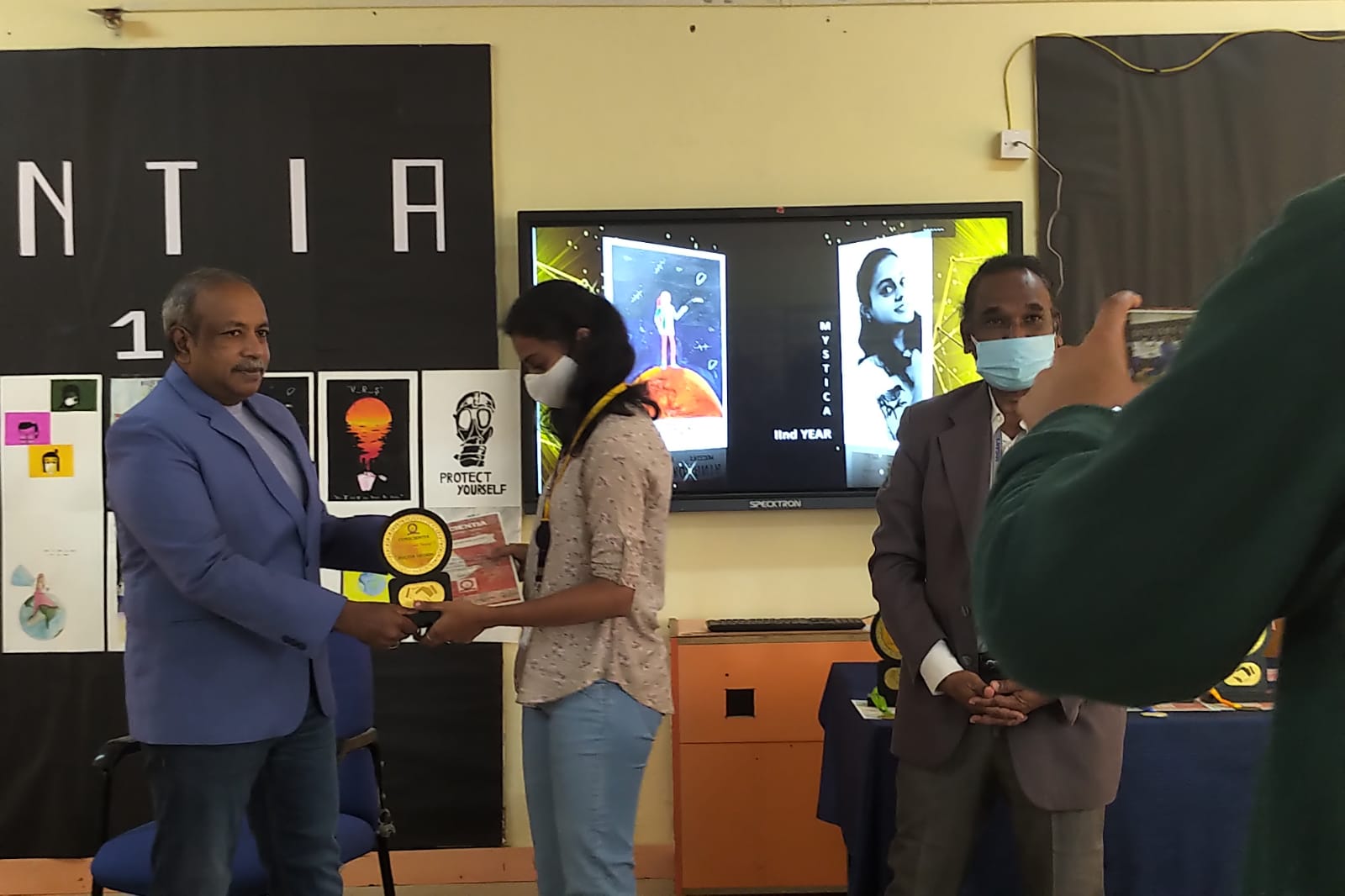
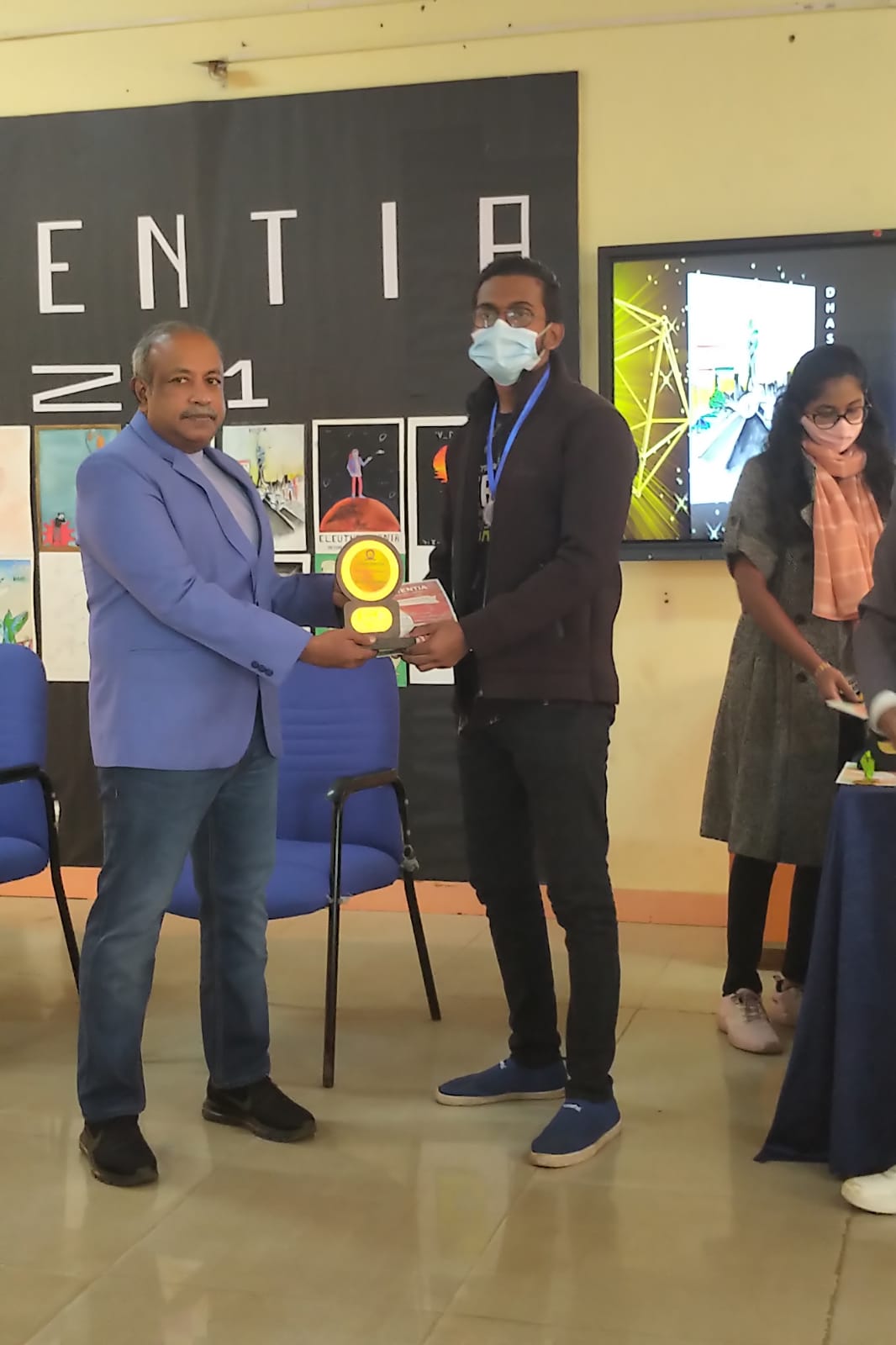
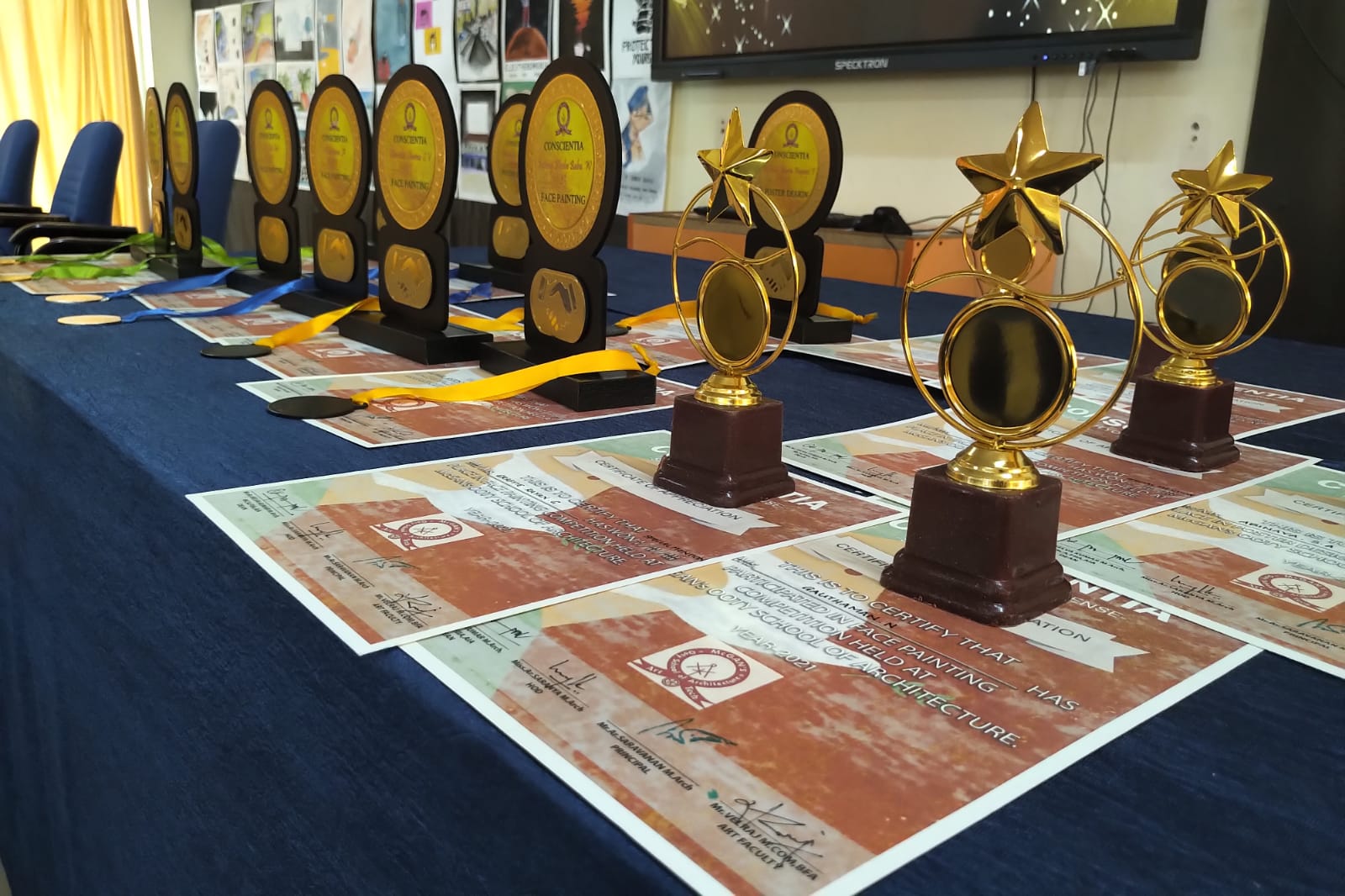
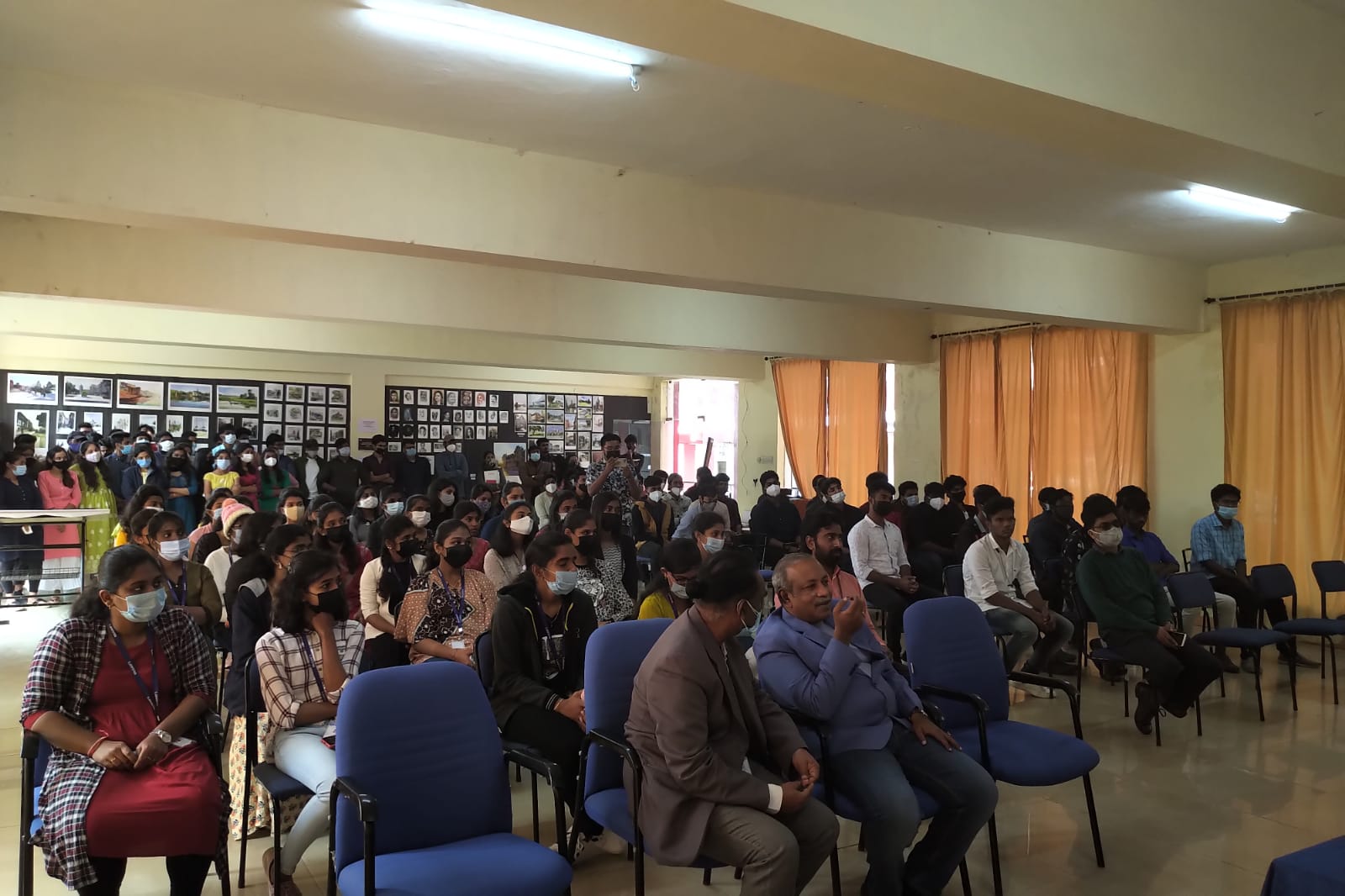
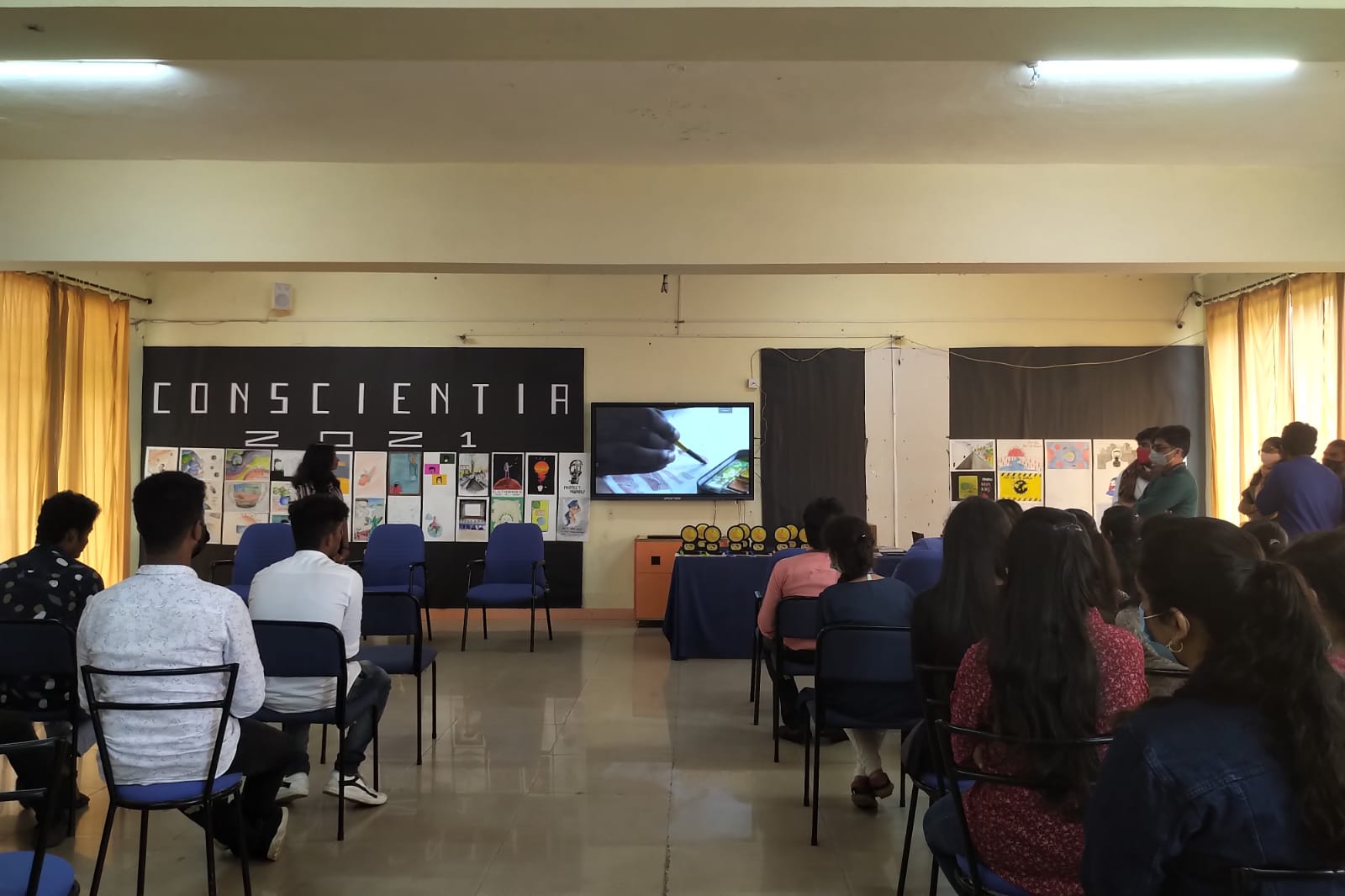
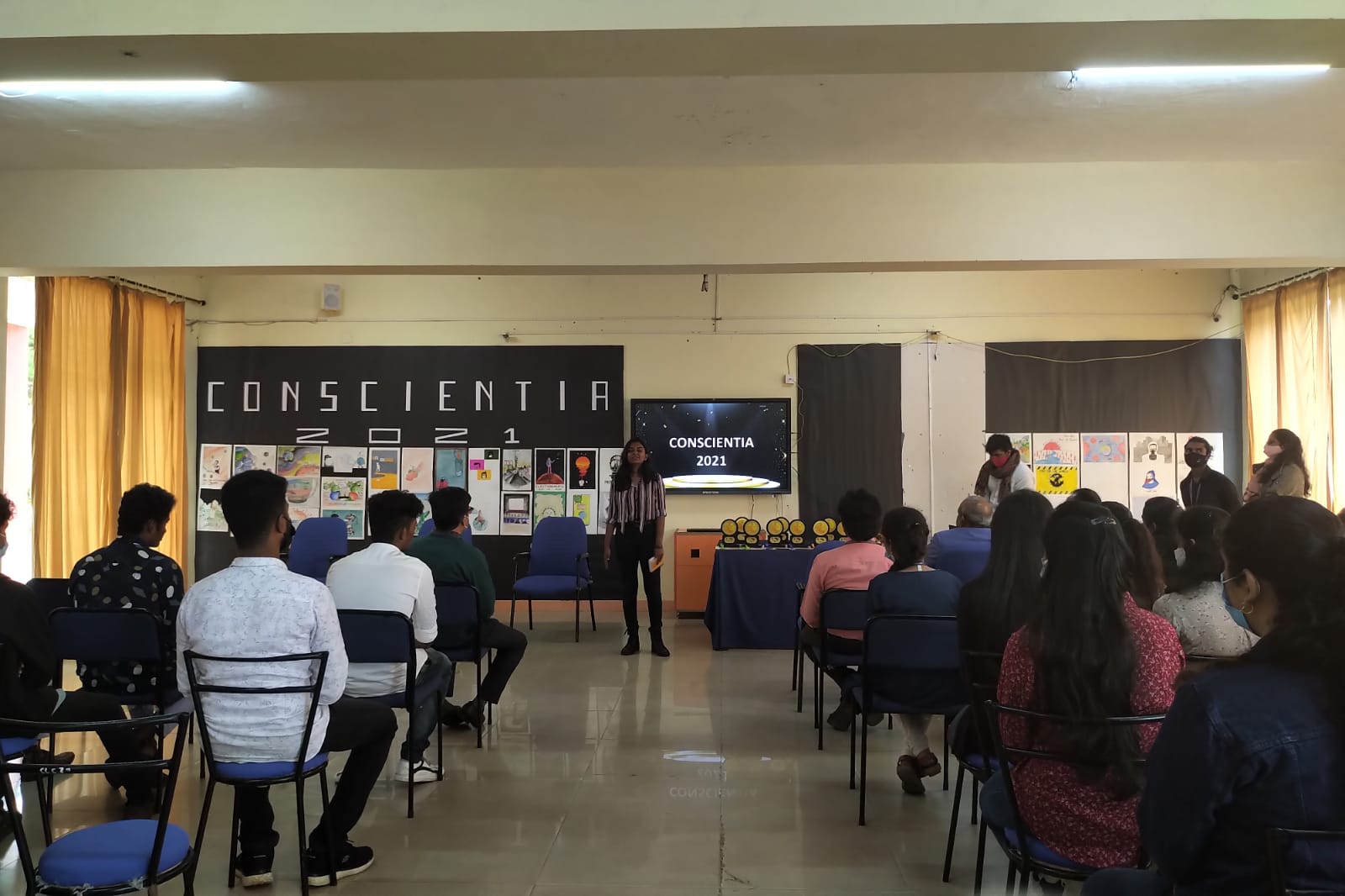
POSTER DESIGN AND FACE PAINTING COMPETITION ON THE THEME : IMPACT OF COVID IF IT EXISTED FOR TWENTY YEARS FROM NOW. Read More
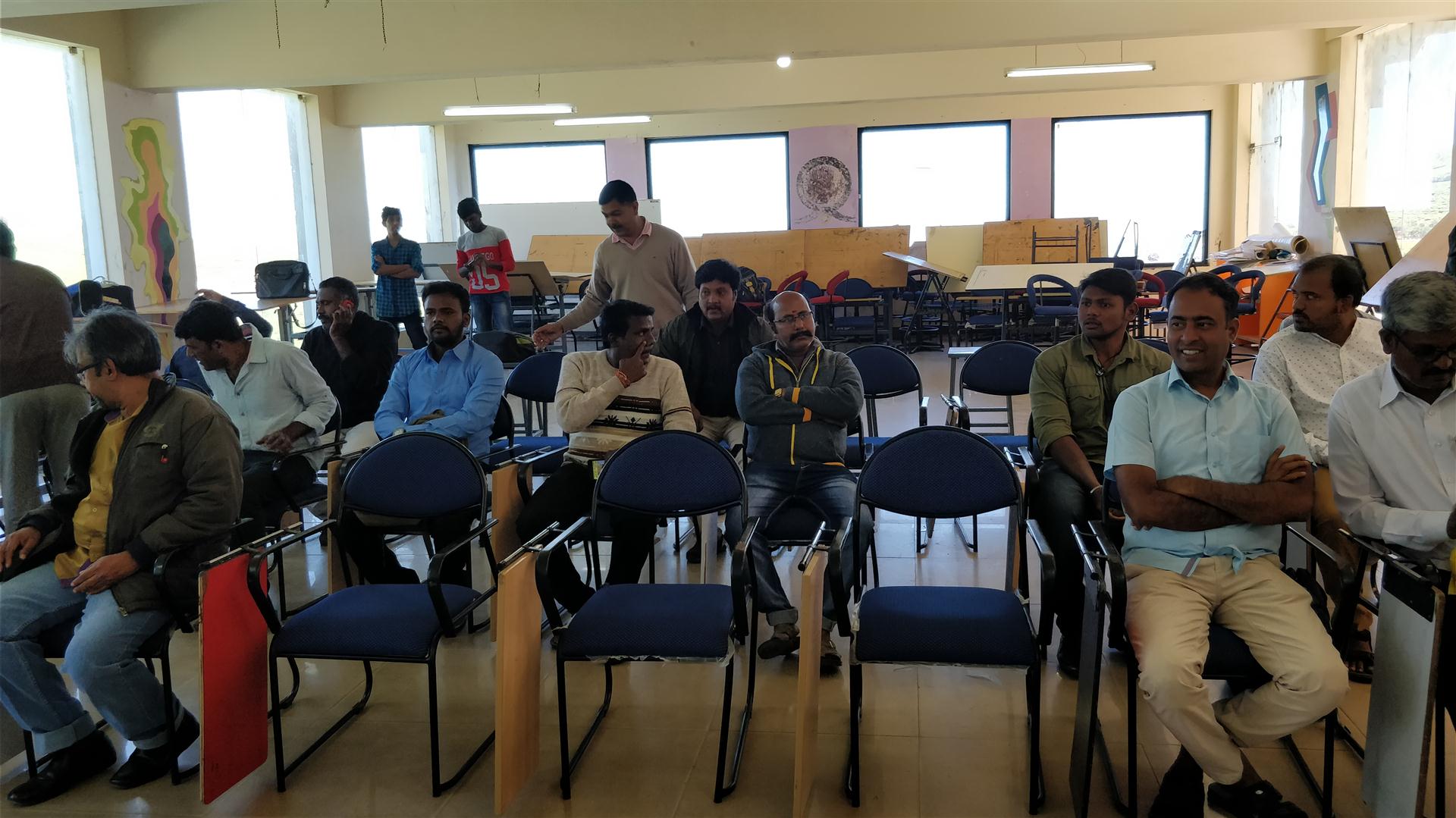
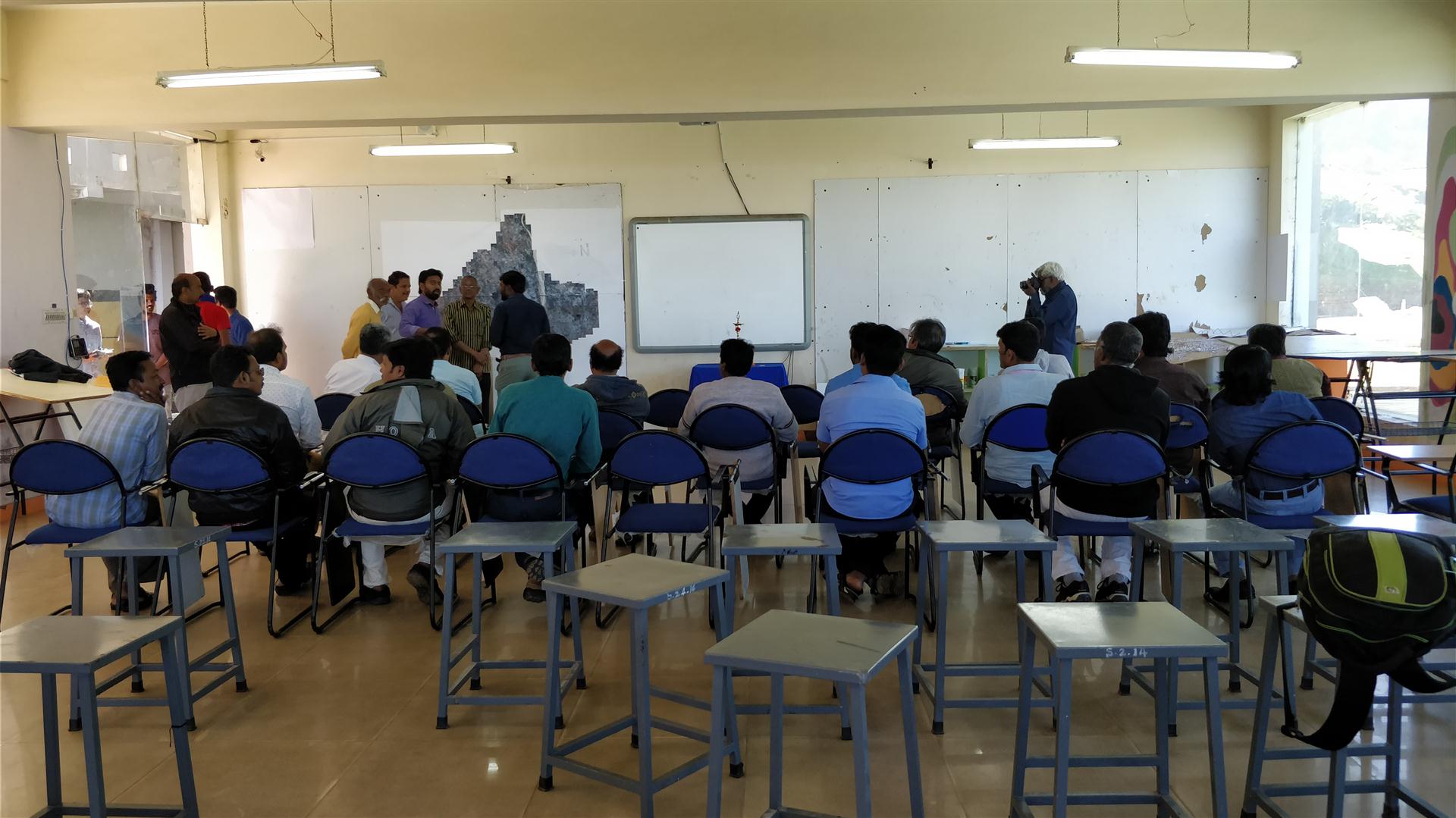
The Art Event was conducted on a rainy noon (8.10.2021) with more than 50 students participating in both poster design and face painting competition. The aim was to create CONSCIENTIA (meaning Awareness in latin) if a pandemic like covid existed for a longer period in the future.
We gave another on the spot theme ‘HALLOWEEN’ for the face painting competition.
Students came up with creative posters in a variety of mediums!
The winners were awarded with medals and shields along with participation certificates for all the participants.
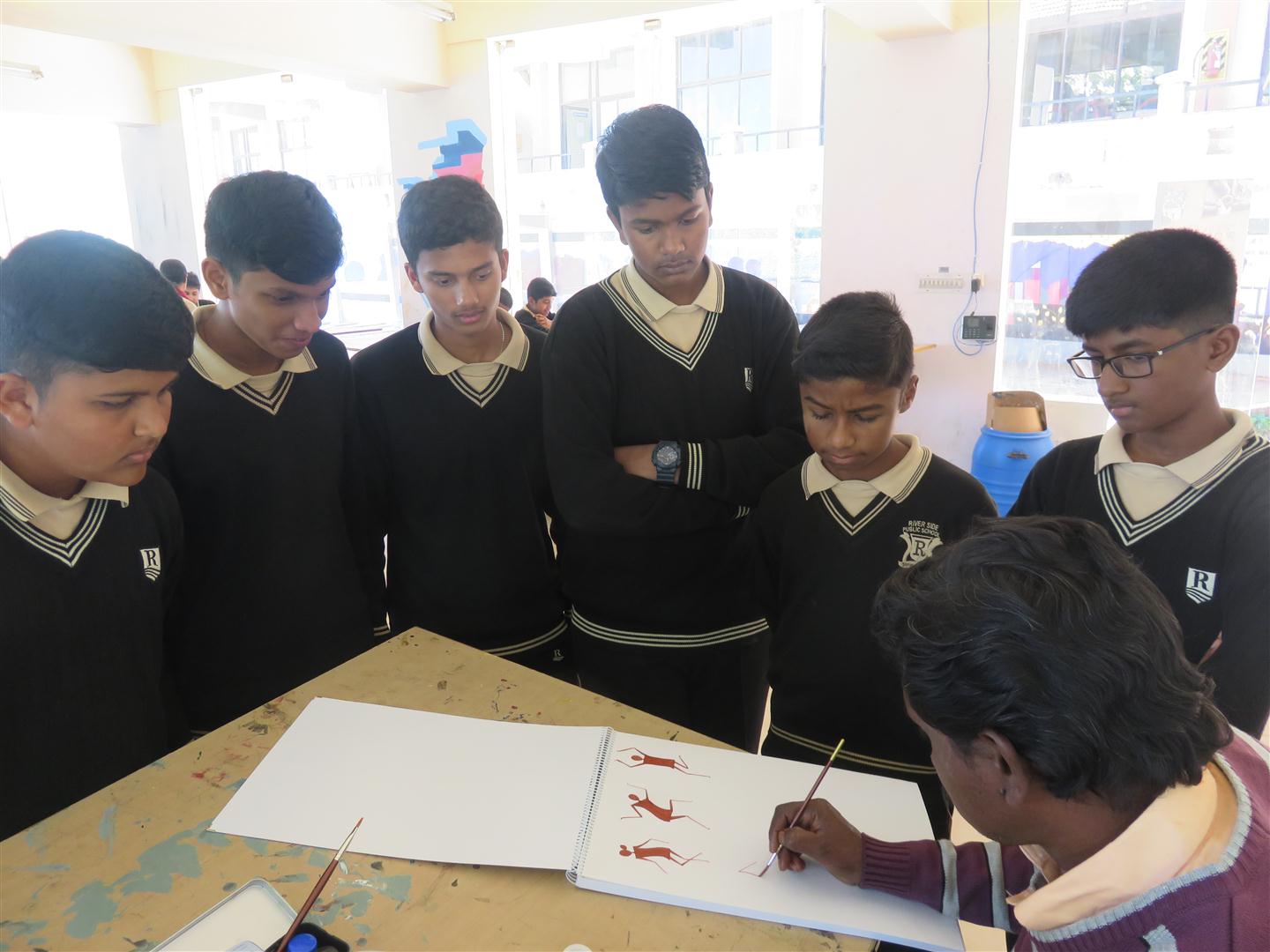
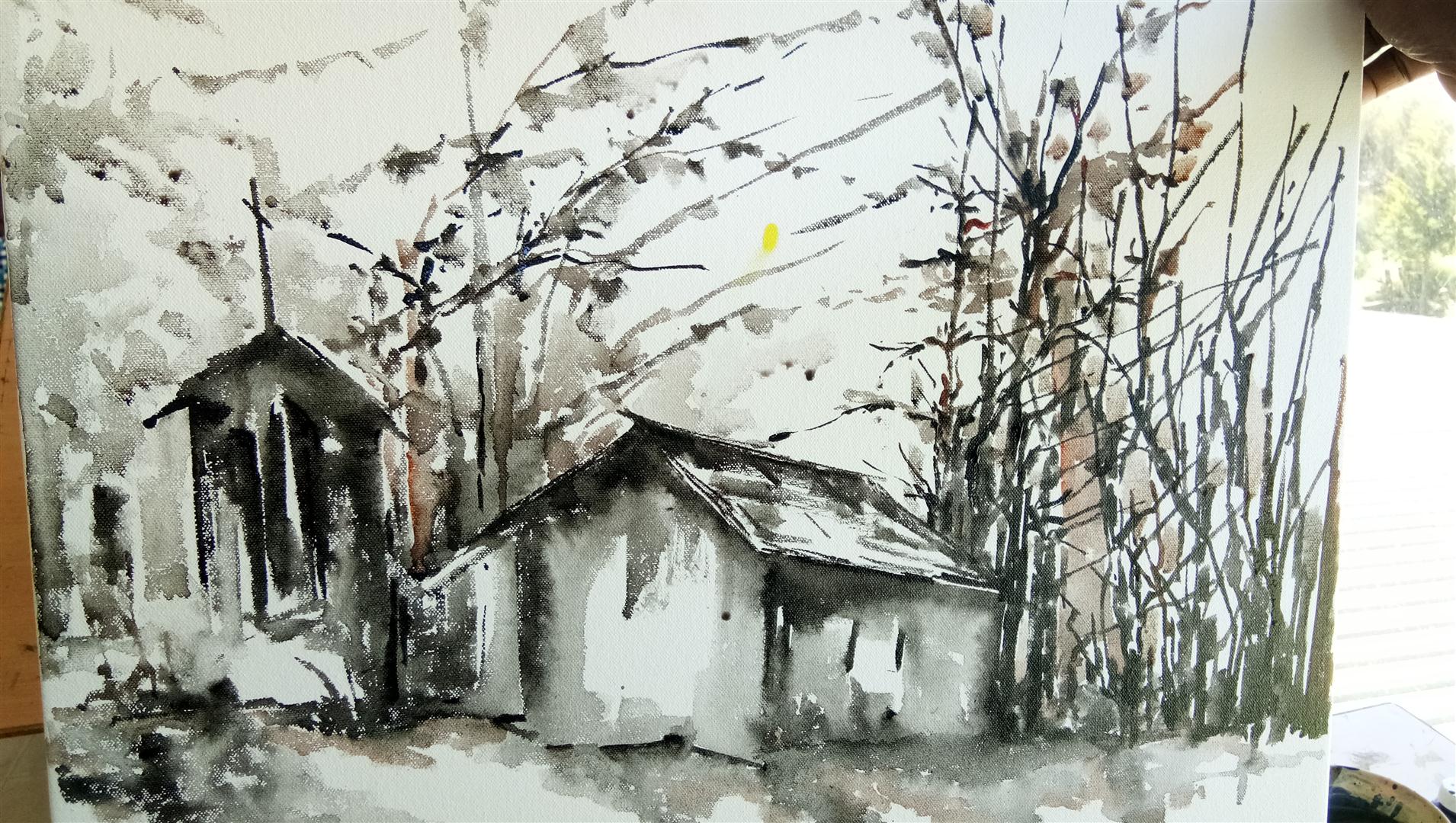
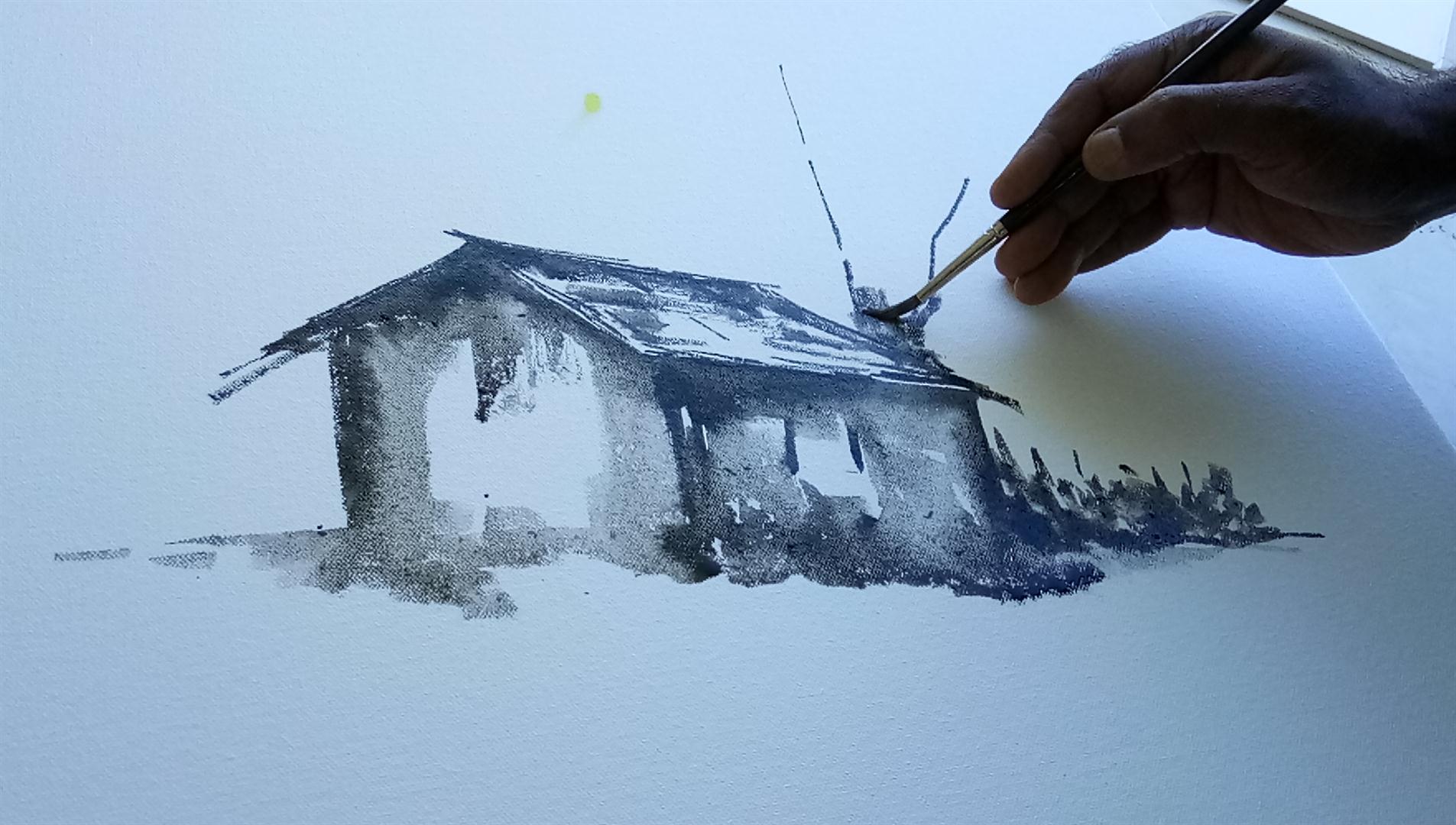
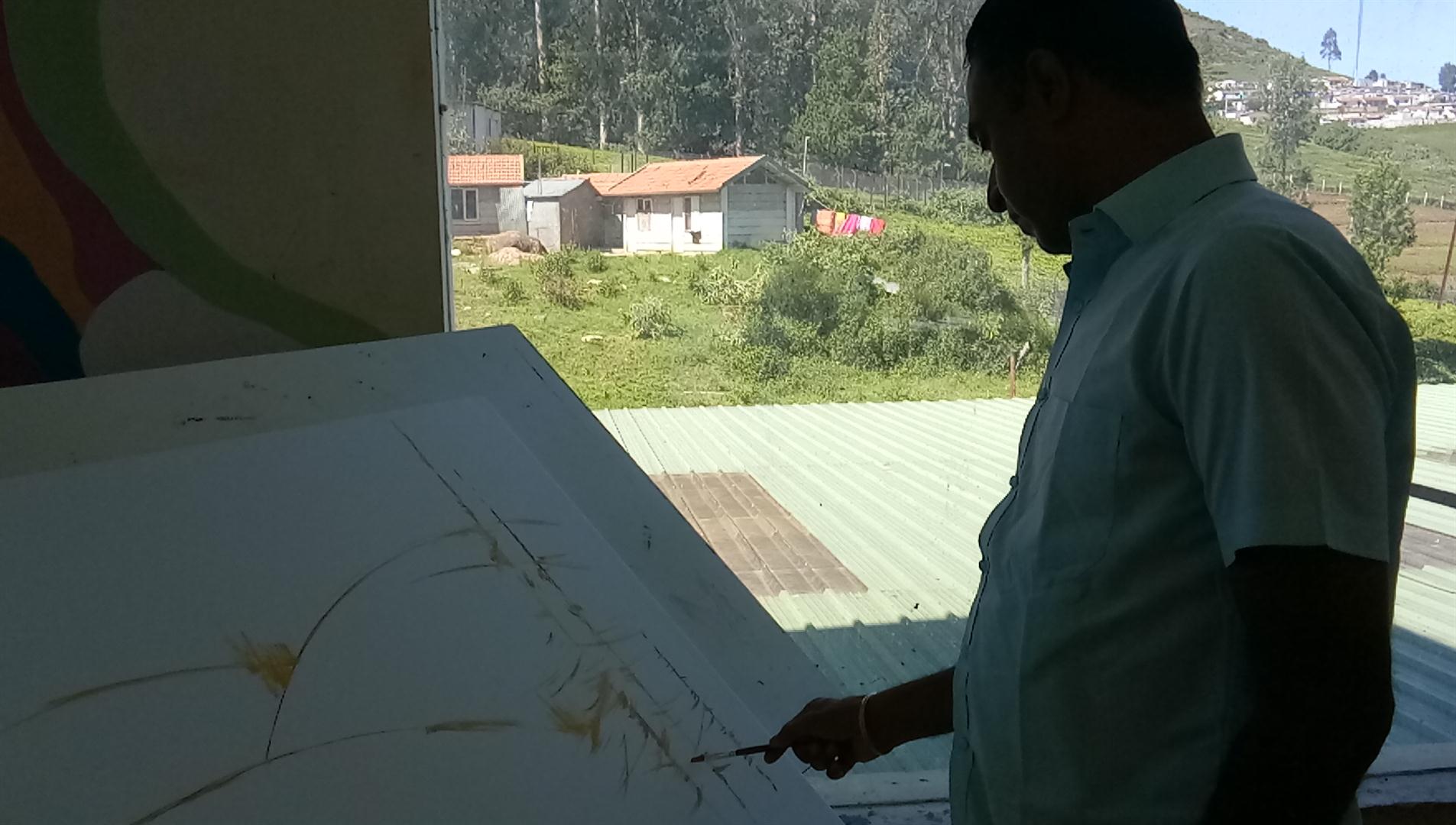
On the day of prize distribution, a watercolor demo was given by @artist_velraj
All the posters were exhibited.
Village Survey July 2019
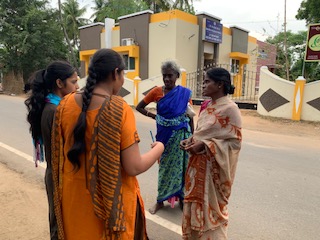
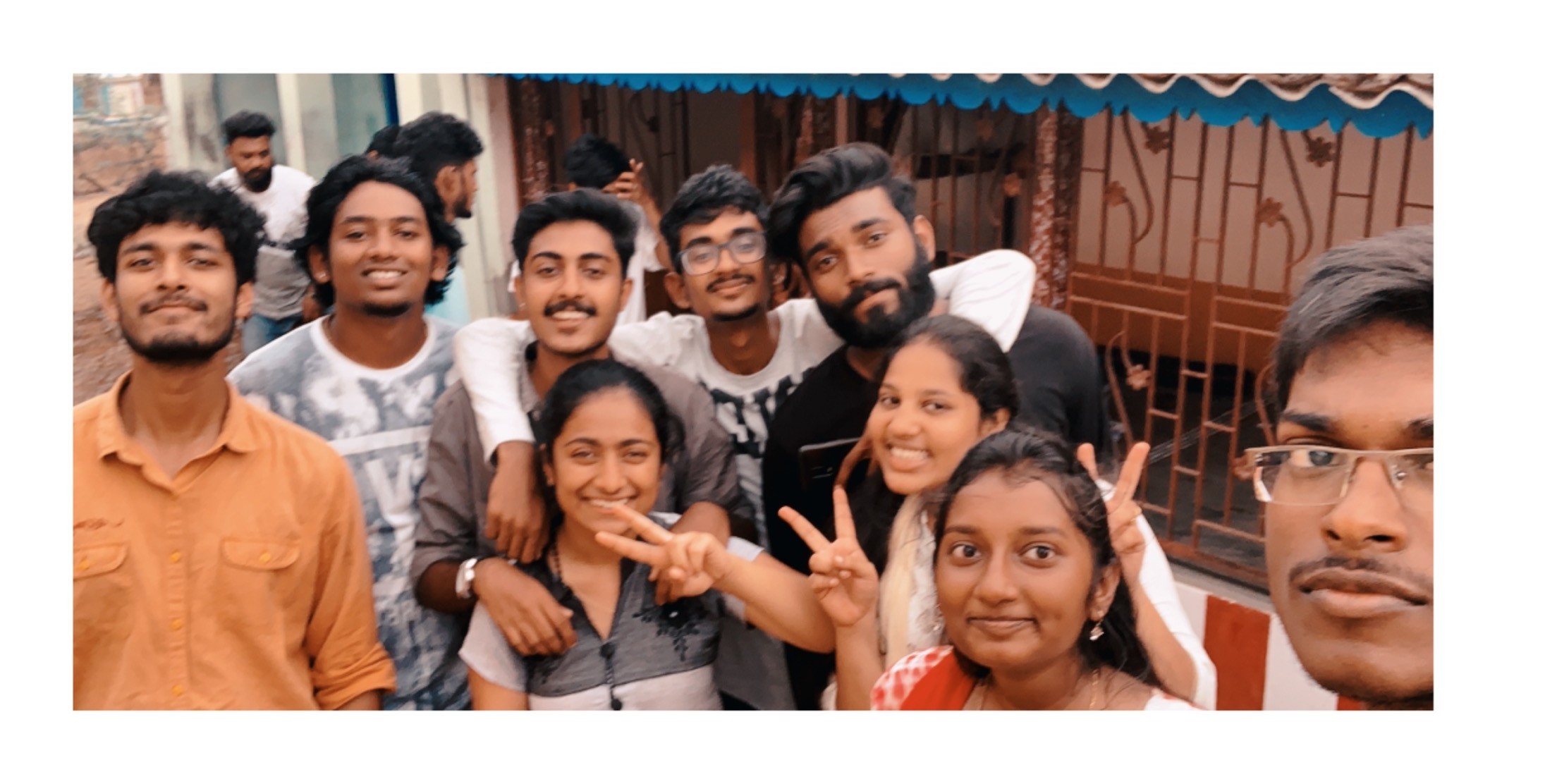
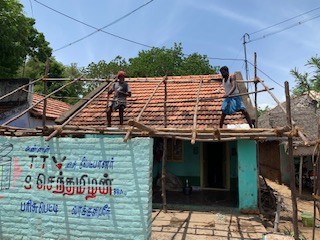
Village survey or rural study is a major part of the curriculum for the 2nd year students Read More
This year, the 2nd year students surveyed the village of Udaiyalur, Kumbakonam and studied its historical, cultural and architectural significance. Udaiyalur, being the final resting place of Raja Raja Cholan, is a place of great cultural and historical significance and a part of the evolution of the Chola dynasty.
The survey was carried over for a period of five days, during which the students analyzed different aspects of the village including the building construction techniques, materials, the socio economic aspects, amenities and facilities available etc… and came up with proposals to develop the rural community.
Bison 2019
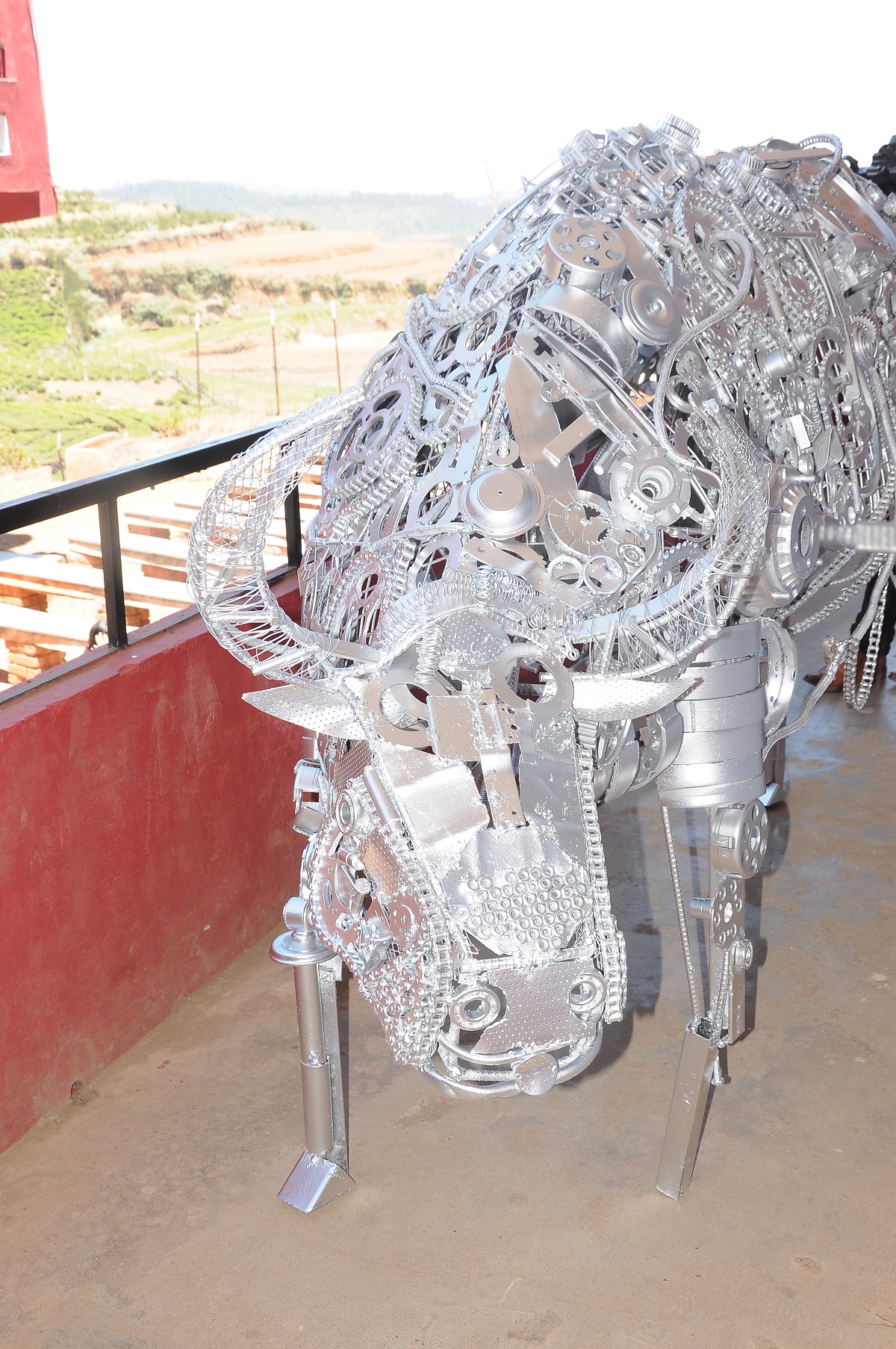
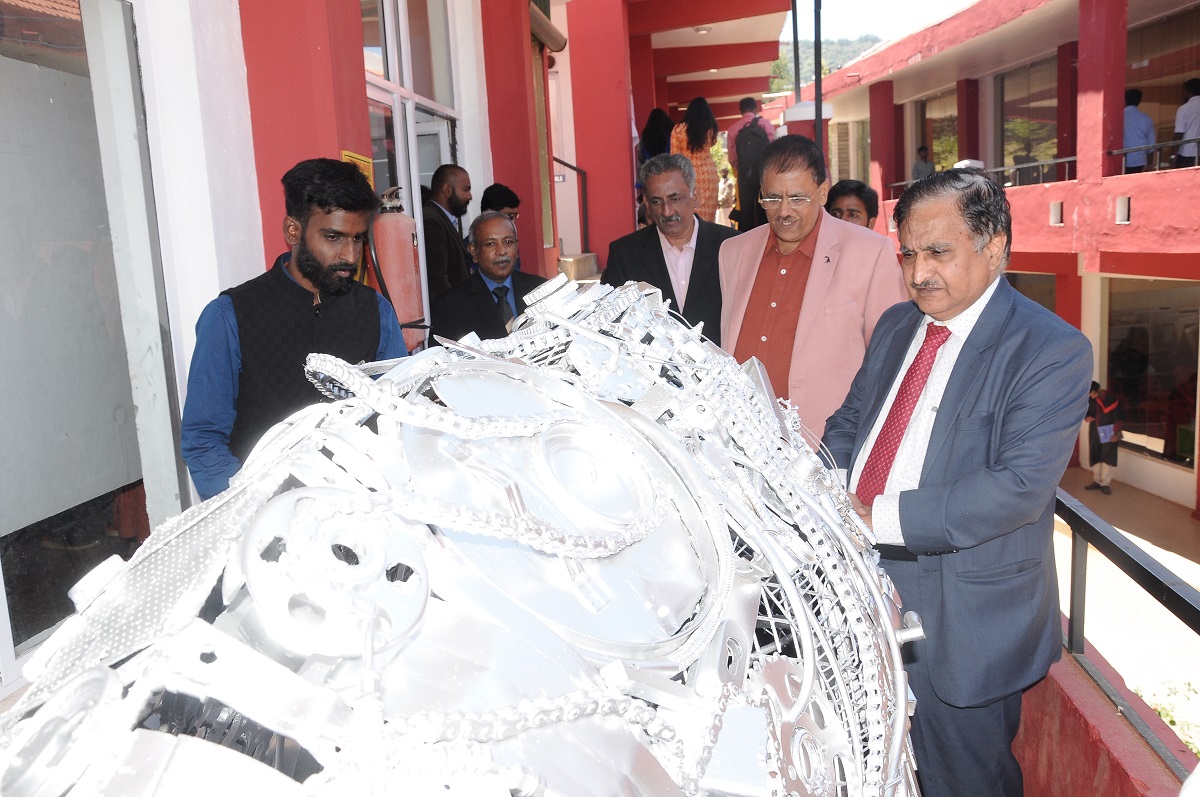
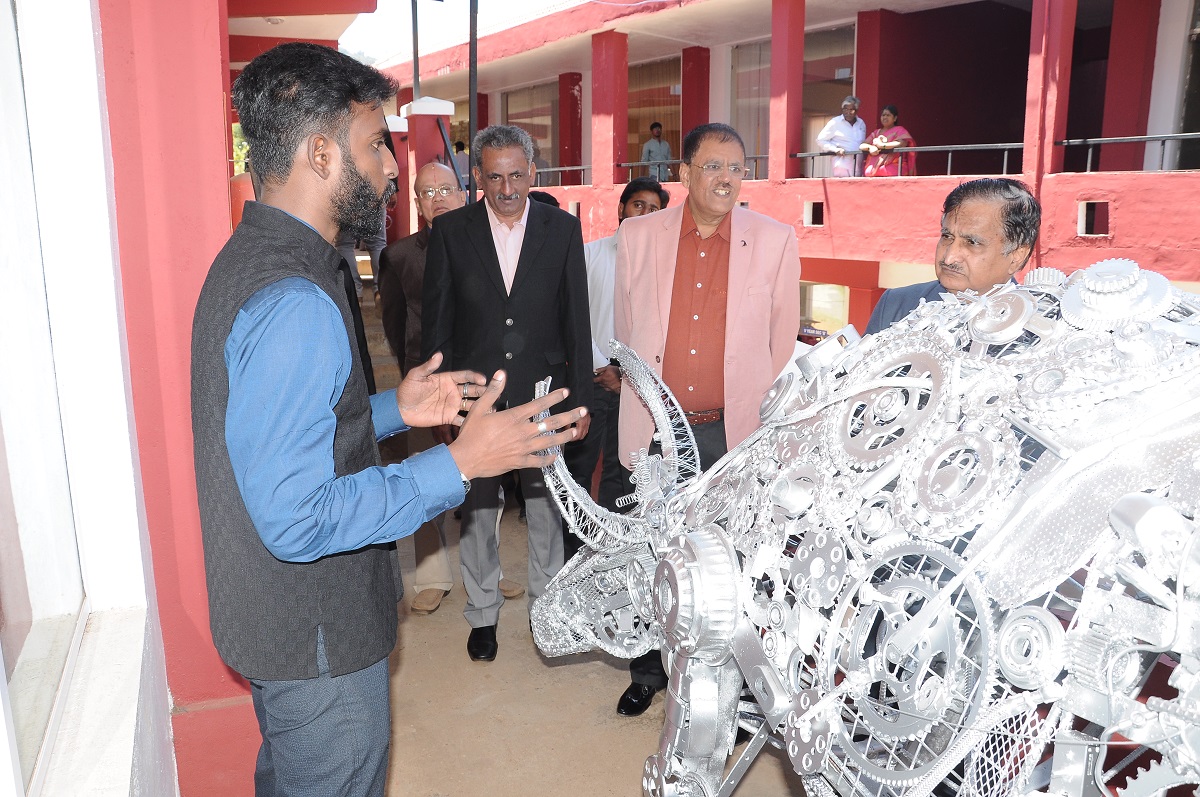
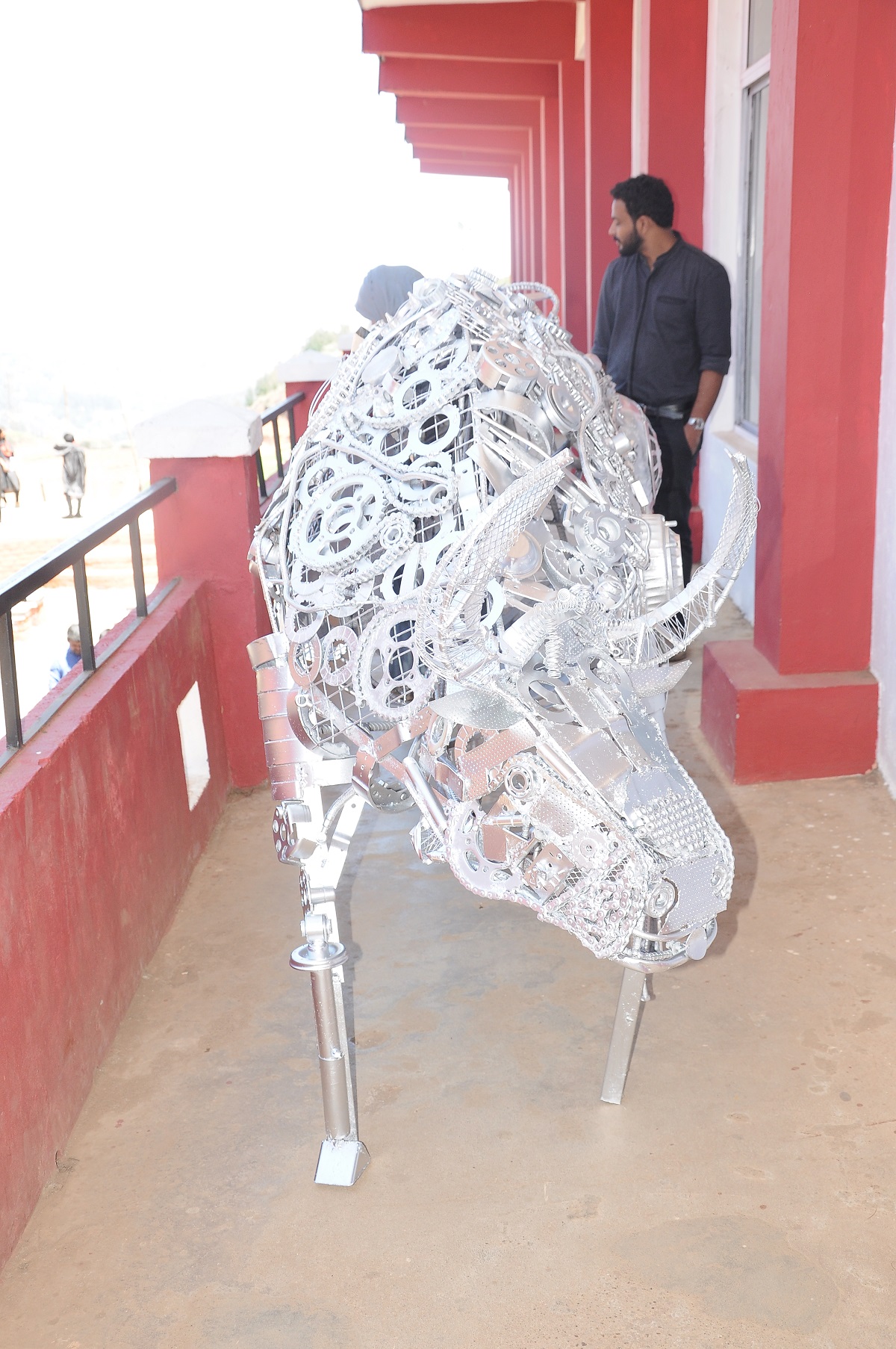
The district of Nilgiris is known for its unique flora and fauna. Among the unique animal Read More
Human Figure 2019


Although metal is often seen as a cold and a herd medium, I found a way to breathe life into the material, Read More
Wall Painting 2018
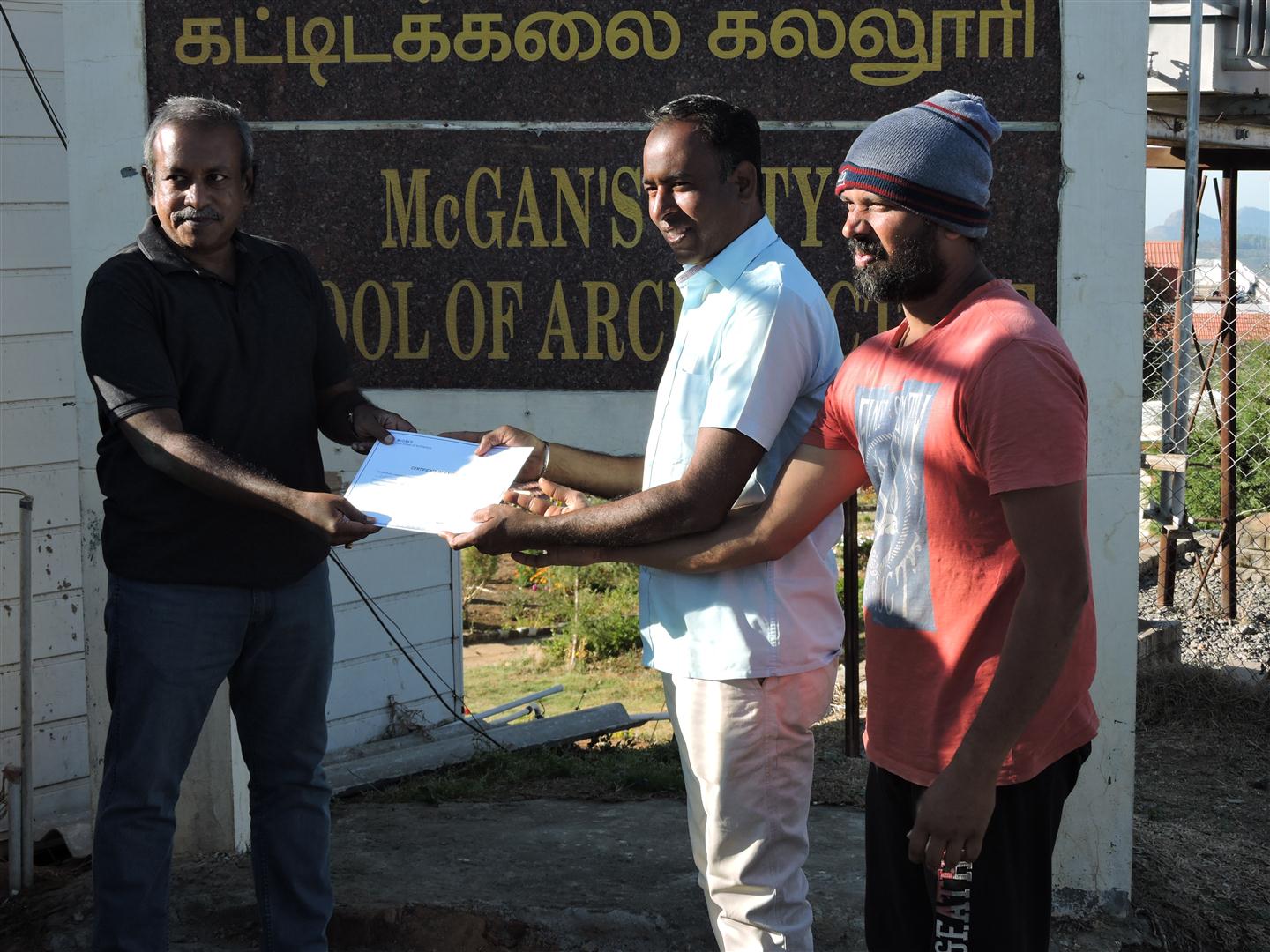
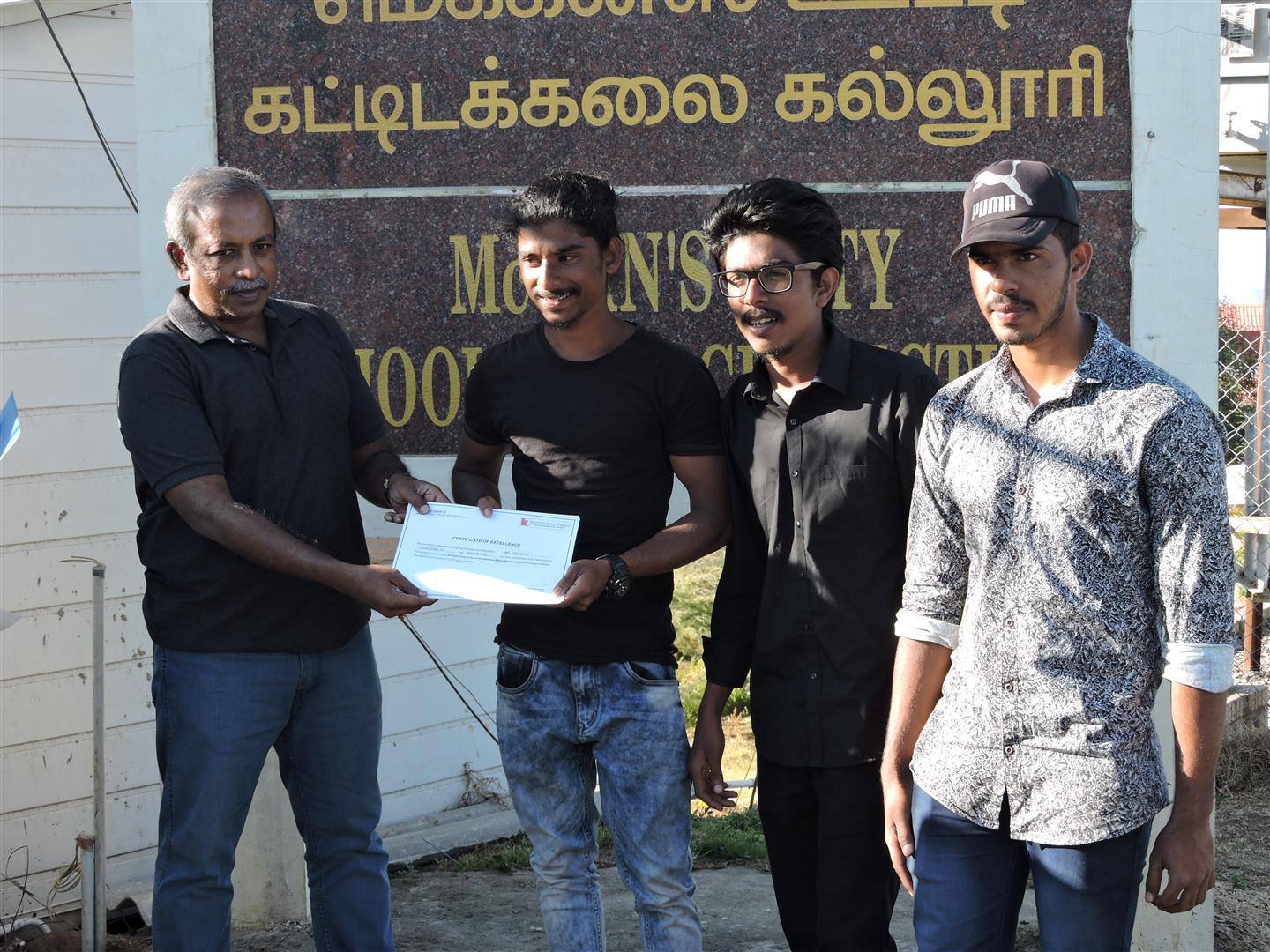
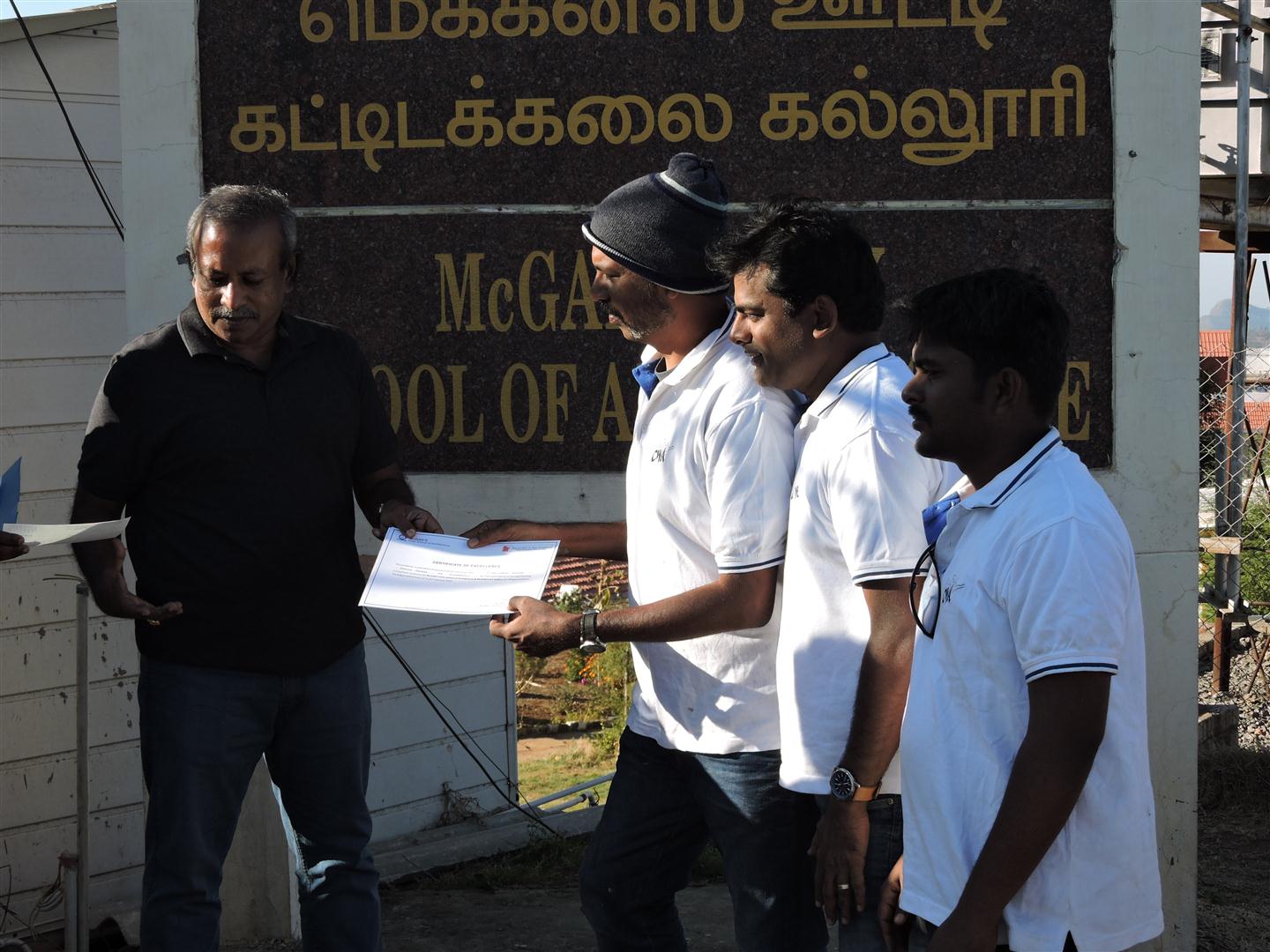
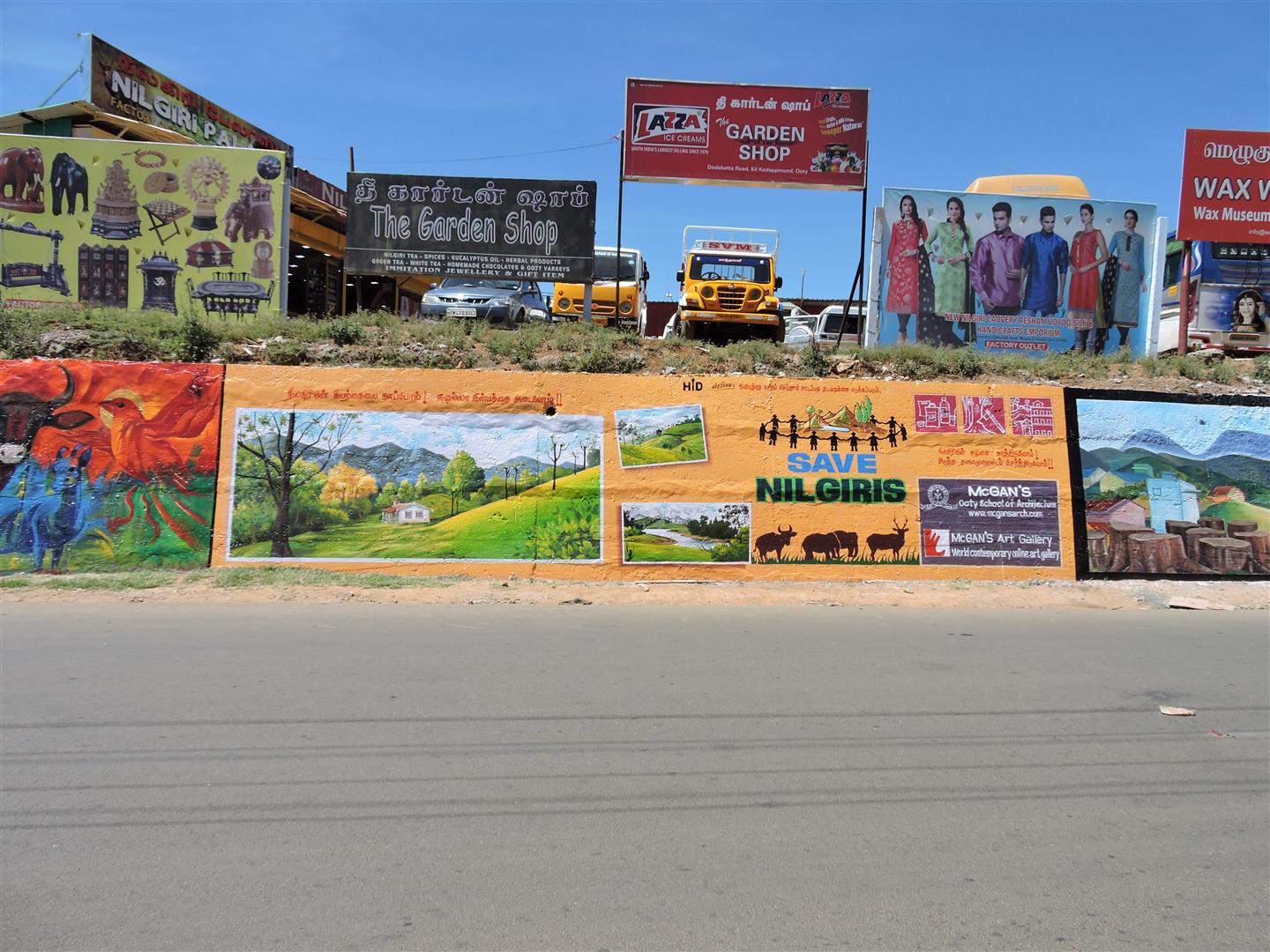
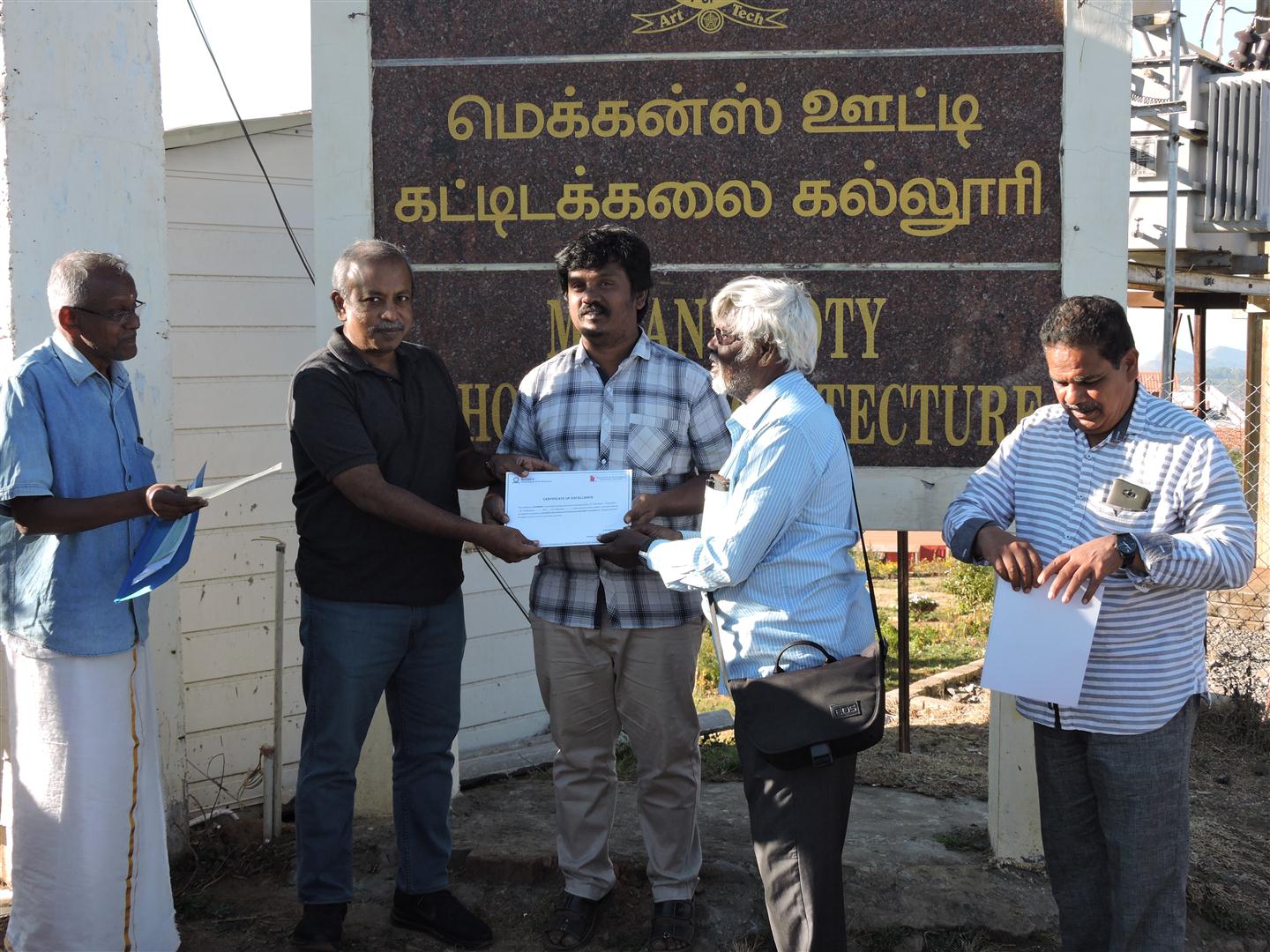
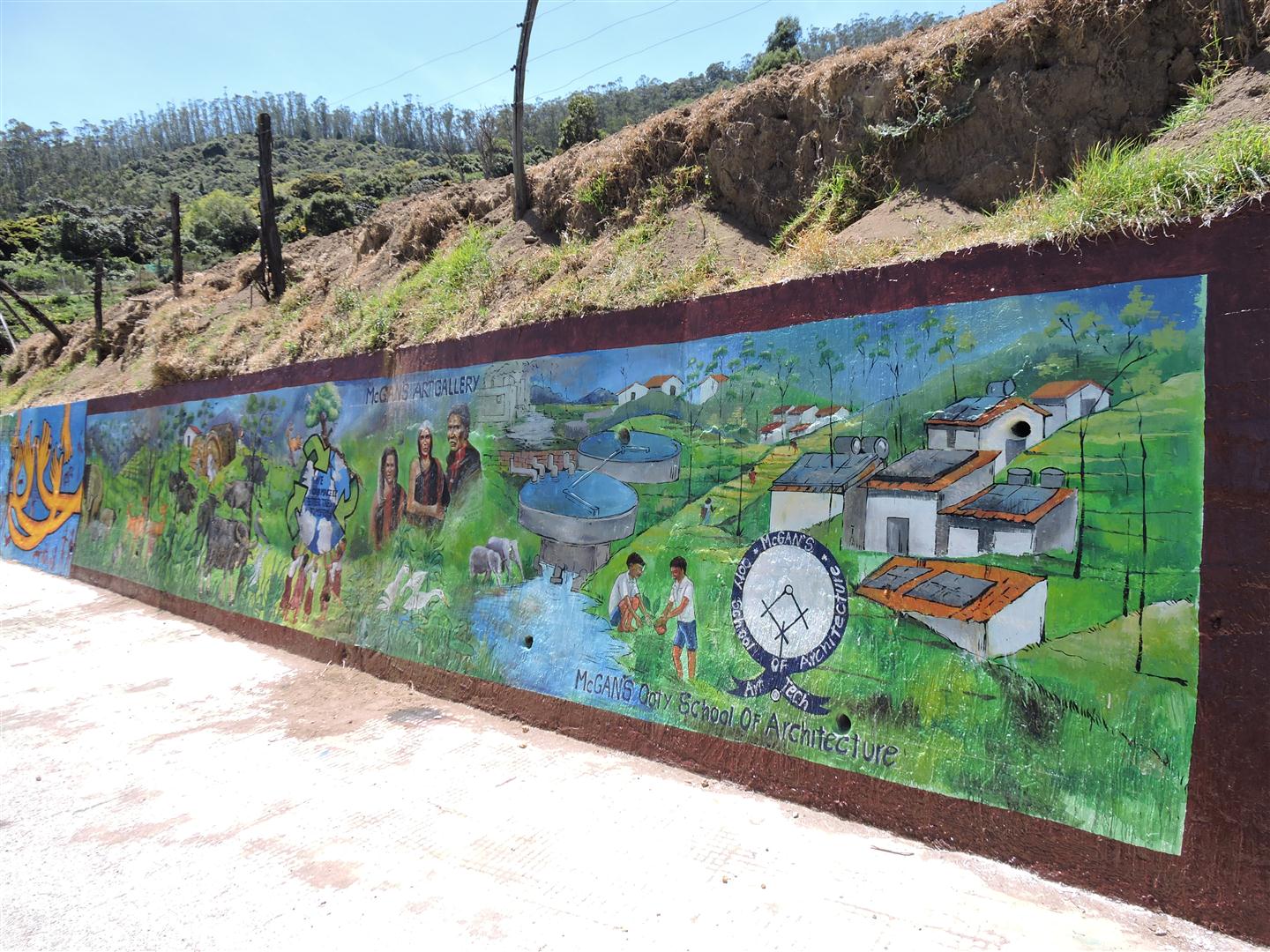
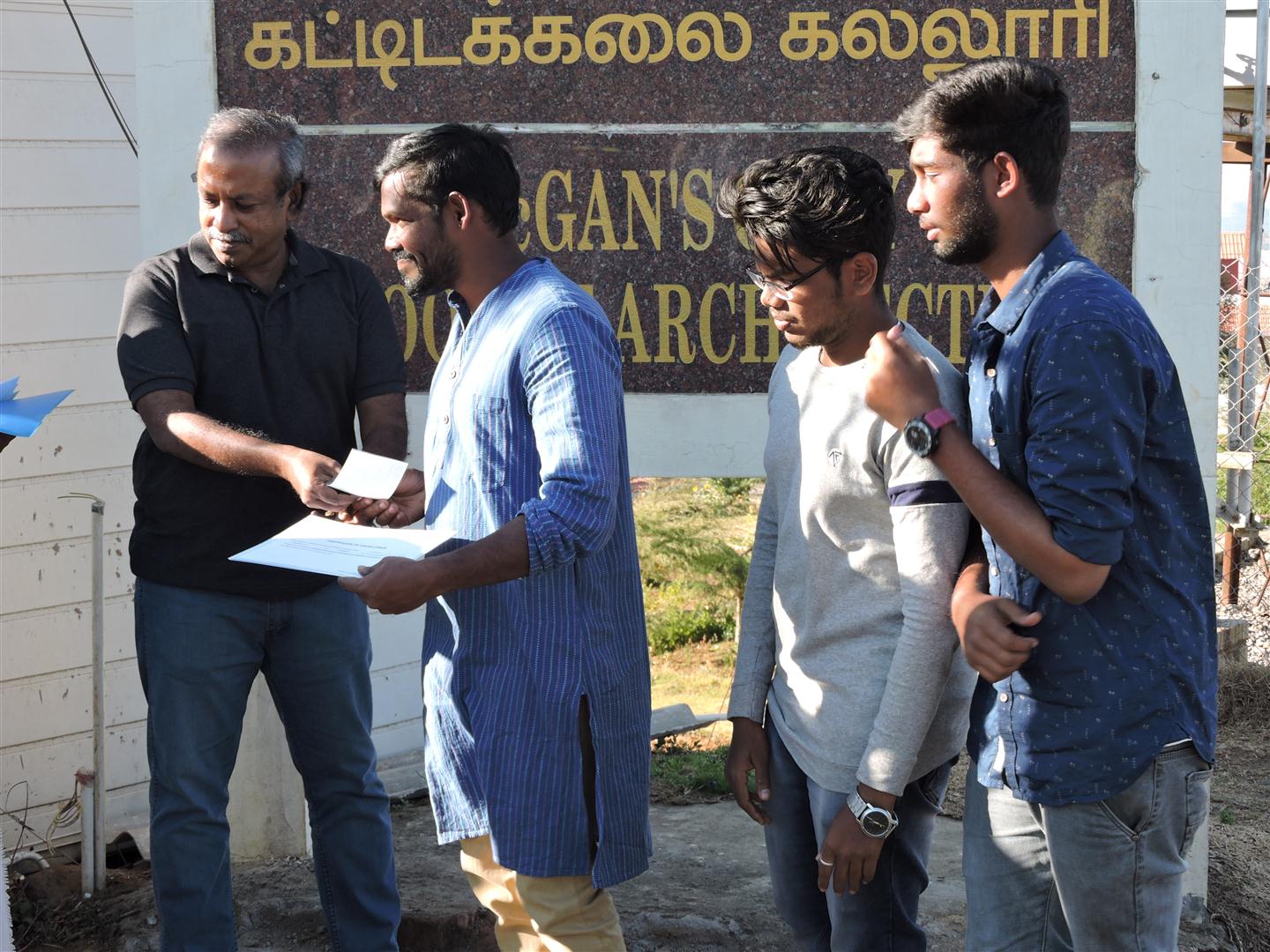
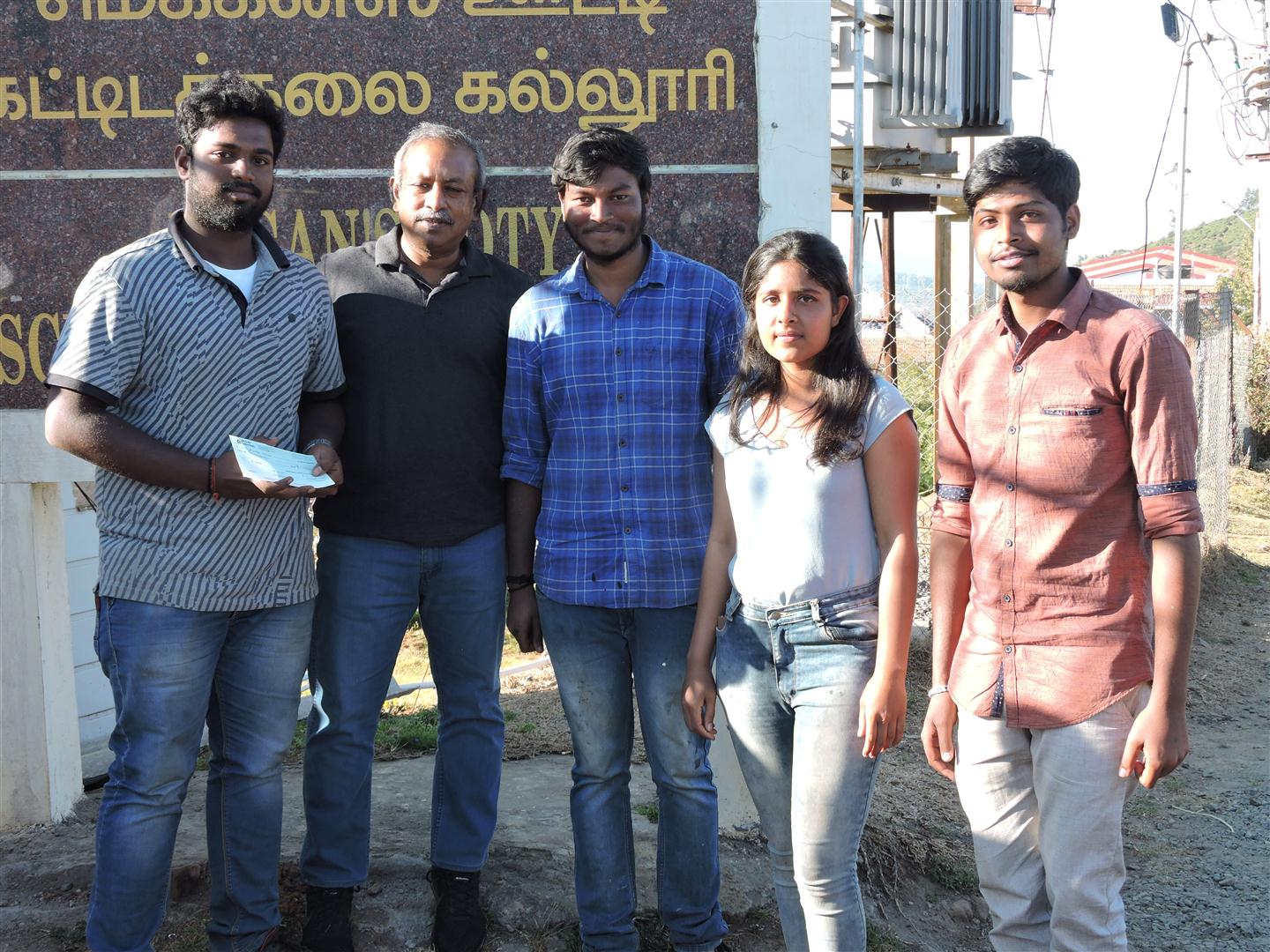
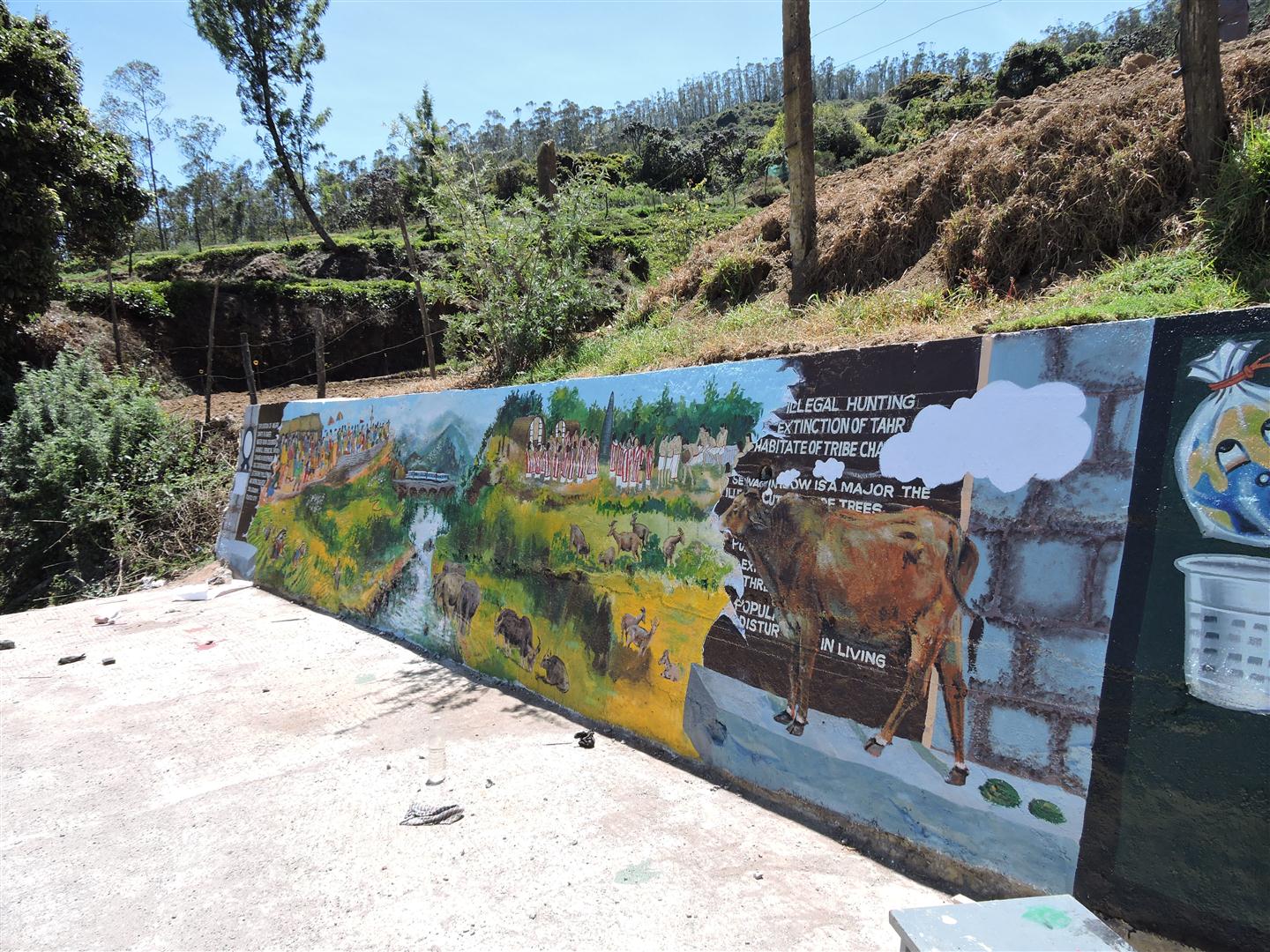
Wall Painting Collector’s Office – The Nilgiris District Collector, Innocent Divya, inaugurated a ‘Wall of Art’ near Read More
Campus Installations by Students 2018
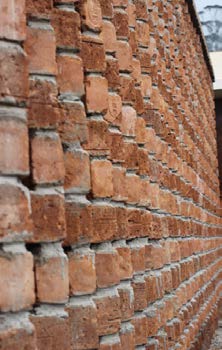
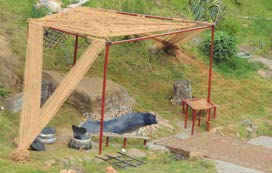
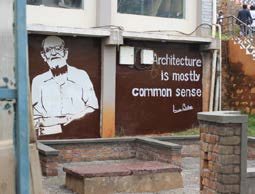
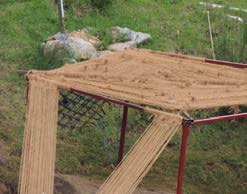
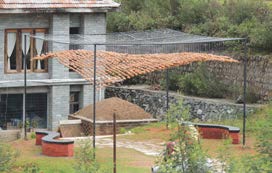
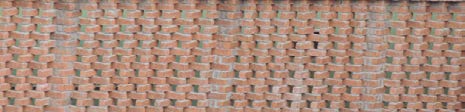
Art doesn’t always need to be a painting on the wall or a monument that stands still. Read More
Urban Study Vellore 2018
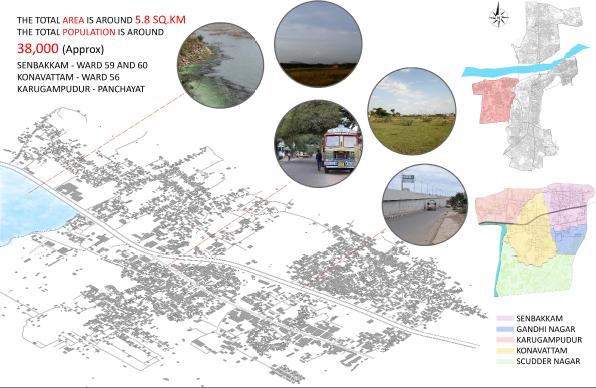
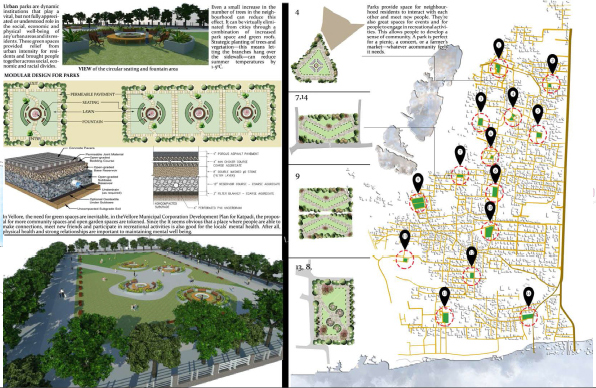
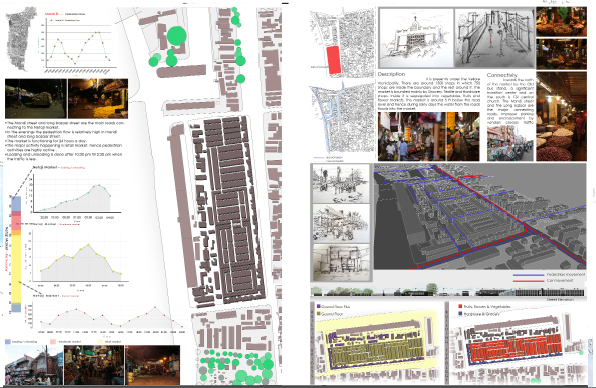
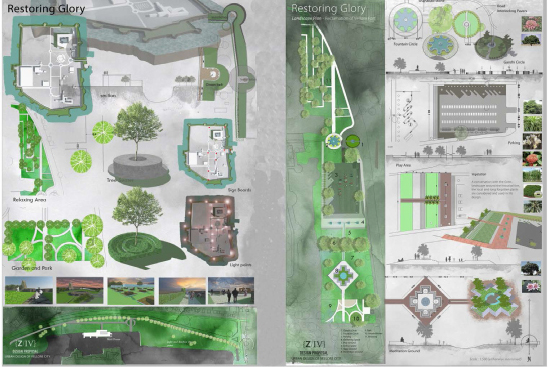
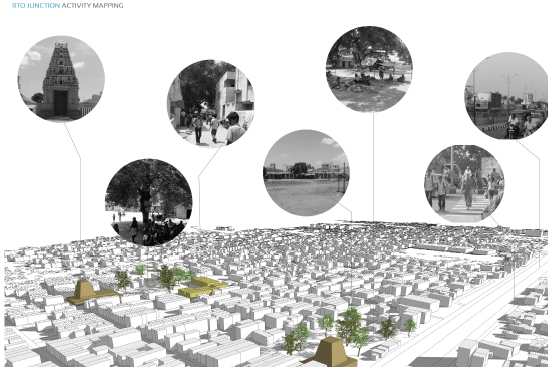
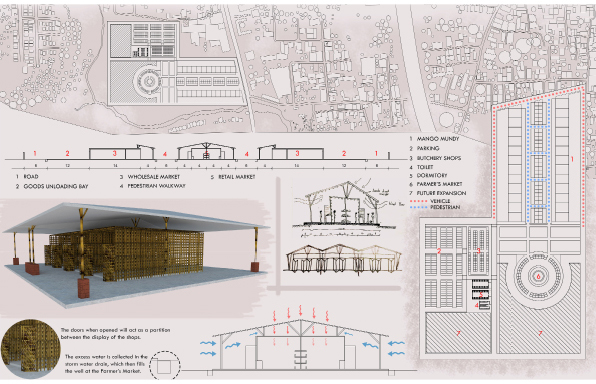
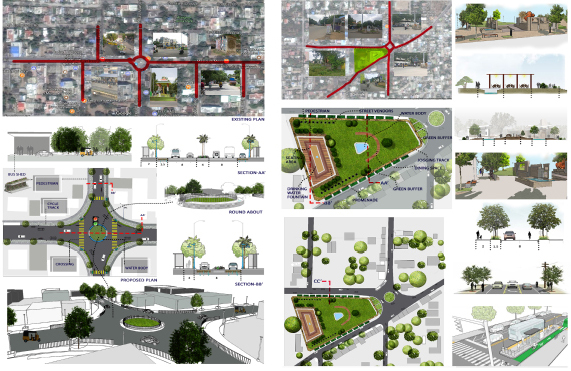
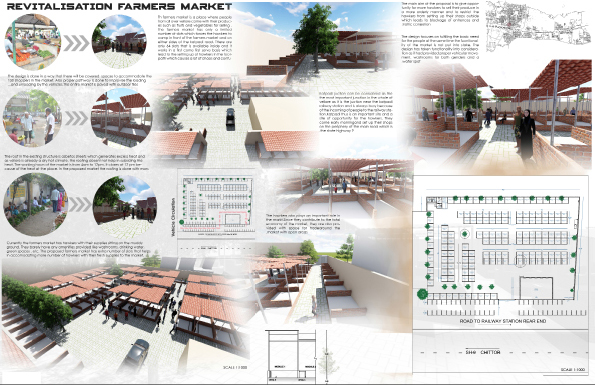
The Urban Study of Vellore was done by the final year students with a detailed study covering an extent of 5.8 sq.km. Read More
Tensile Structure Workshop 2018
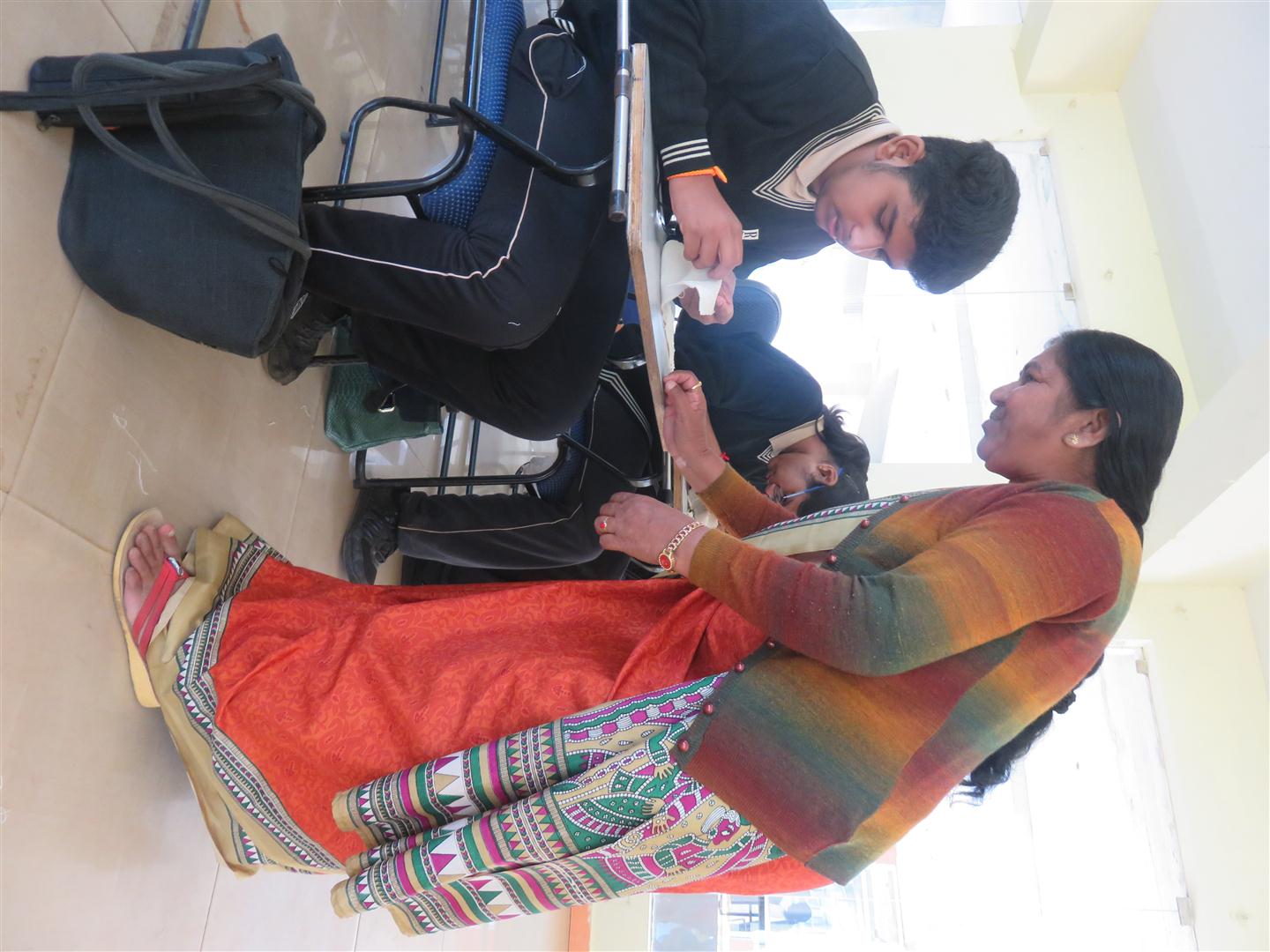
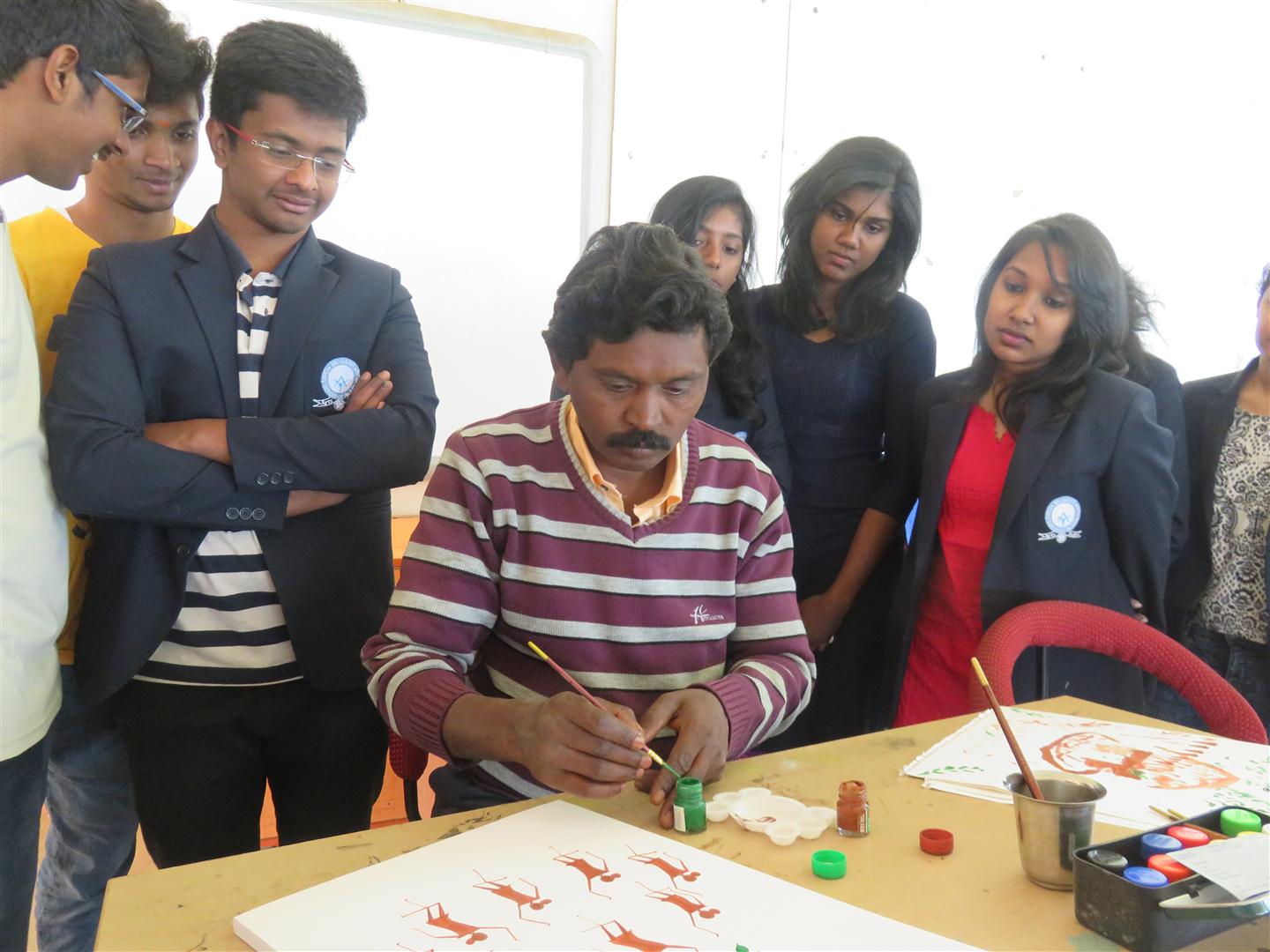
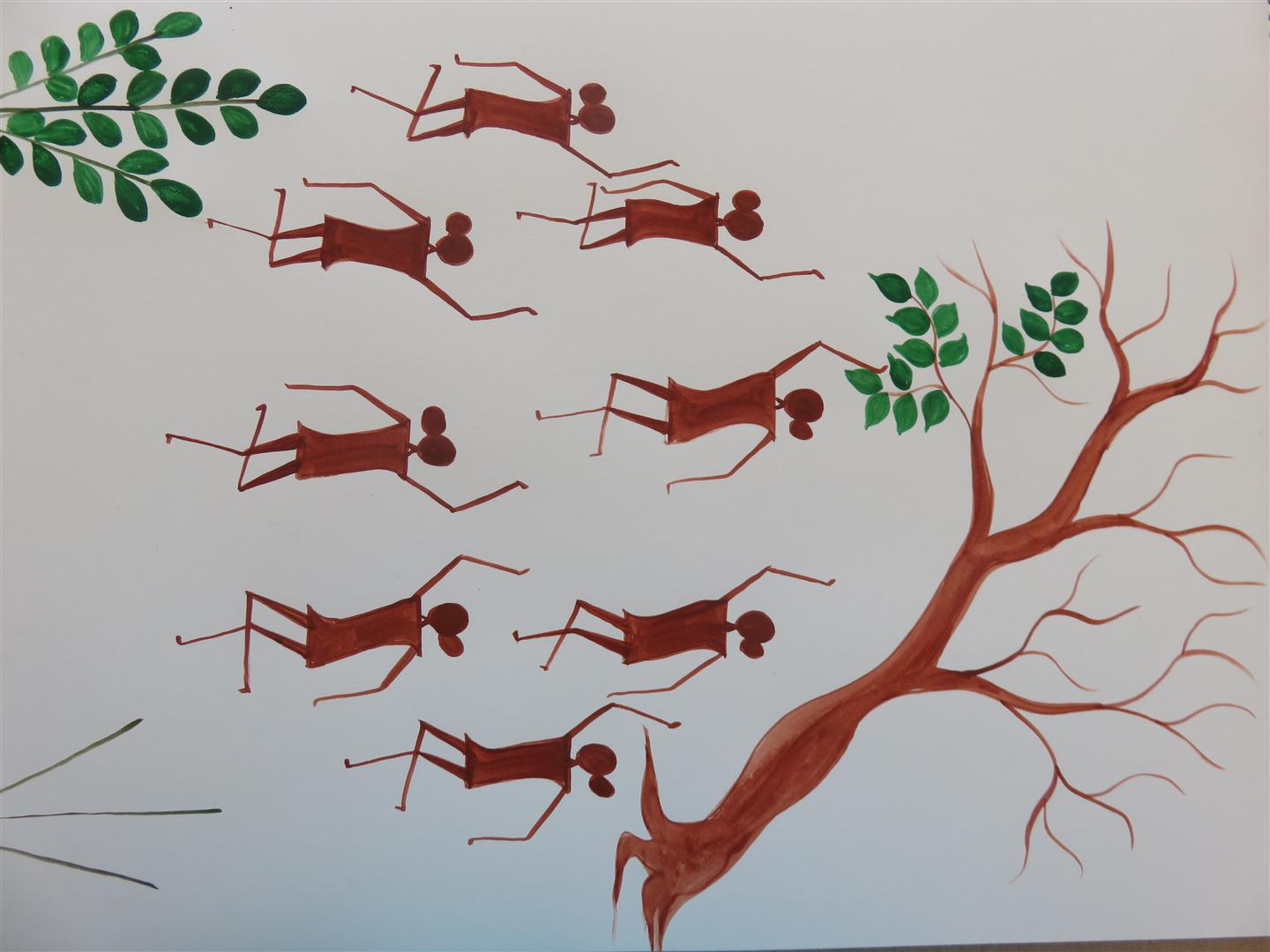
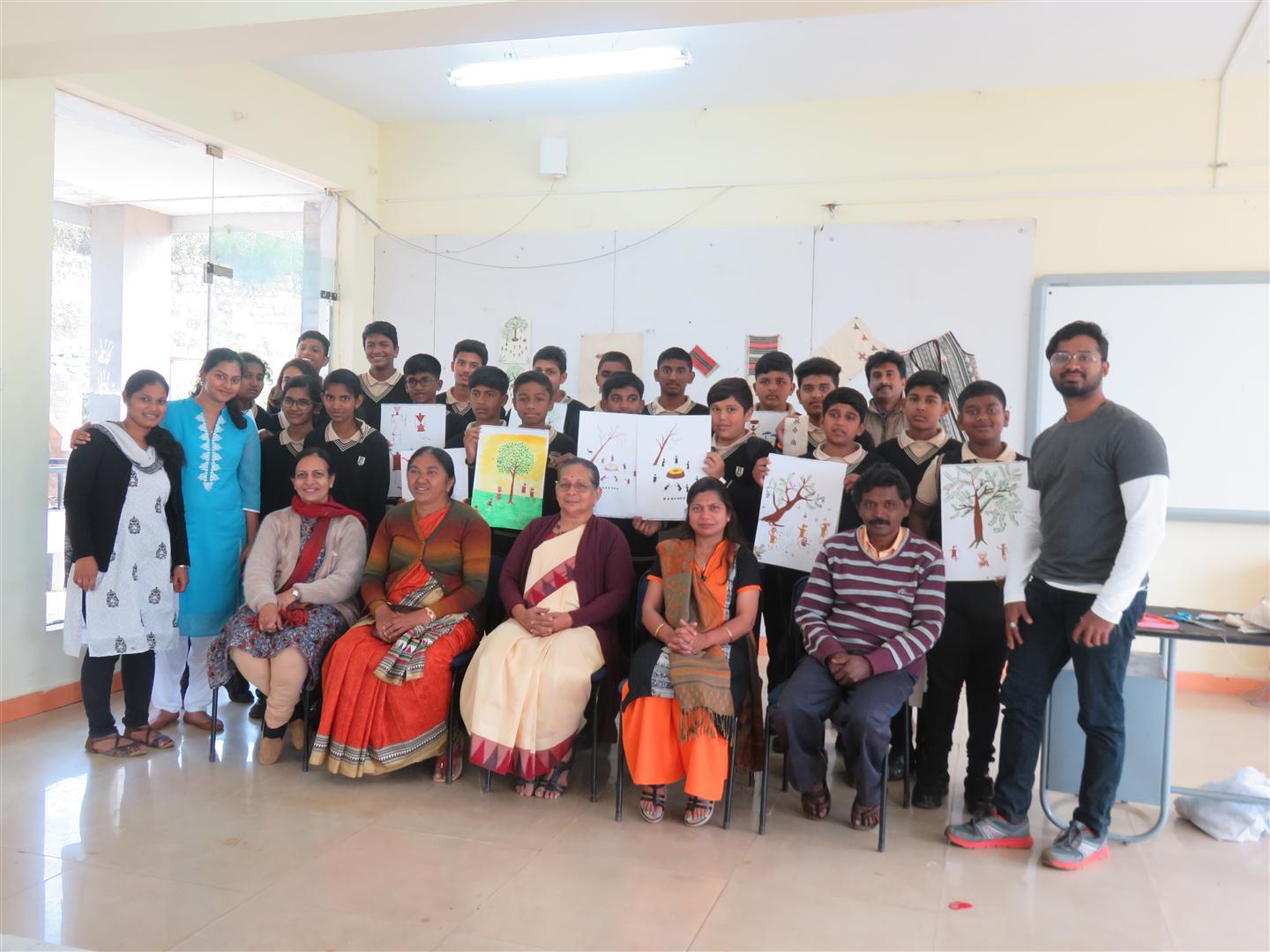
The Tensile workshop for the students was conducted in McGAN’S Ooty School of Architecture in 2018. Read More
Village Survey 2nd year 2017-18
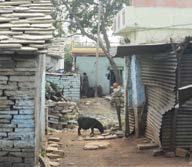
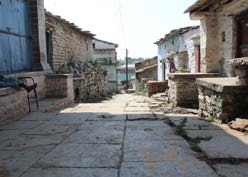
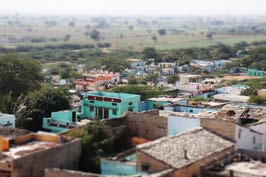
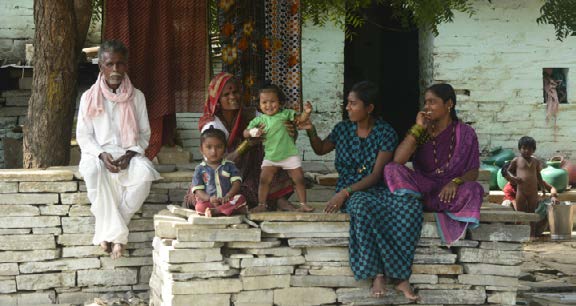
The village identified for the rural studies was Kiranagi, 25 kms from Gulbarga.The total geographical Read More
Students Art Works 2017-18
The Clay modeling workshop was conducted by the college, the event led by Mr.Ramesh Katti Read More
Photography Competition 2017-18
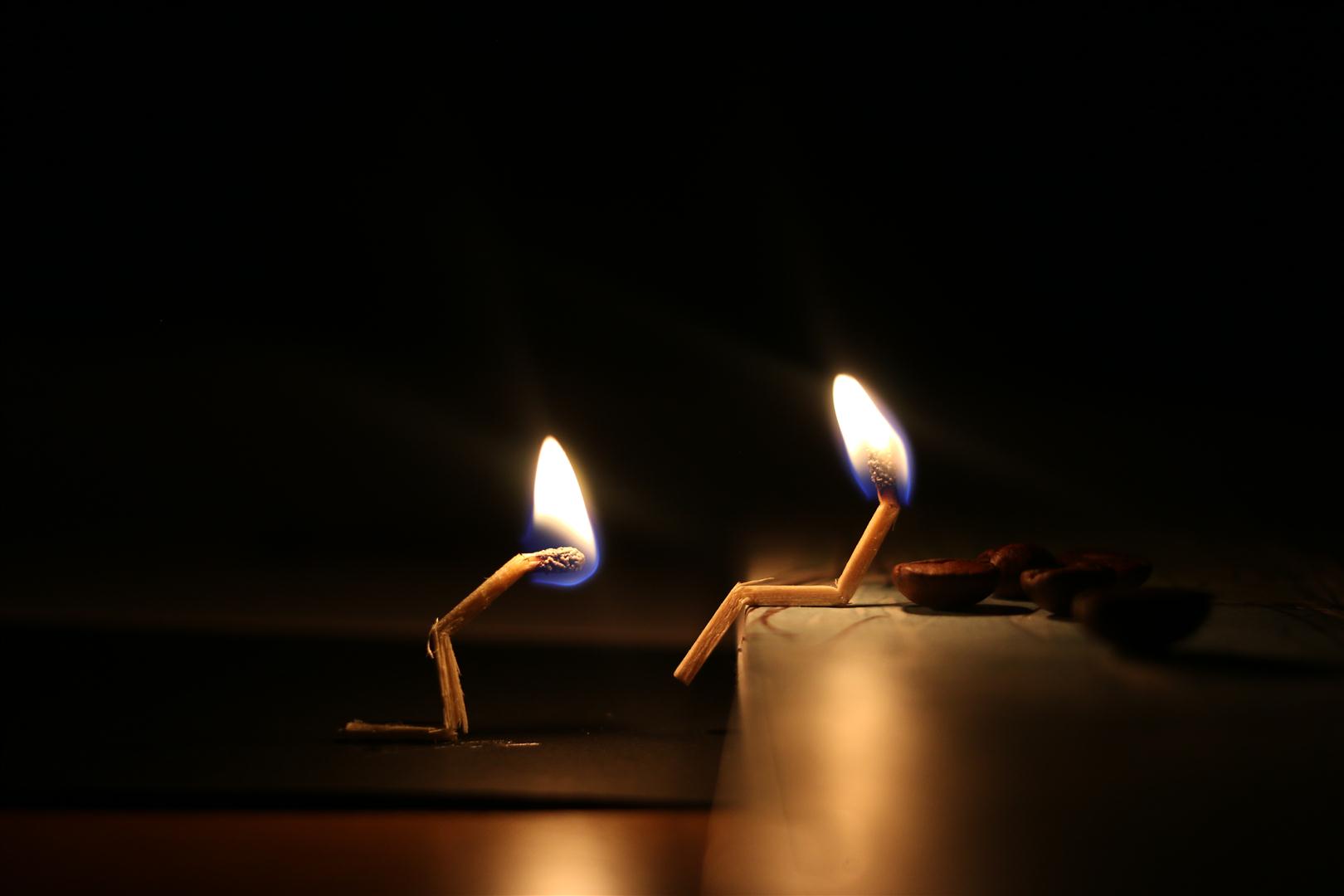
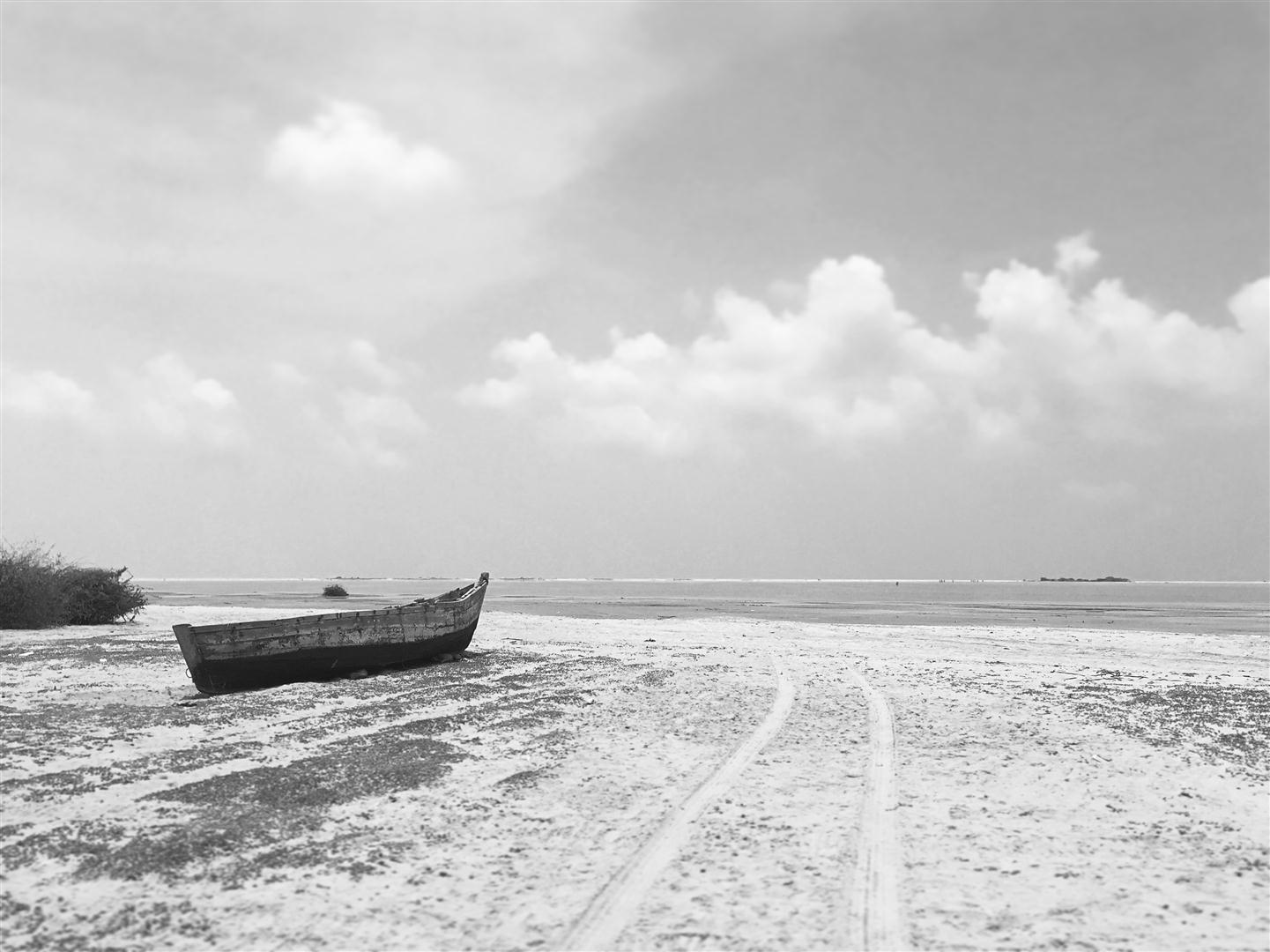
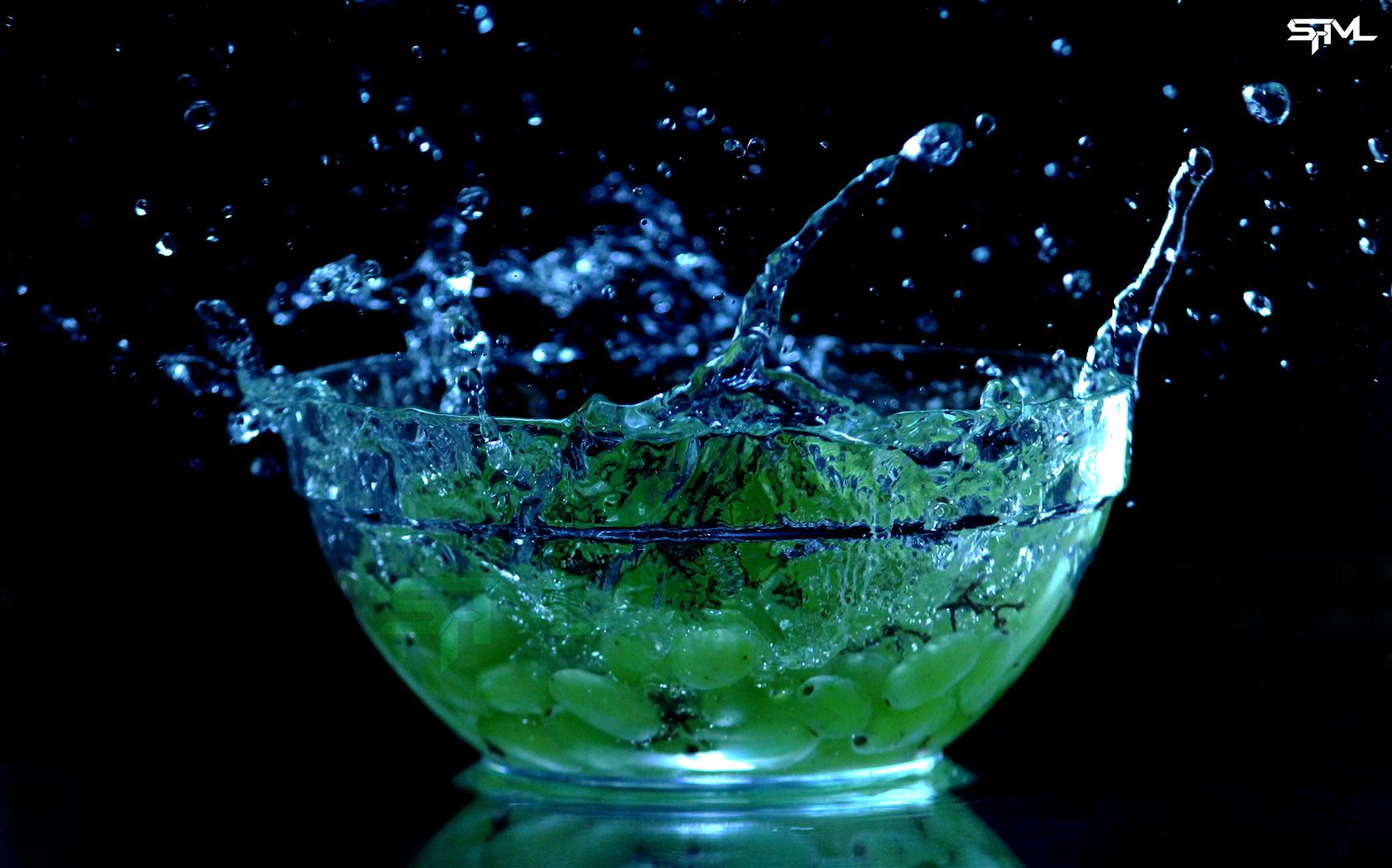
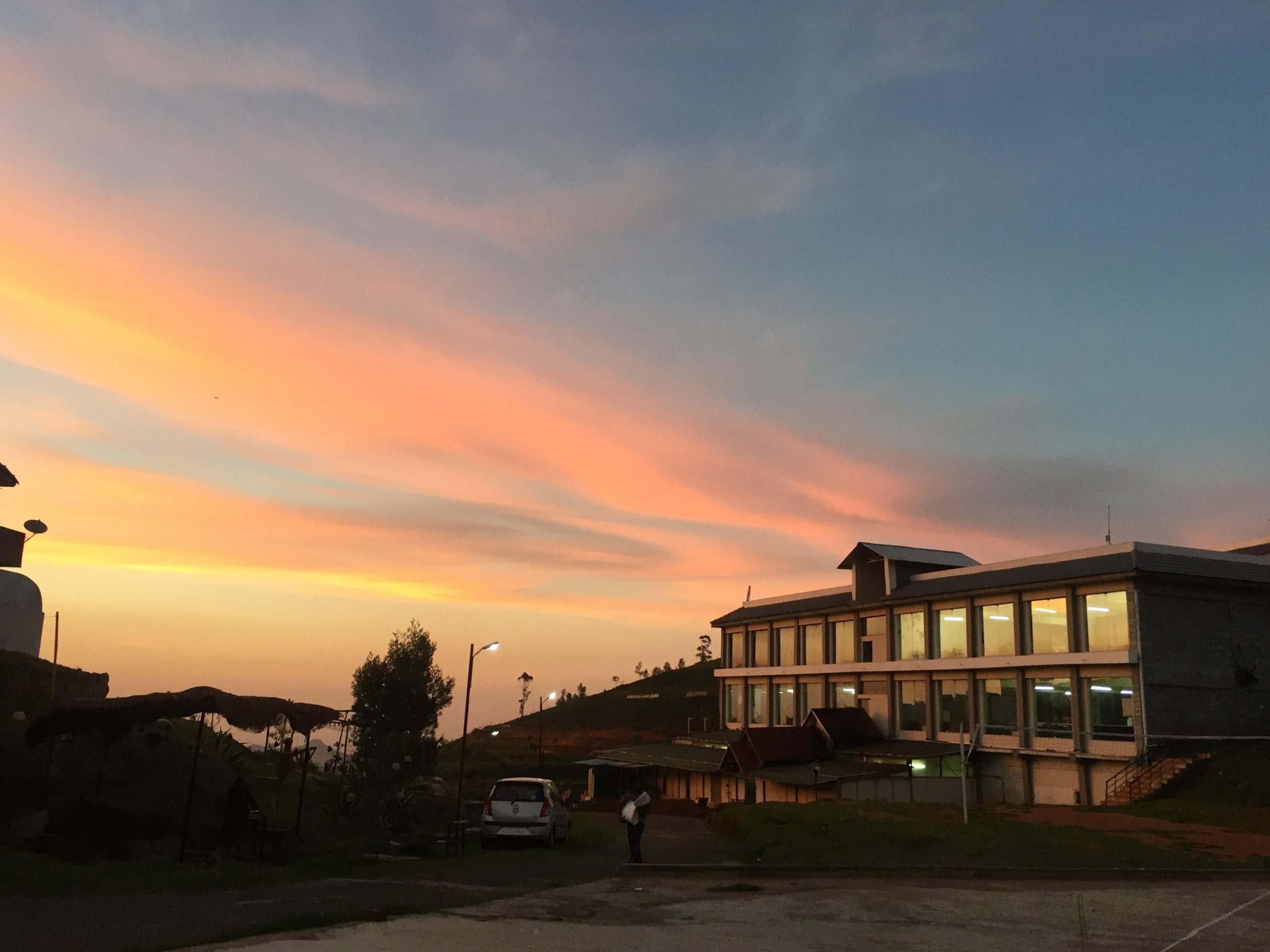
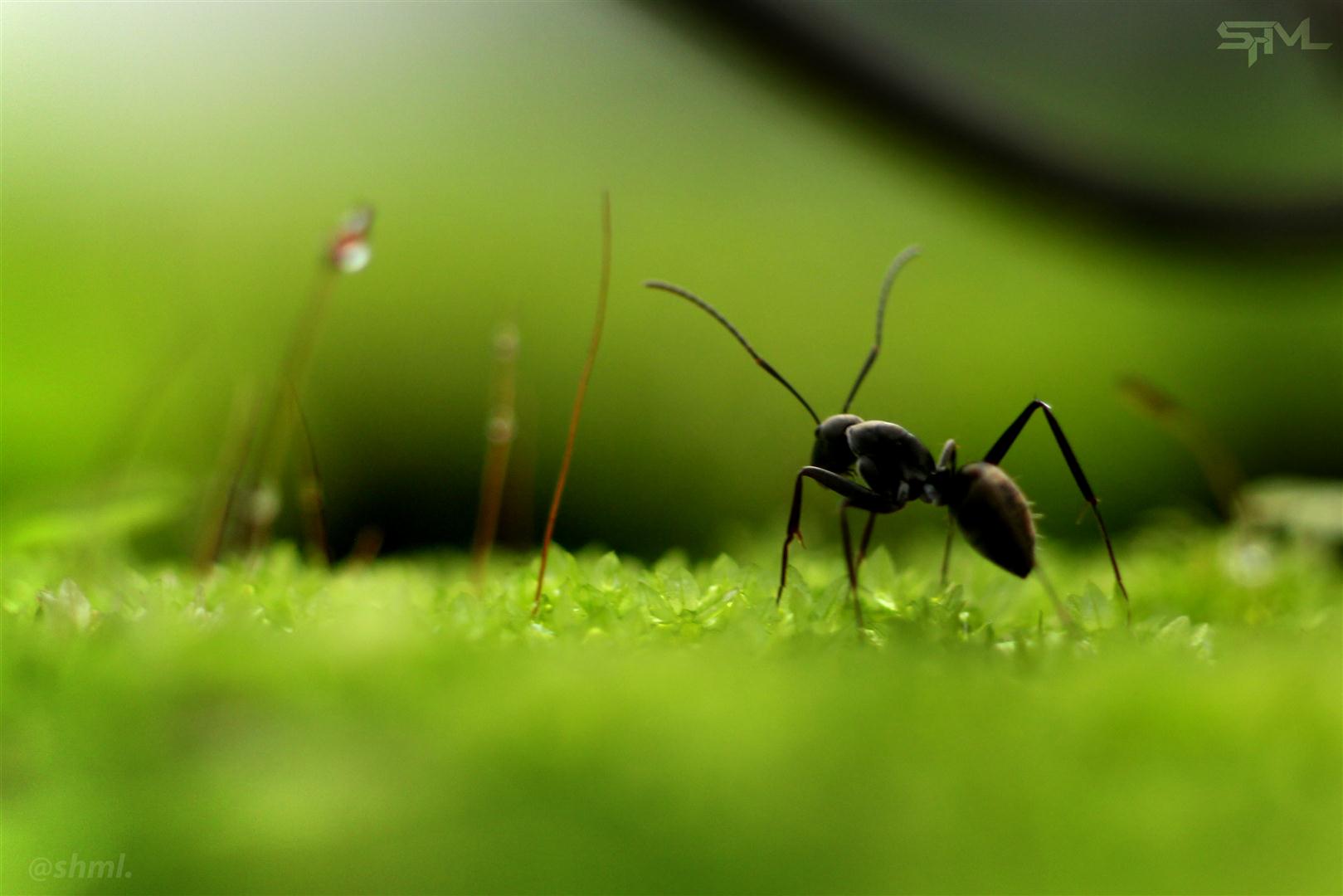
A photography competition on the theme “shadows” was organized with an intention to Read More
CMDA - Survey of Heritage Buildings 2017-18
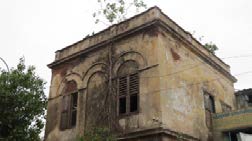
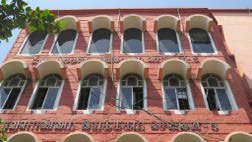

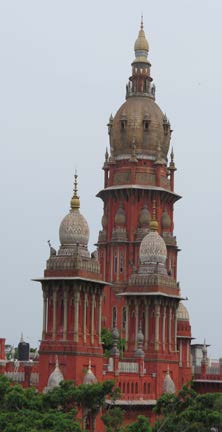
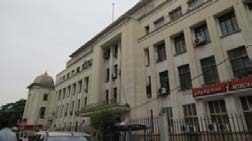
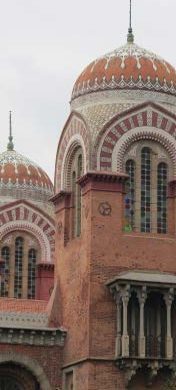
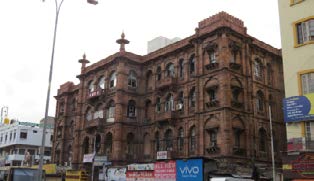
Documentation of 100 Heritage Buildings in Chennai authorized by CMDA (Chennai Metropolitan Development Authority) Read More
Kiranagi Village Documentation 2nd year 2017
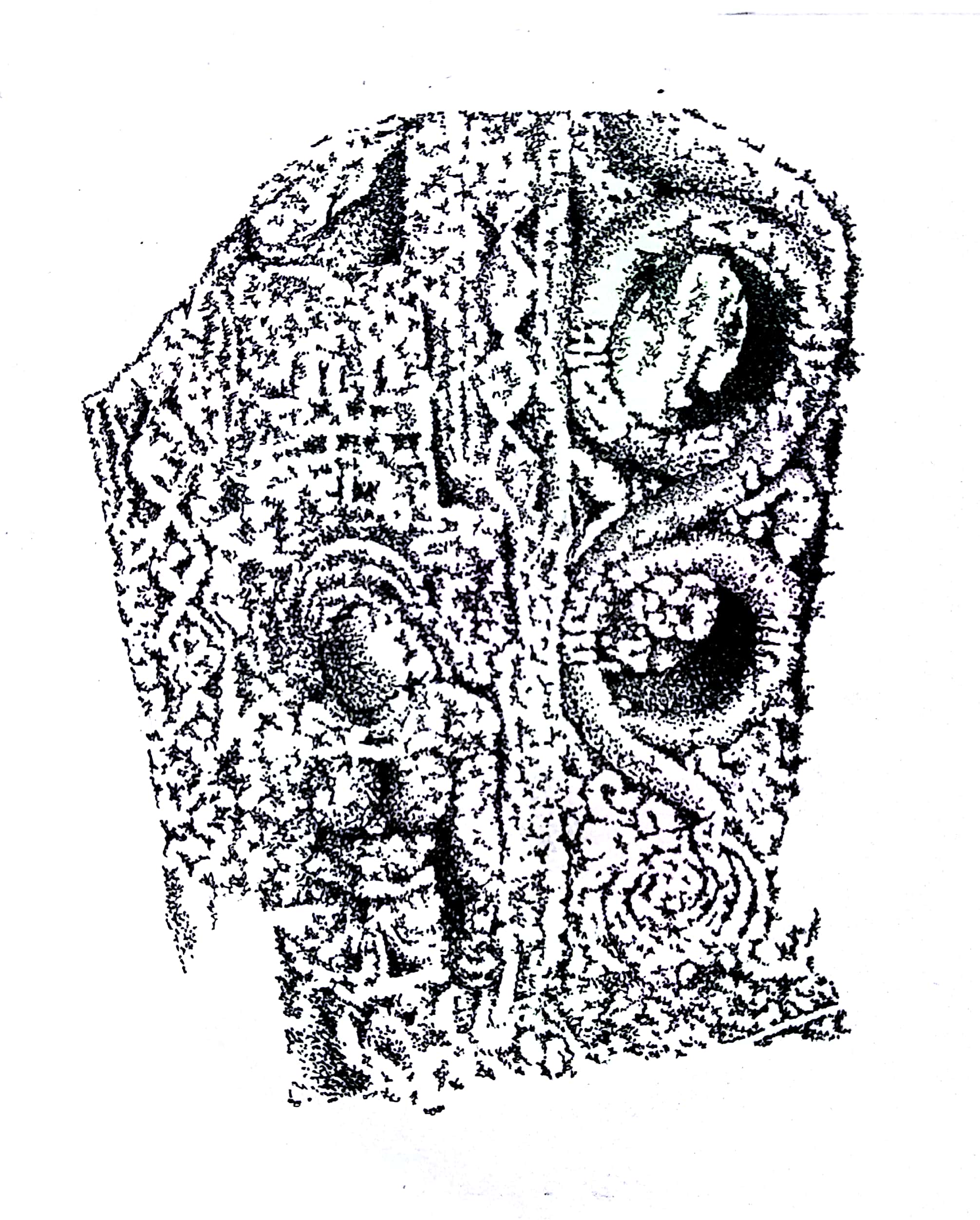
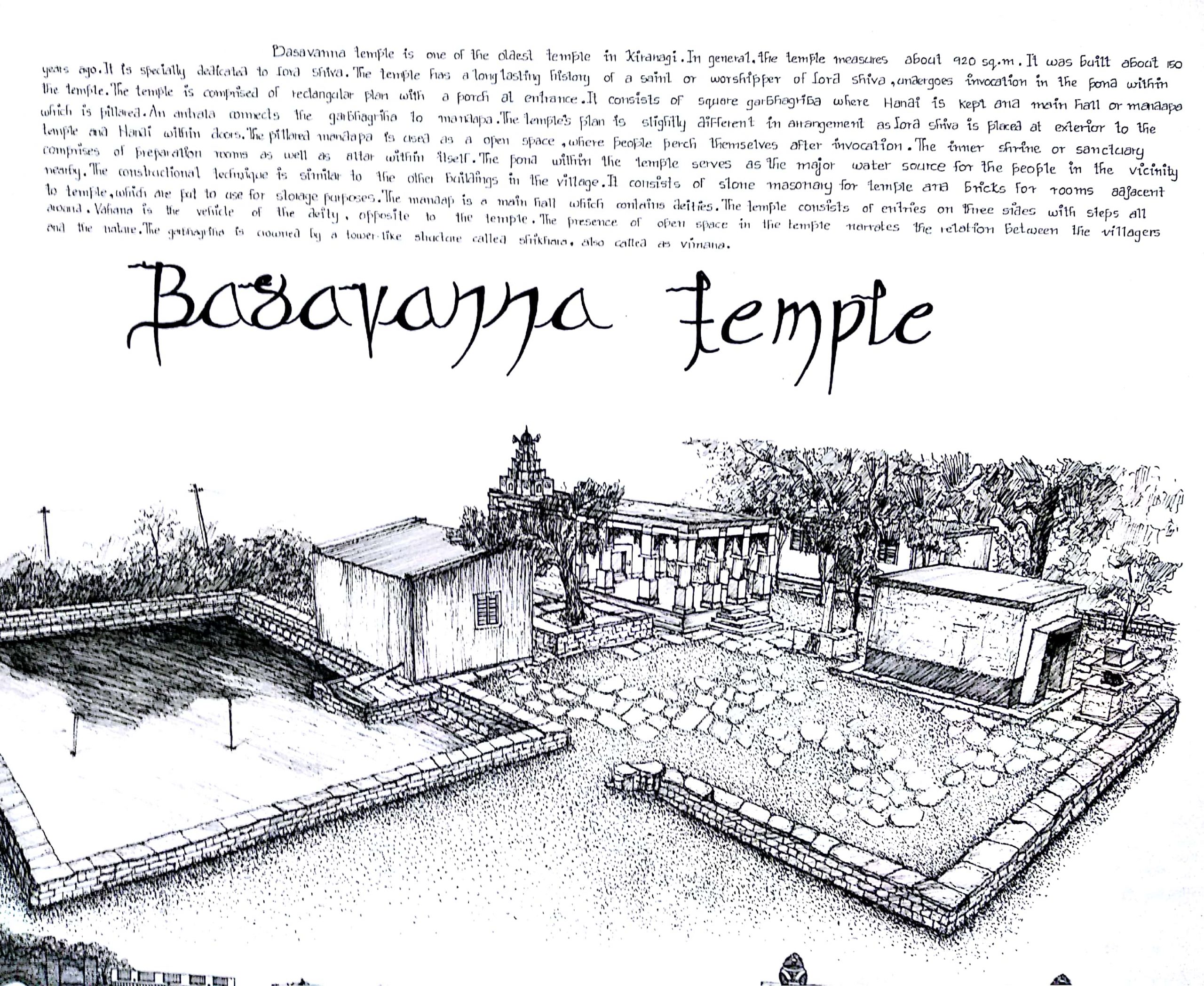
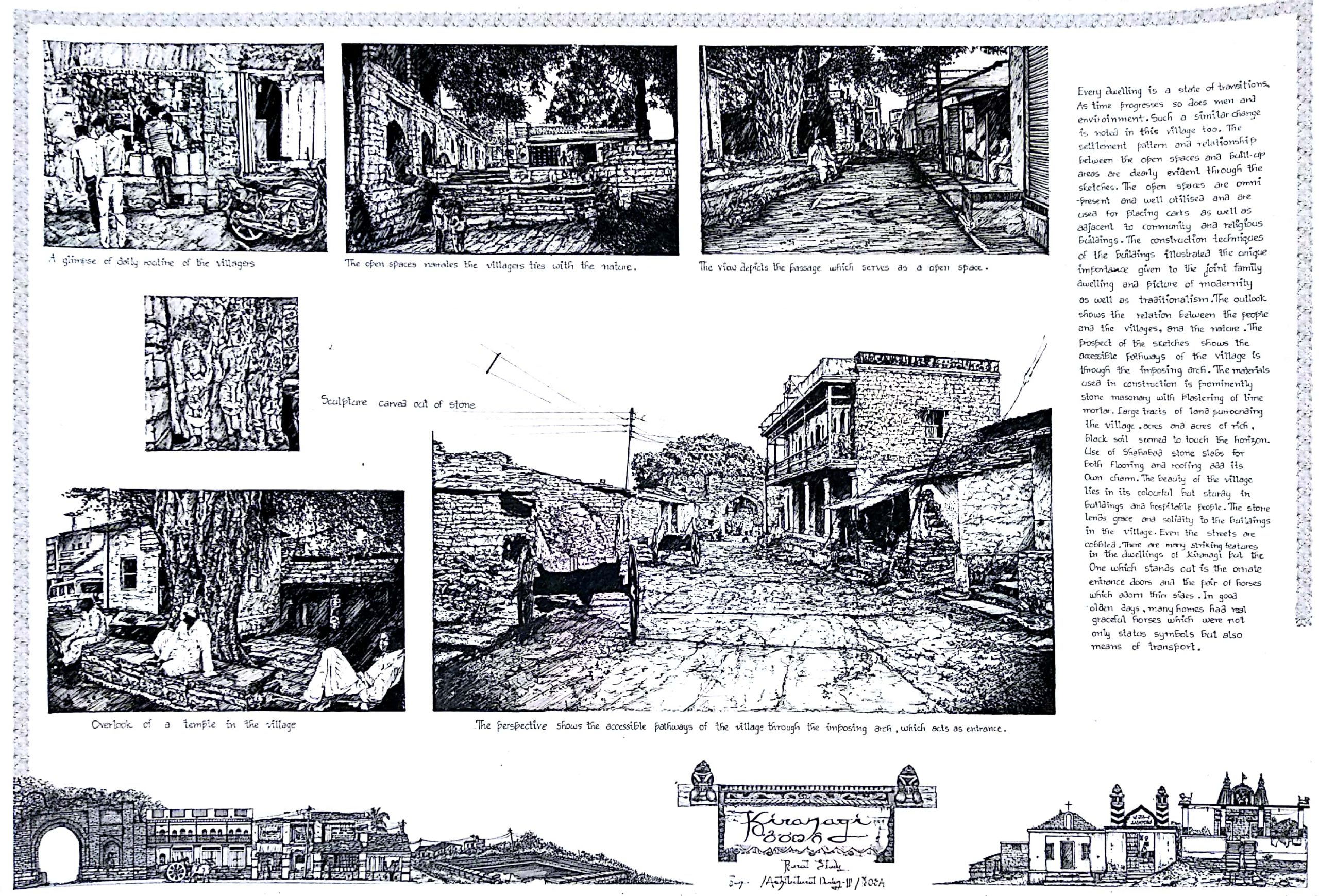
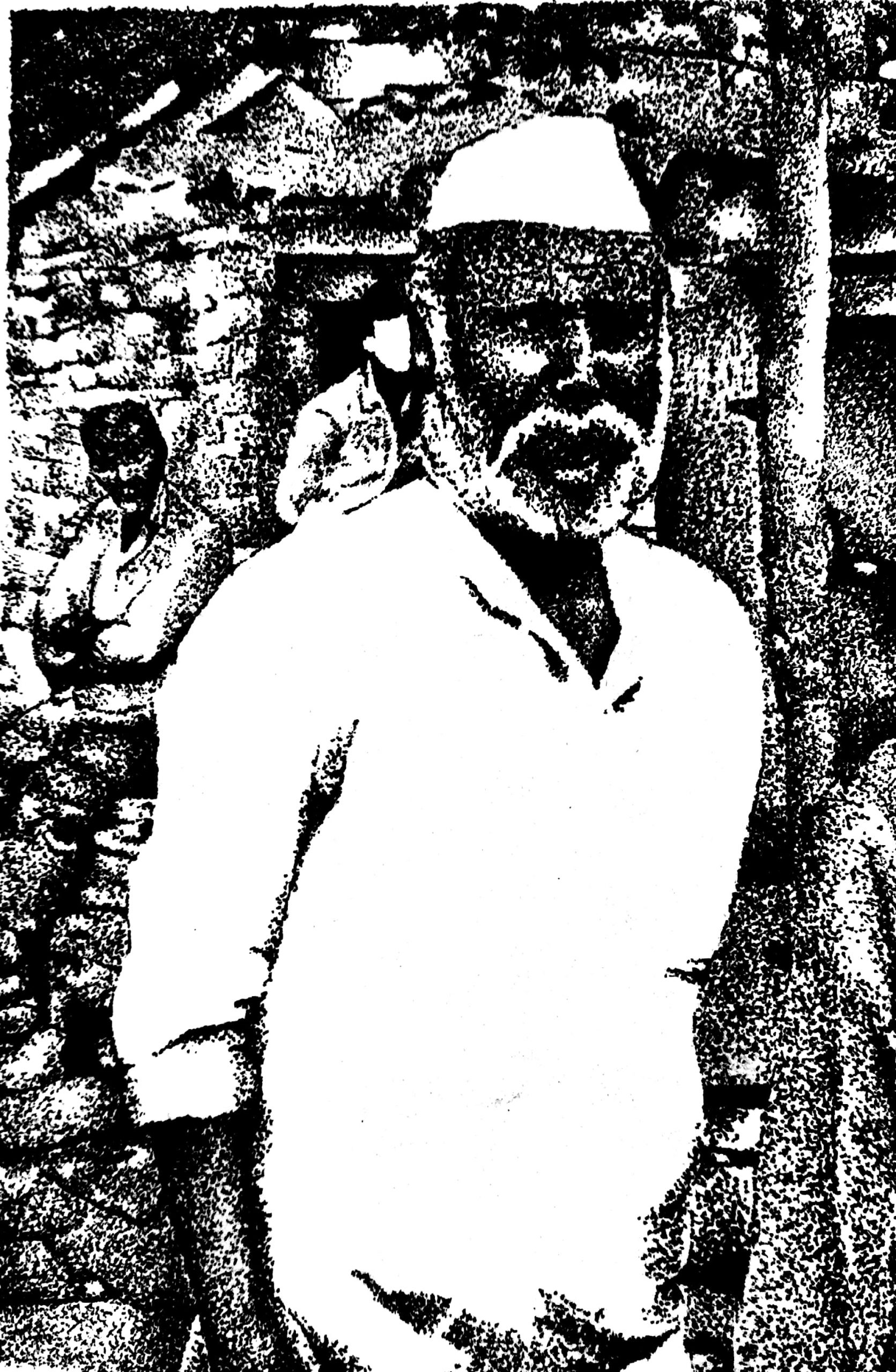
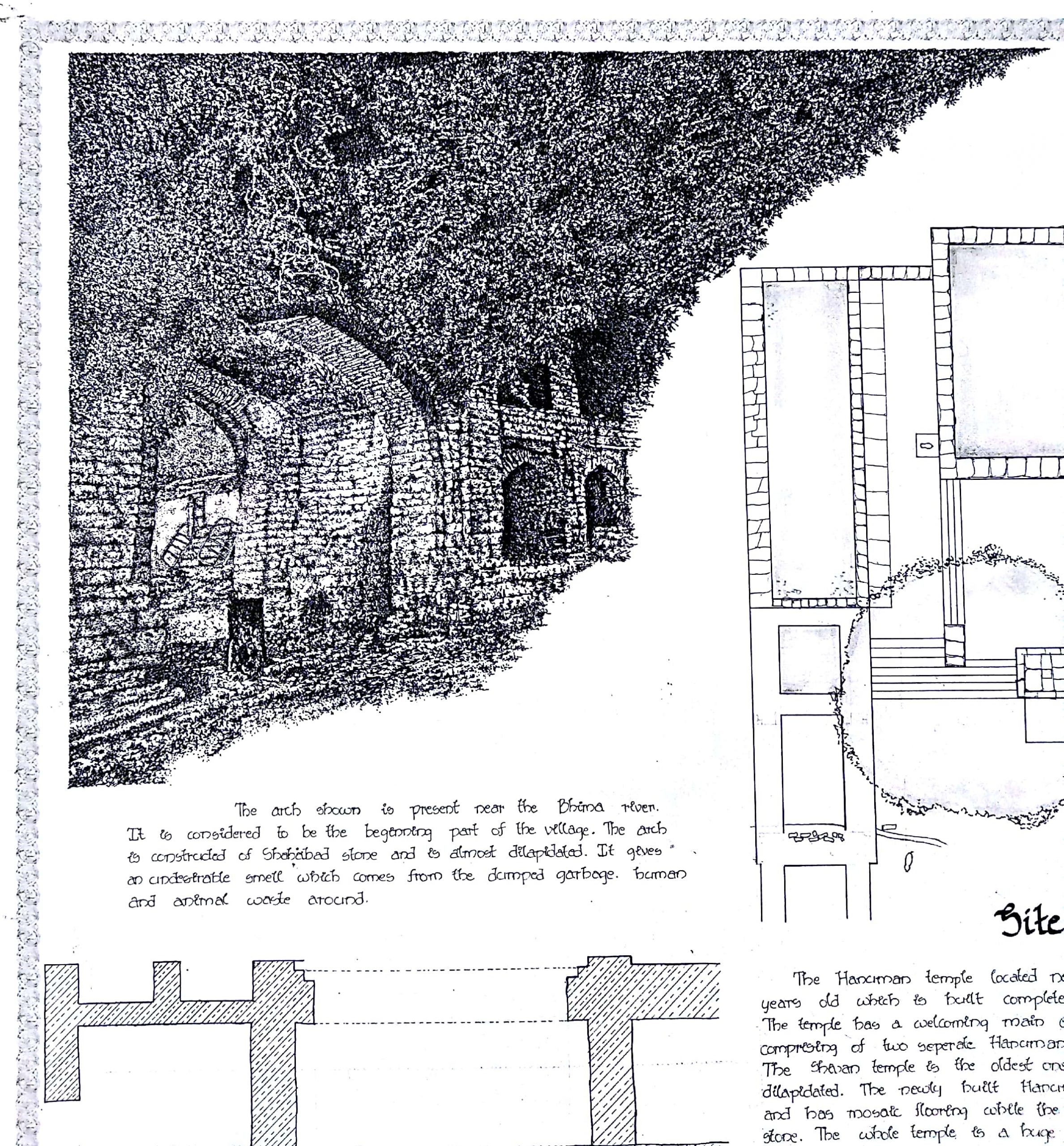
The survey of Kiranagi village was taken up by the second year Read More
Basic Design 1st year 2017
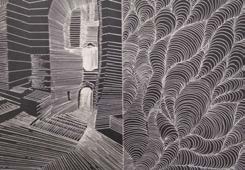
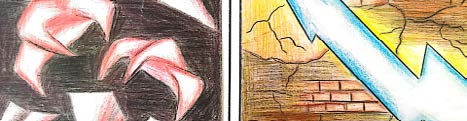
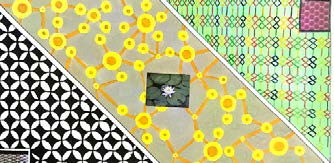
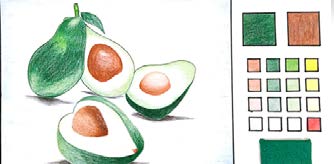
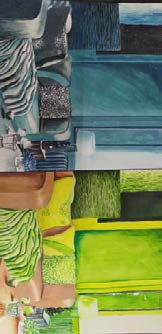
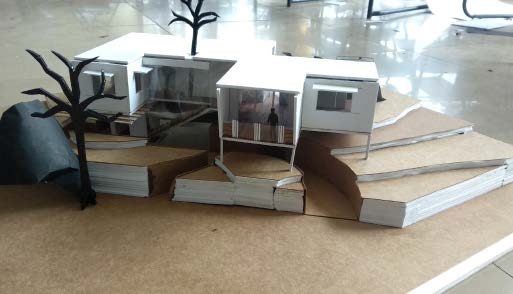
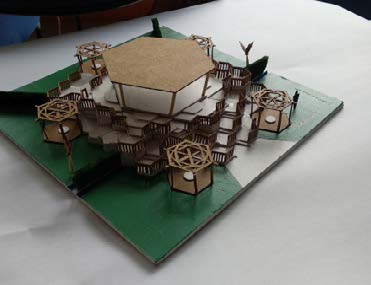
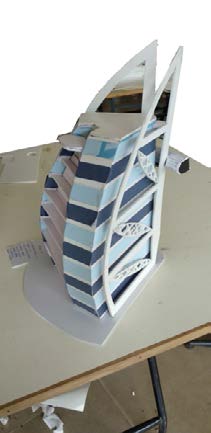
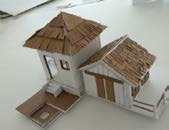
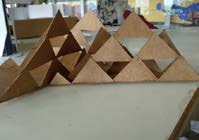
The fundamental idea is the starting point of every design. The idea is formulated into the concept; the concept is Read More
MODEL MAKING IN ARCHITECTURE:
A physical representation of the structure is important in order to study the aspects of an architectural design or to communicate design ideas. It helps in understanding the interaction of volumes.
Architectural Design 2nd year 2017
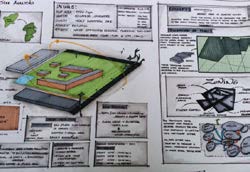
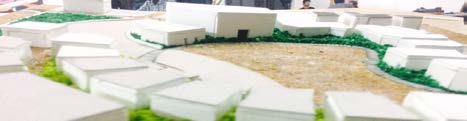
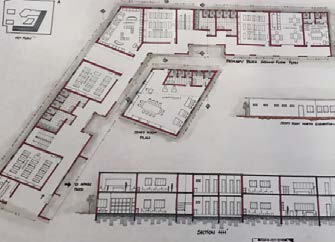
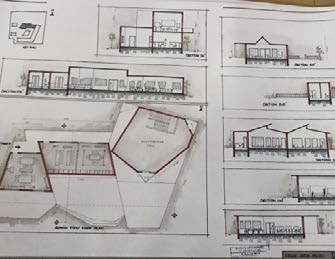
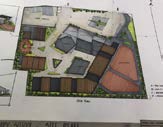
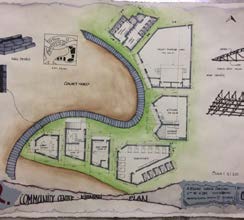
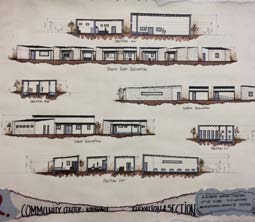
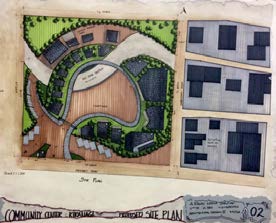
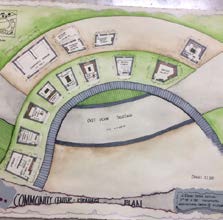
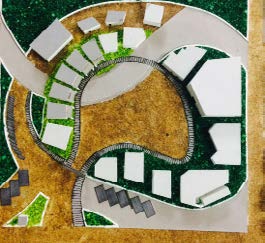
One of the objectives is to integrate specific elements into school design such as green and community issues. Read More
Proposal for a Community Center in the village Kiranagi,Karnataka. The design featured basic facilities like clinic, shops, multipurpose, training center, library, dairy soceity, community storage, day care, and dormitory.vernacular architectural elements were inculcated in the design.
Workshop on Brick Masonry Arches, Vault & Dome
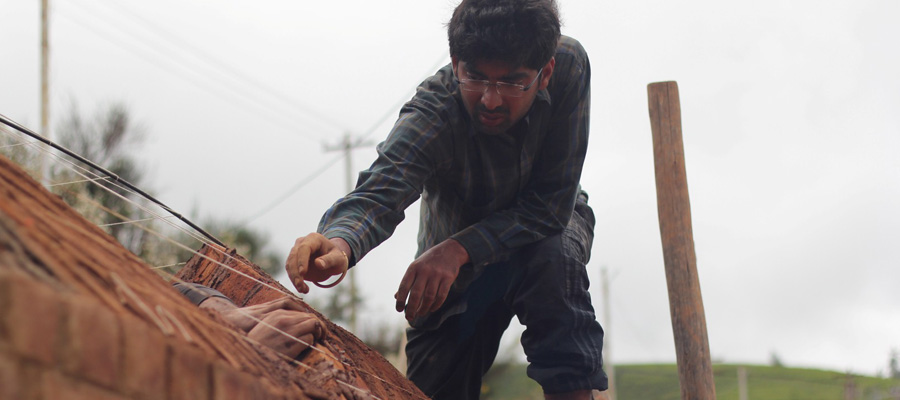
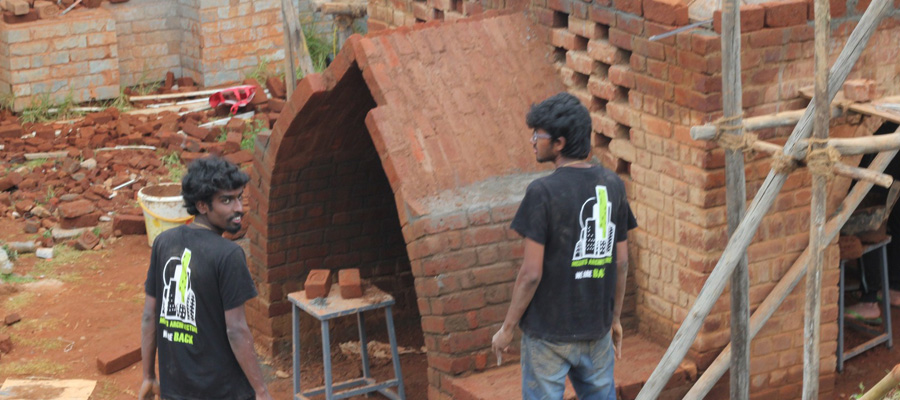
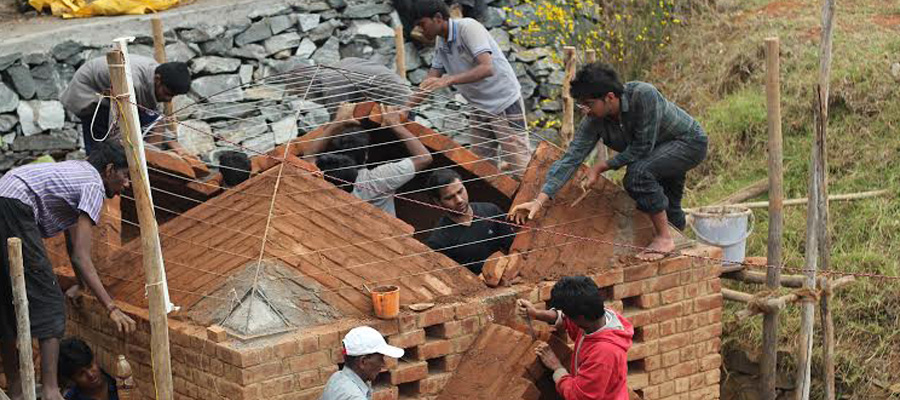
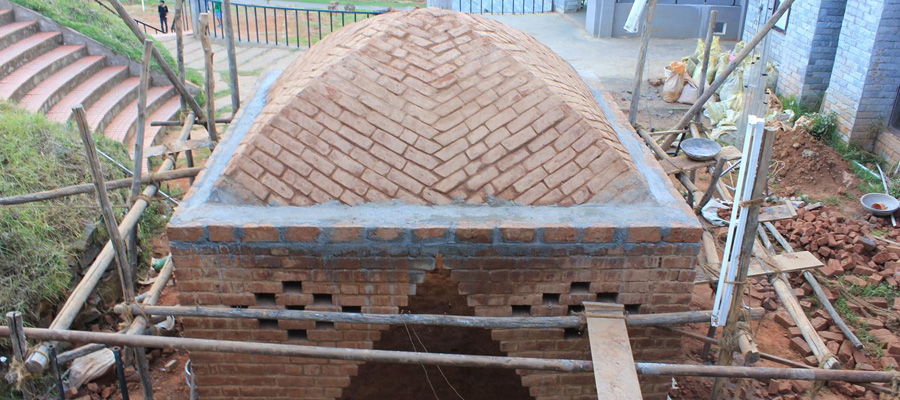
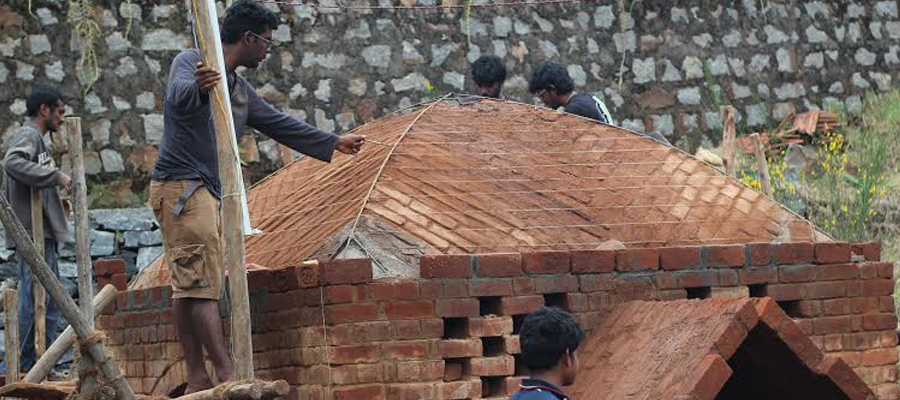
Fun, sweat, falling, stepping back up, in repeated courses made the 8 days Read More
The design was planned and executed to impart knowledge on the various types of arches, vault and dome. Each of the four walls held a different arch viz. segmental, corbelled, semi-circular and pointed. The front wall consisted of the pointed arch which would subsequently carry the vault in its shape. Students from first, second, third and fifth year students were chosen, mixed and made into groups. Each group was asked to work on one of the four walls with arches and the foundation. Further the groups were re shuffled to work on dome and vault. The mixture of students from different years made them to interact and share the knowledge they have gained at their experience levels.
The whole workshop was held in two phases each phase in one semester. The hardships involved in the actual making of a structure were understood at every point. The geometry of each arch had to be strictly adhered to, to ensure the proper transmission of load within the structure. The principles of brick bonding had to be maintained and the required angles had to be exactly symmetric on both sides of the arch. Periodically the level on two sides was checked using the water level in a pipe which works due to the equilibrium property of water.
Awareness of the changing climate during the day helped in shielding the structure. The climate changes from pleasant in the mornings to hot and windy in the noon to rainy evenings followed by more rain and strong winds in the night. Plastic sheets were tied onto the scaffoldings and tube lights were fitted on two poles to work for a little longer in the evenings. The teams constructing the dome and vault especially were slowed down at many points as it had to be monitored very carefully for interior and exterior had to align precisely for aesthetics and structure.
In course of the work, students learned to use the various tools for measurement, levelling and chamfering of bricks. The mortar ratios of brick masonry for walls, dome, vault and seating were analysed and worked out based on the needs for the structural components. Sieving sand, combining cement, sand, soil and water in their right proportions to make mortar, cutting and pasting bricks according to the needs from 8.30 am to 9.00 pm made each day at the site. Despite various downfalls, each time the guides brought students back on track even if it required removing bricks which had been constructed inaccurately. However at the end of each day everyone felt satisfied at the way the structure was rising up elegantly.
Placing of keystone for the vault and the last brick for the top-most portion of the dome were times people can never forget. The last moments before placing the keystone were challenging which was planned and executed accurately. After much waiting, the structure turned out successfully to our joy. Memorable and cheerful moments, it was celebrated as an expression of satisfaction achieved due to the coordination of students by the professors. It would be a treasure for the college and a privilege for the students from various batches who were a part of it.
Bus Shelter Perar
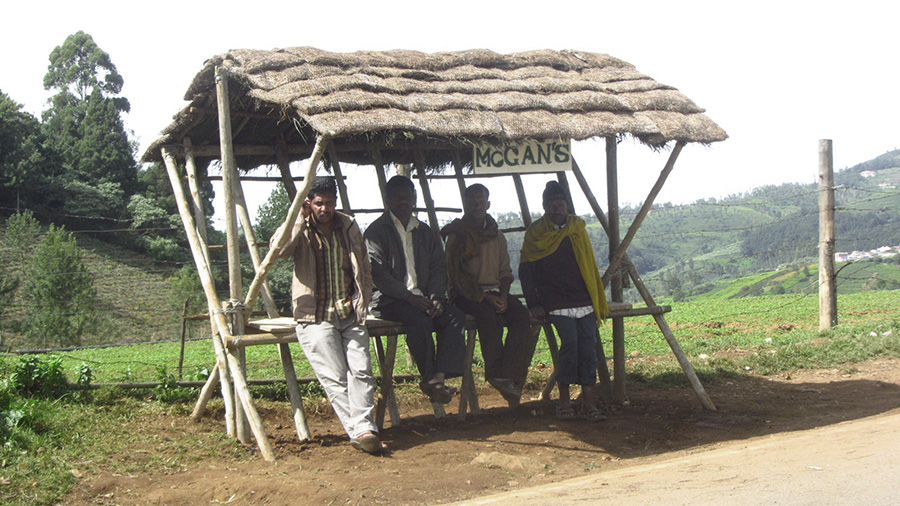
The boys loaded the bus with shrubs, sacks of pine leaves, dry eucalyptus leaves and logs of woods. Read More
The next day was quite sunny, providing us with the necessary weather conditions for working. It was an exciting experience as a team. Work was at its best that day ,as we finished constructing the main column using wooden poles, ridges,rafters and L-clamps.
We worked as two teams, in which one took up the task of constructing and elevating the main and the support columns. The other team collected “The kotagiri maar” a kind of shrub used as a base for the roof tiles. Whereas, the others bundled these shrubs using ropes.
In the meantime, the first team had constructed supporting beams and columns for the main frame. Now all we had all the resources, which needed to be installed into the frame.
On 14 of September, the weather conditions were extremely unfavourable. Despite the harsh weather, Students continued to work . By the time the rain stopped, they completed the main structure of the bus stop and installed the roof tiles and the seating of the bus stop. The roof was layered with chicken mesh, on which the stacks of kotagiri maar were placed.
“Pineuc” – was tipped off on top of these shrubs, only to give a refined layer of protection for the bus stop. Now the seating was easily fixed using wooden planks which were nailed to the skeleton structure of the bus stop. This entire project was one hell of an amazing experience. It taught us a very valuable lesson that “What we put into something, we get that back.”
Thus “Our Bus stop” stands beside the roads of Perar, waiting for a Bus to stop by. We take pride in the fact that, the very construction of this bus stop goes down as an achievement in the history of McGAN’S.
Basic Design (1st year)
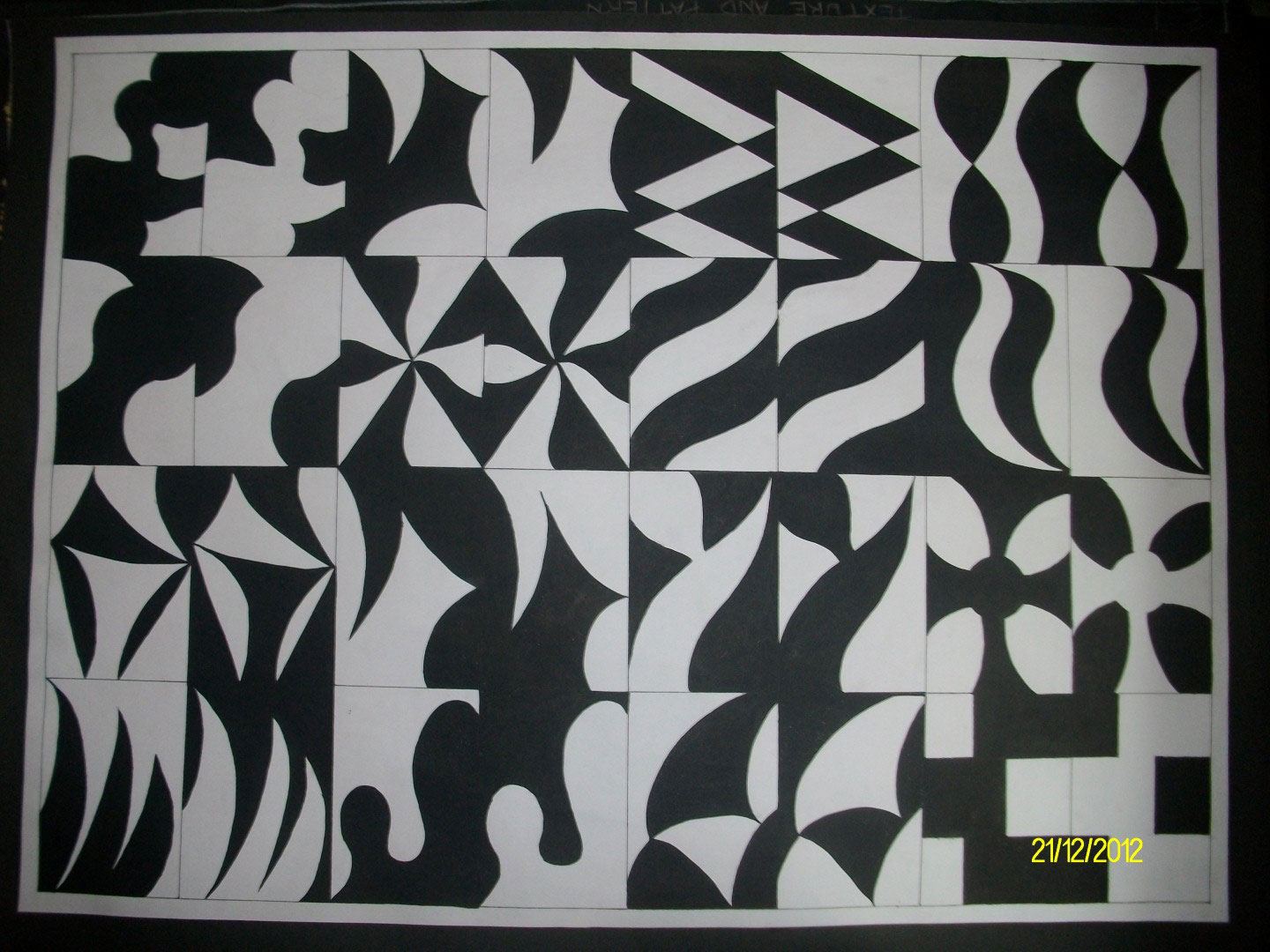
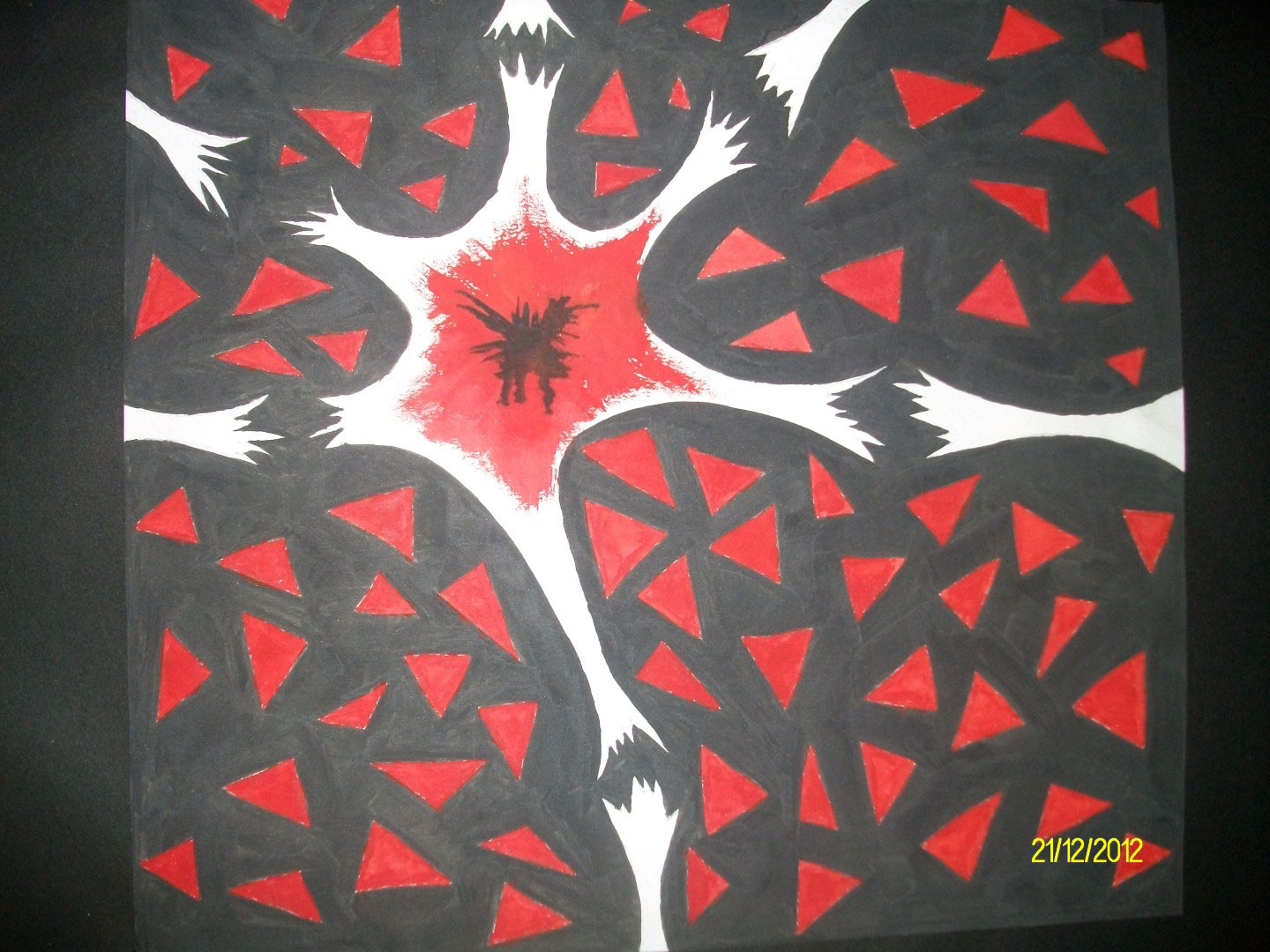
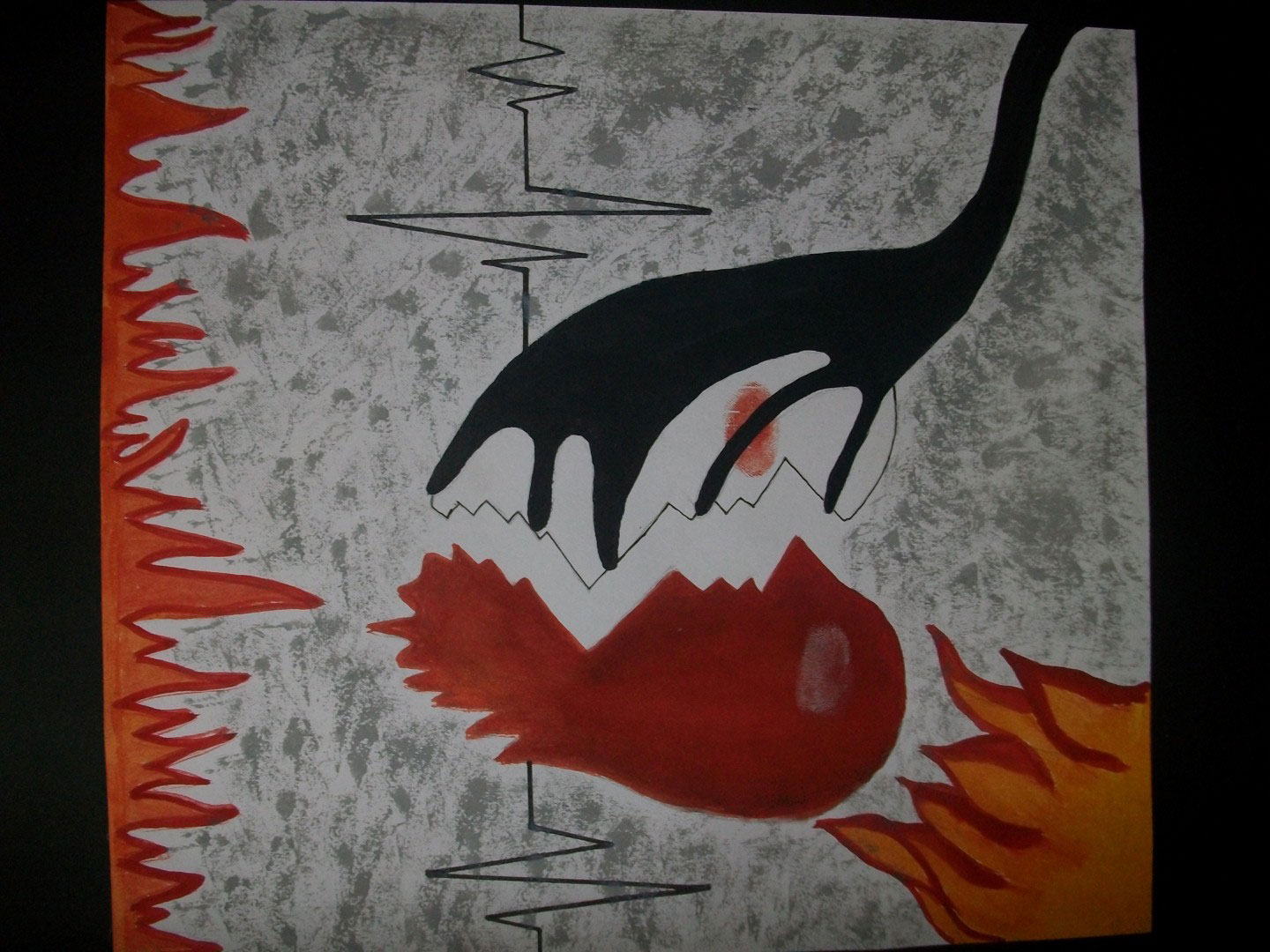
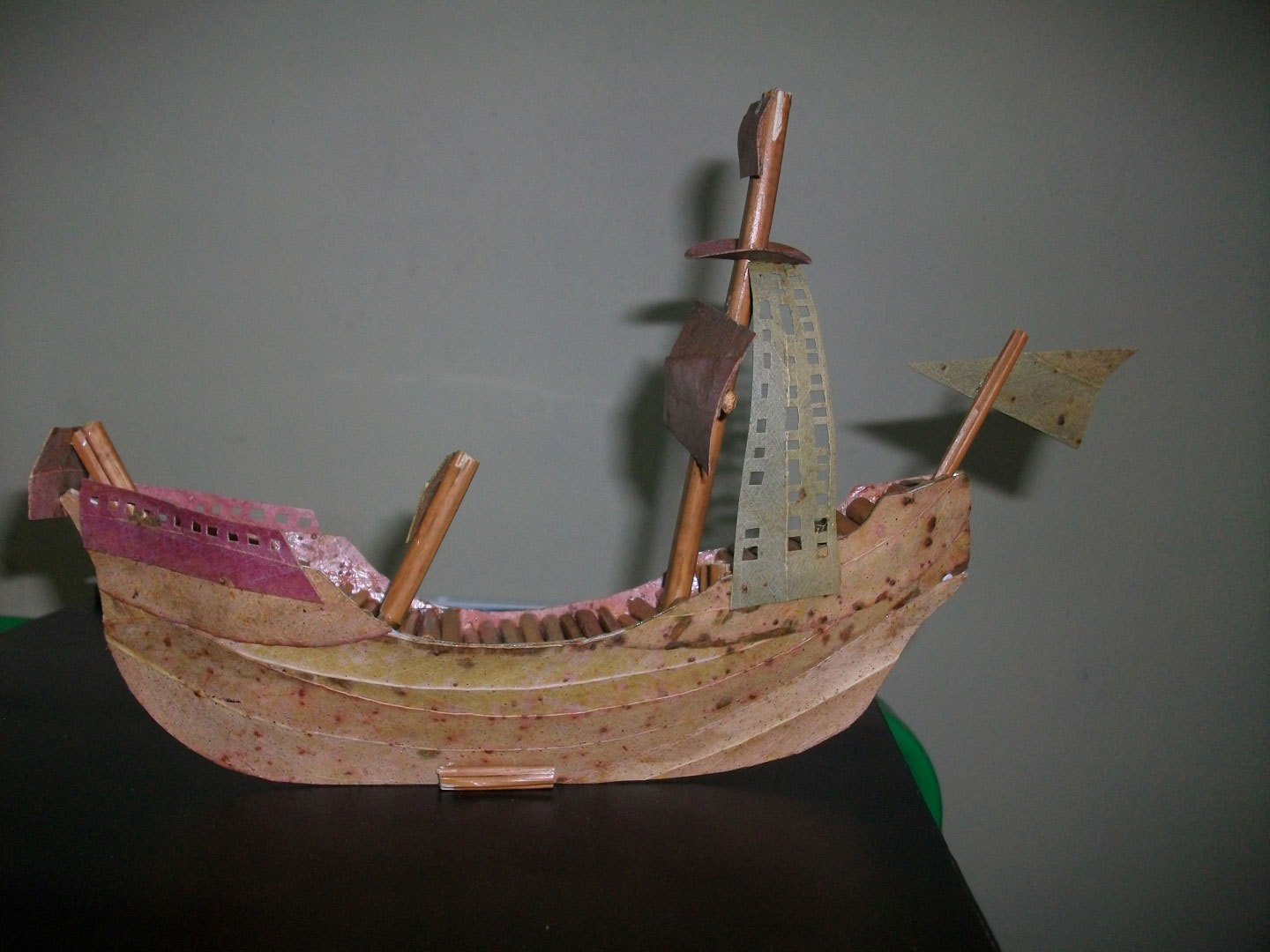
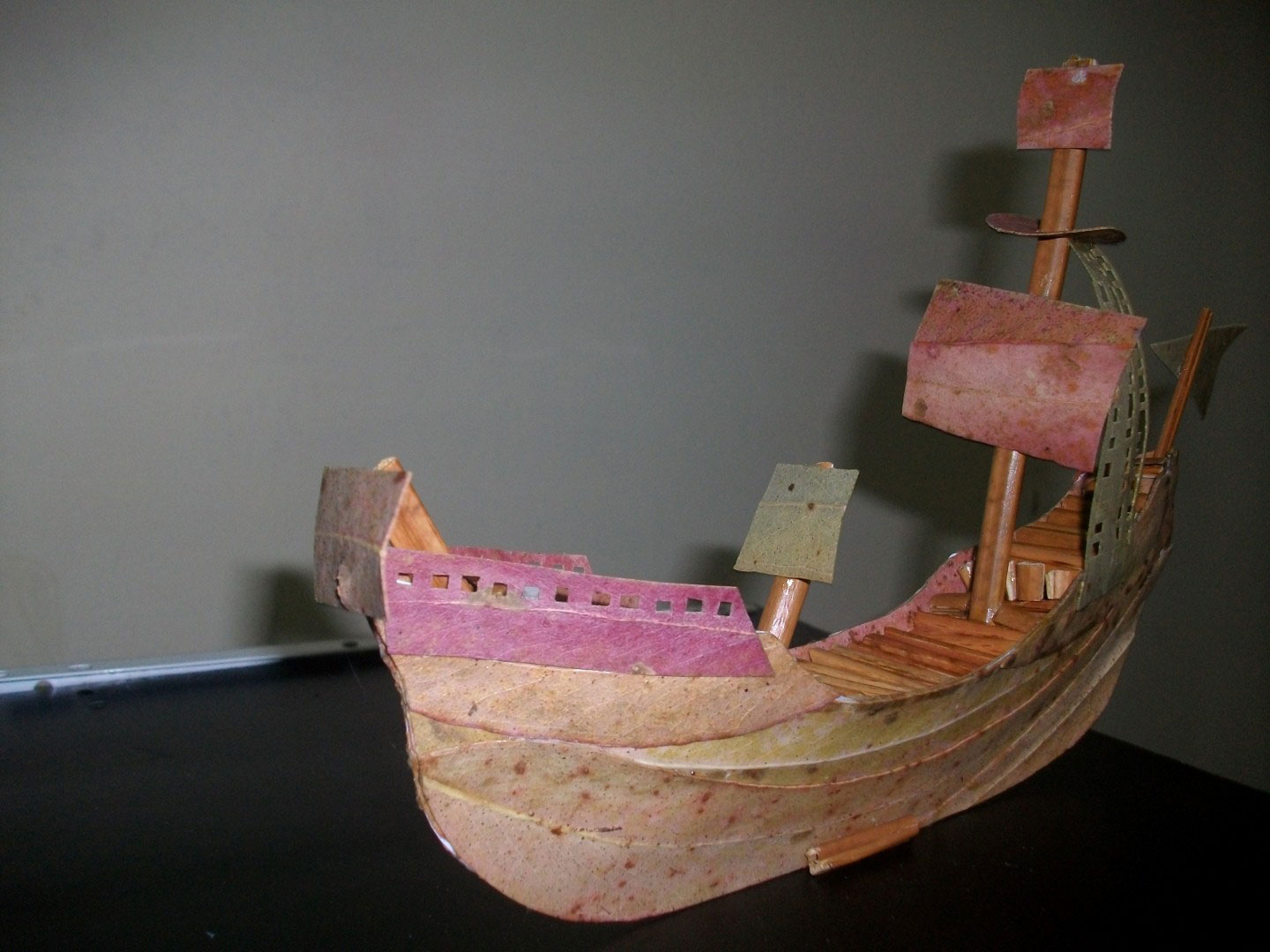
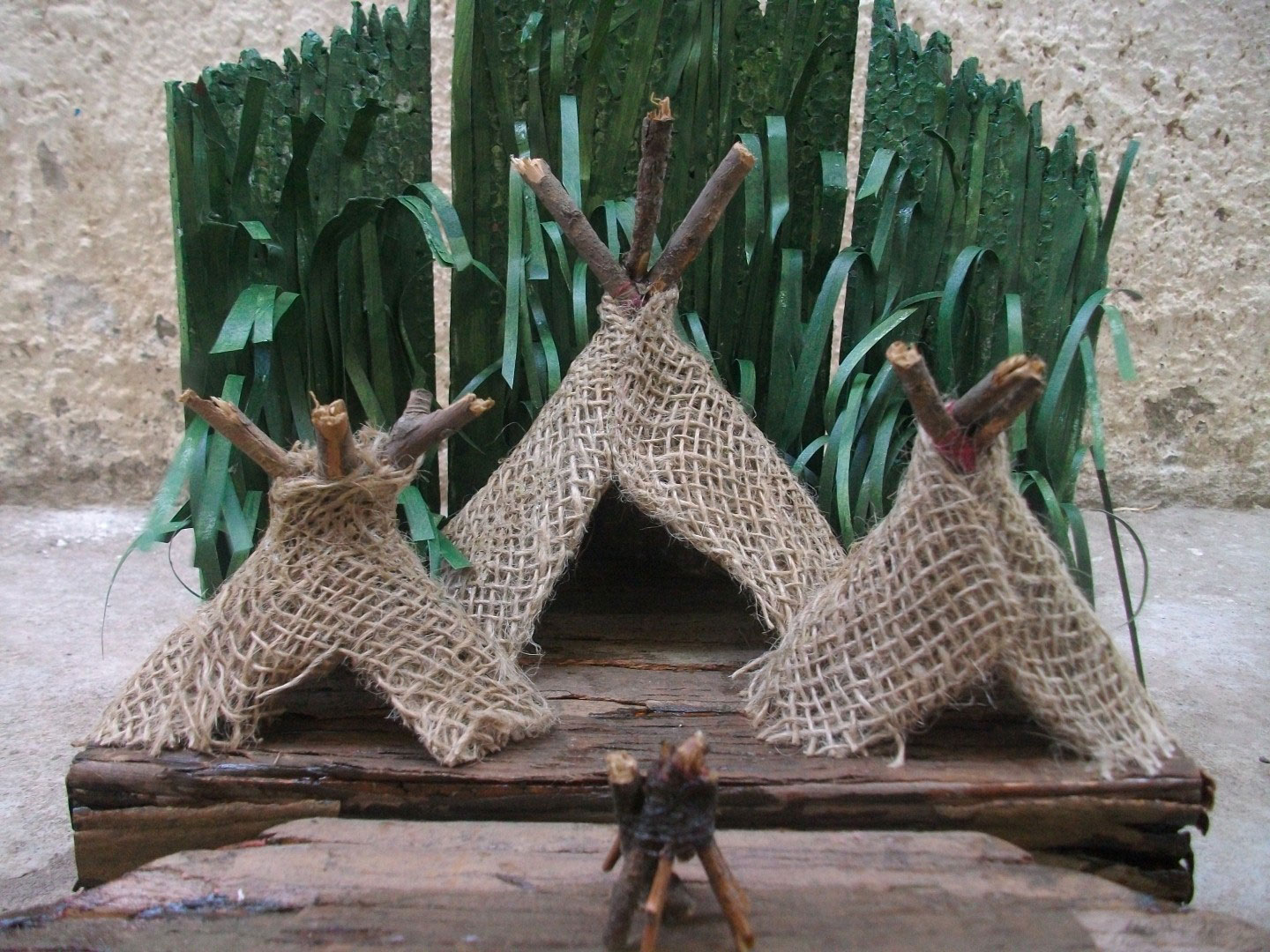
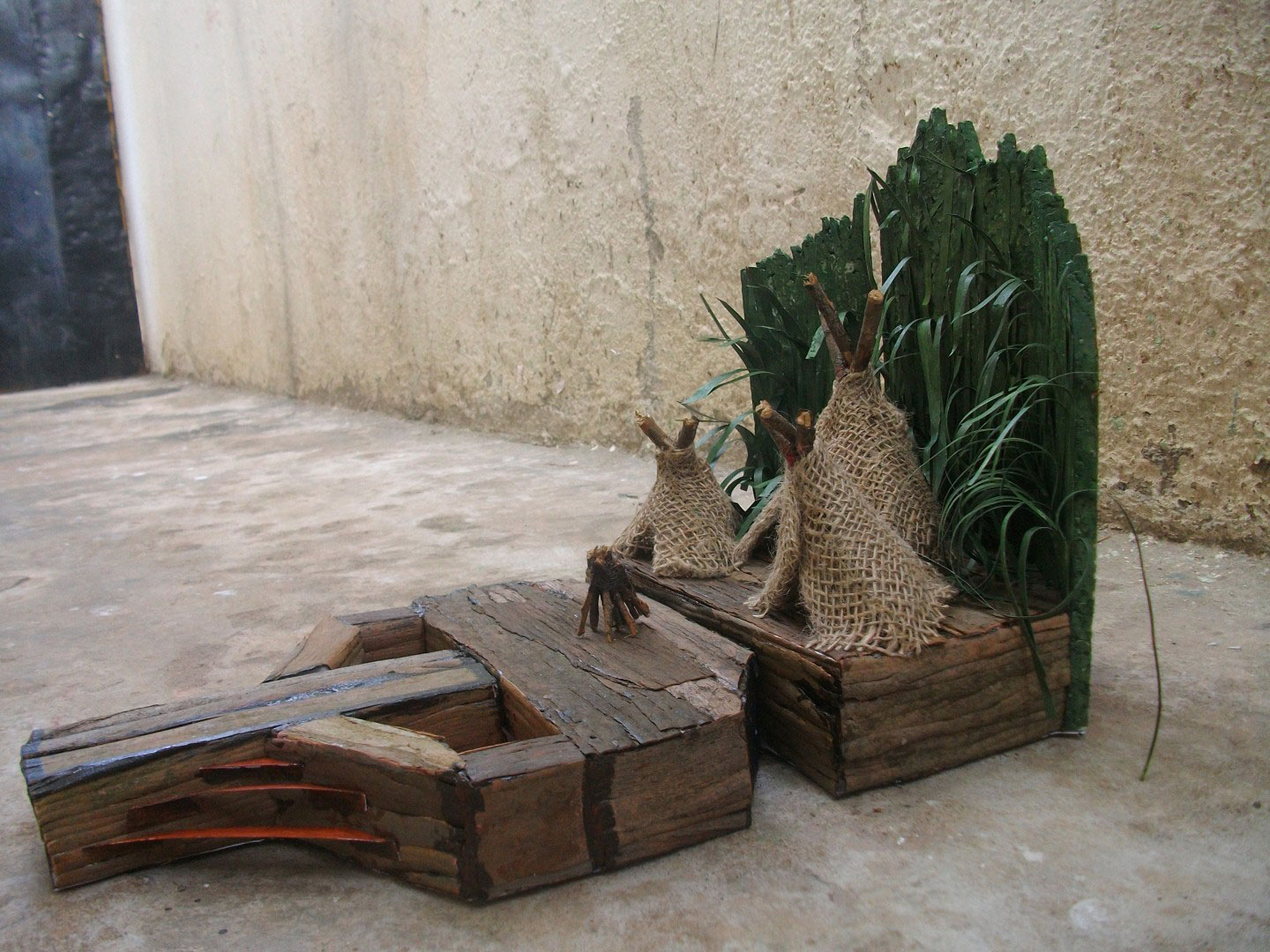
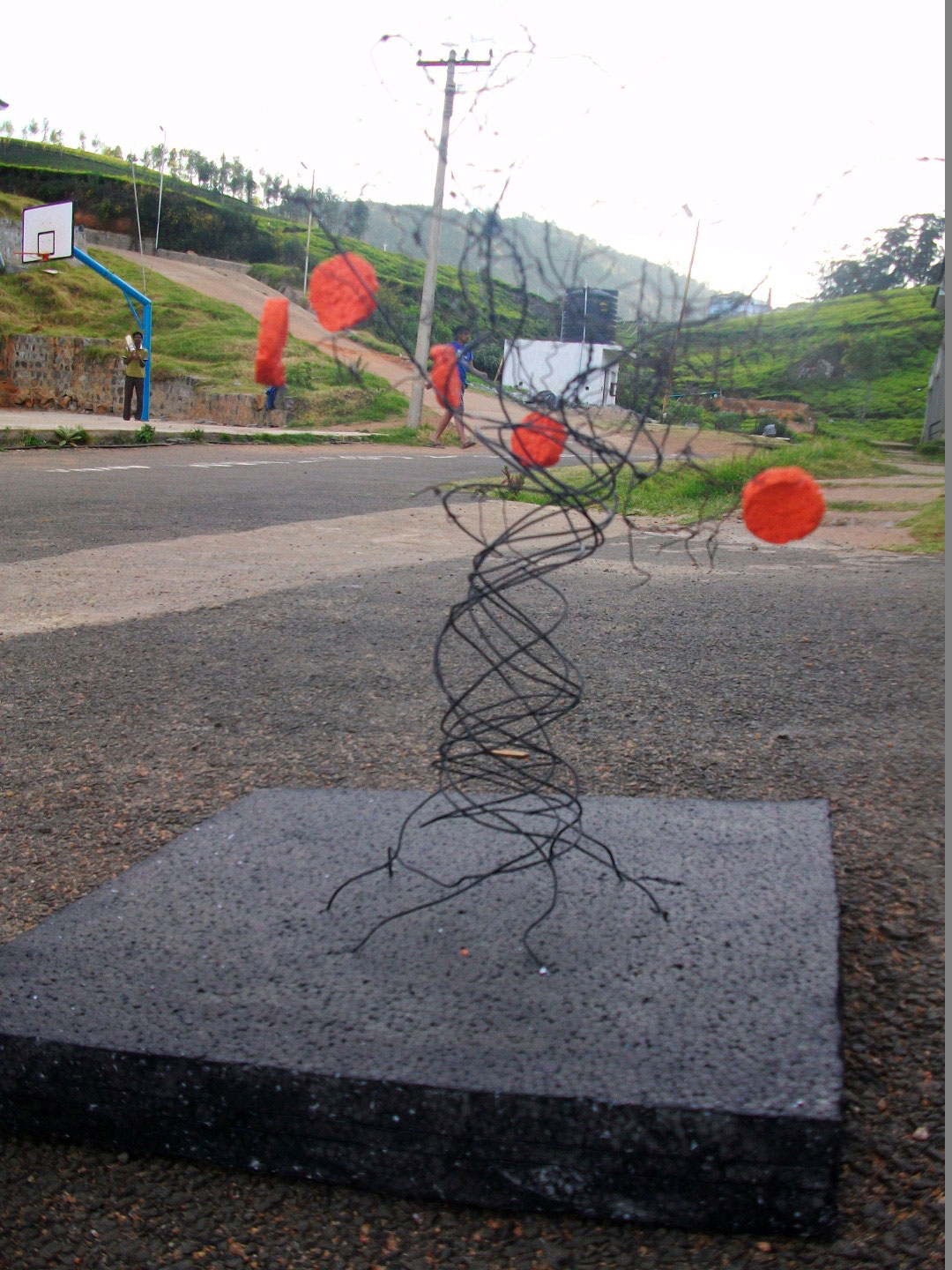
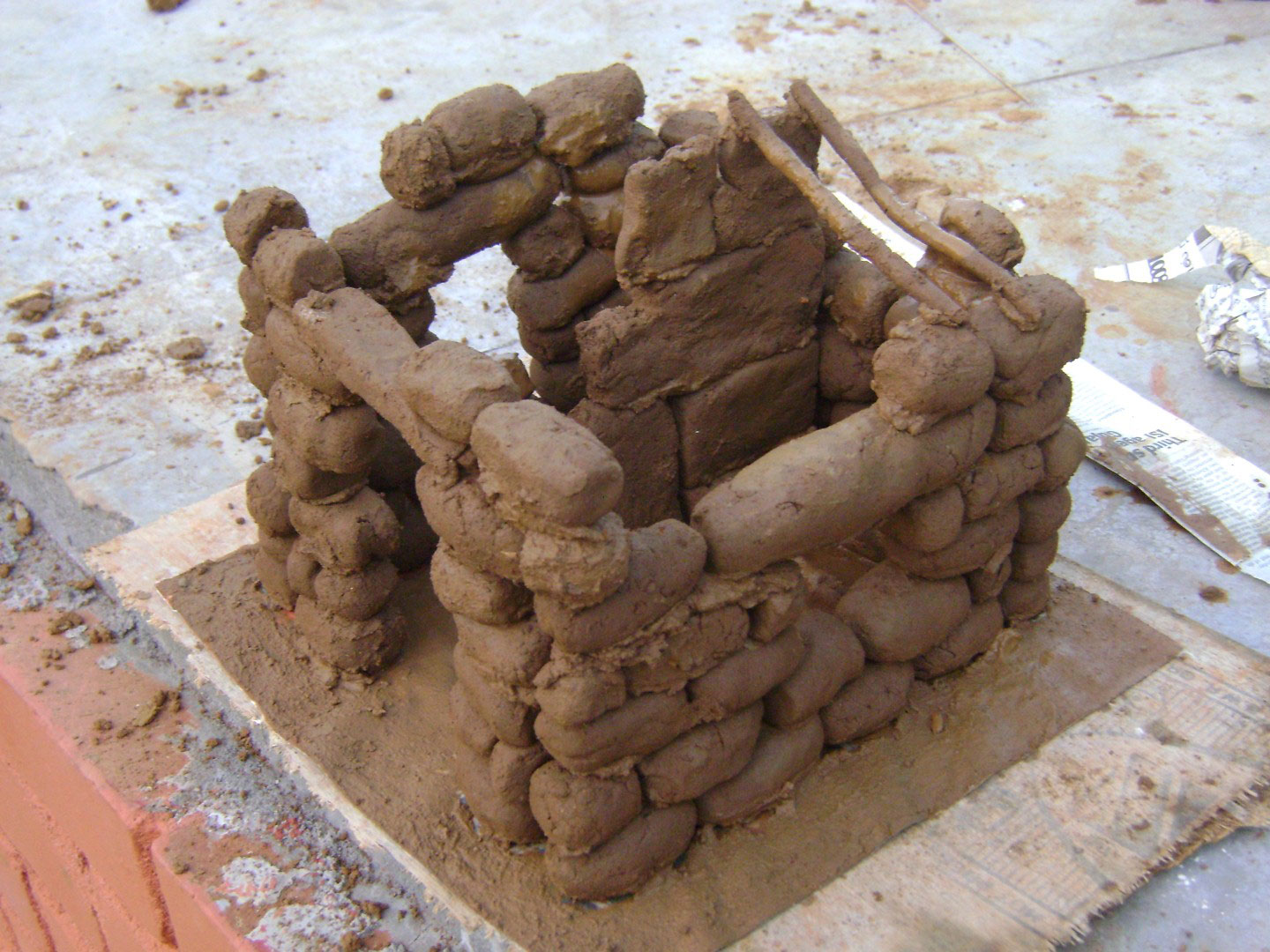
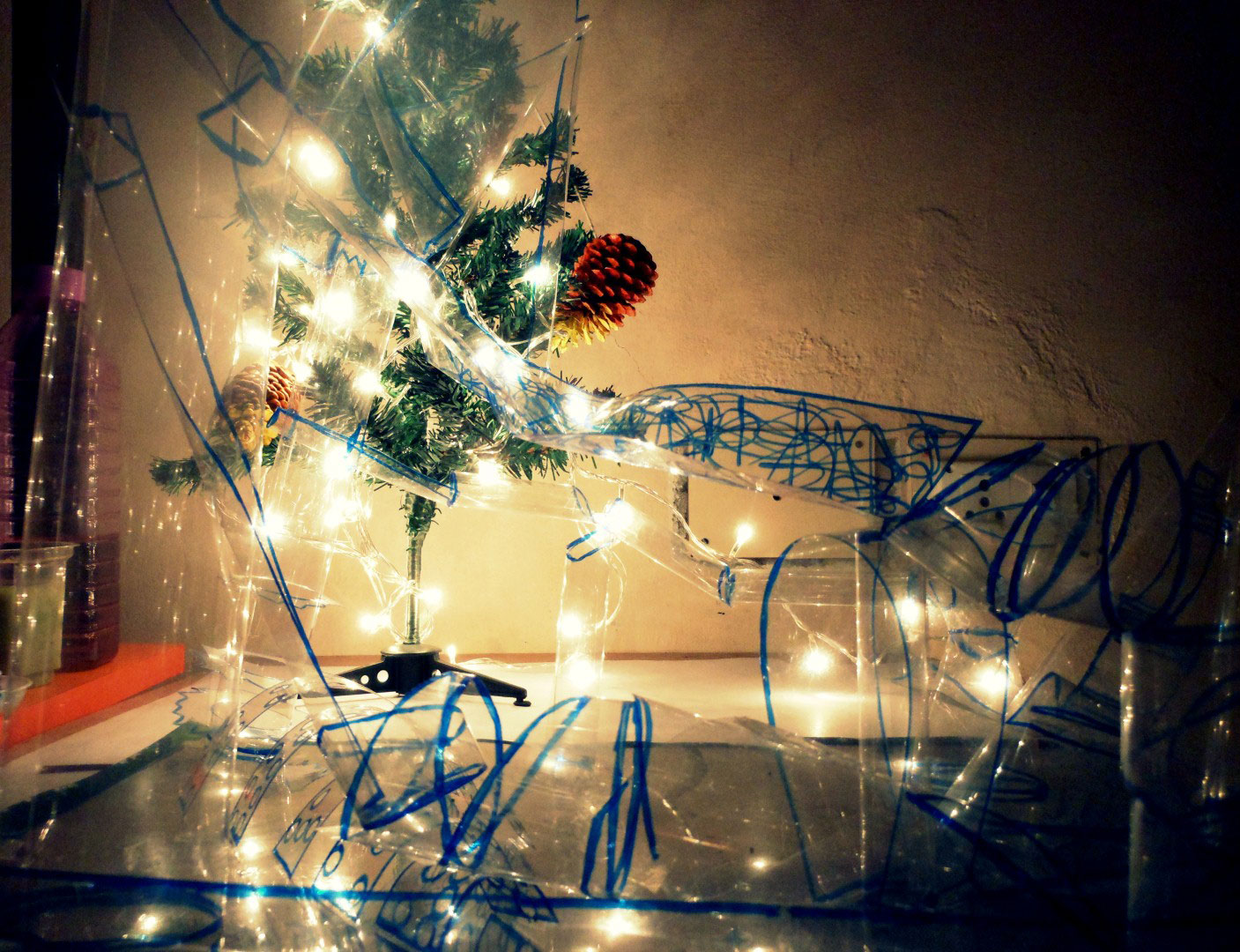
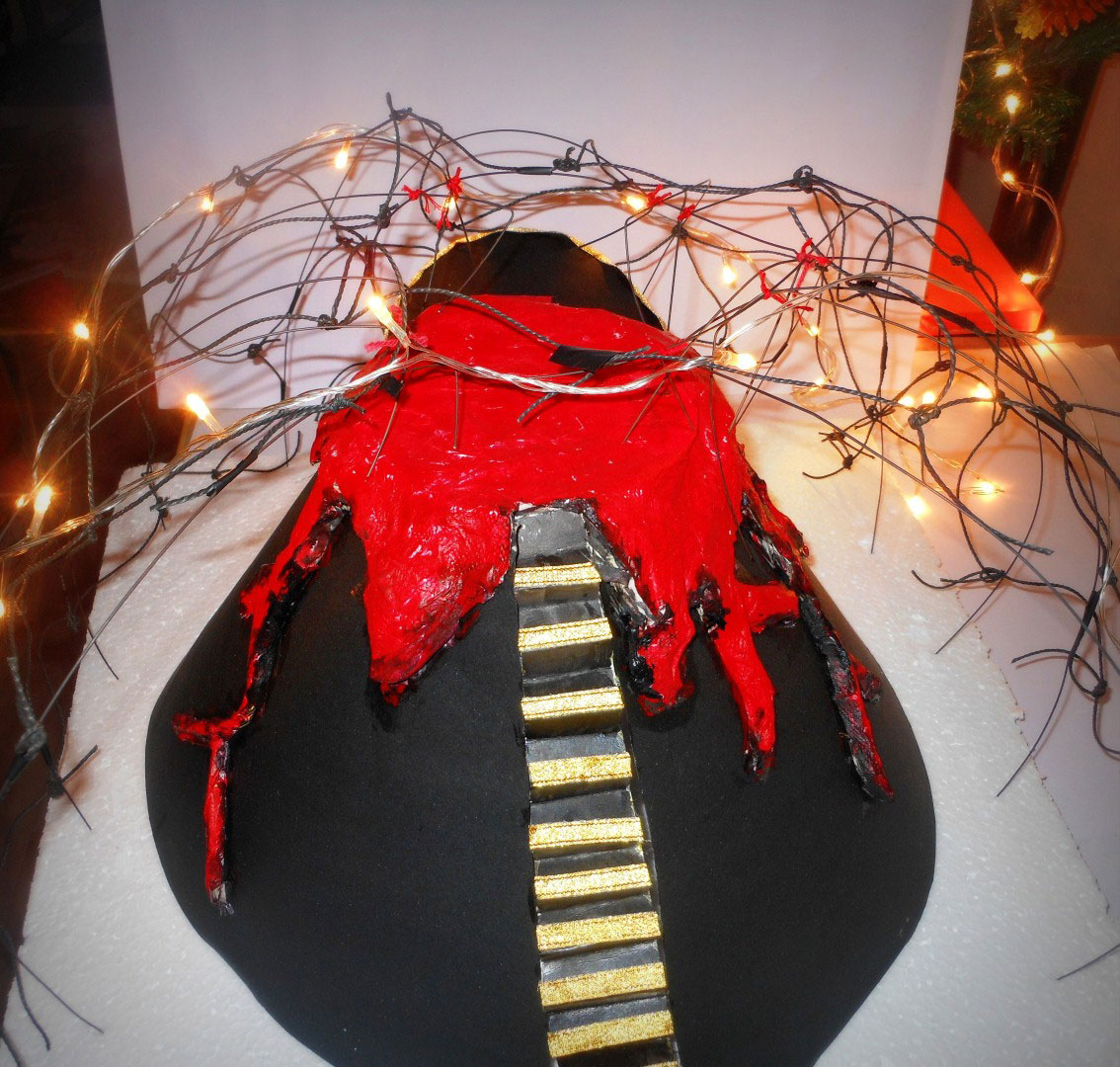
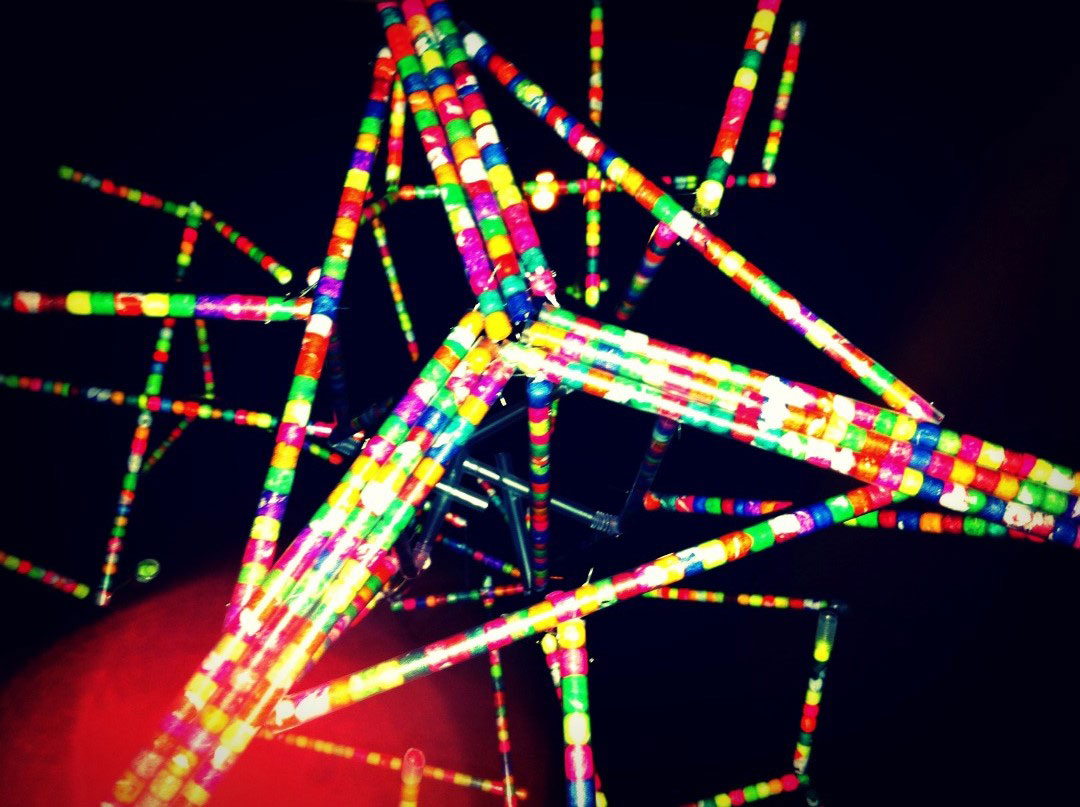
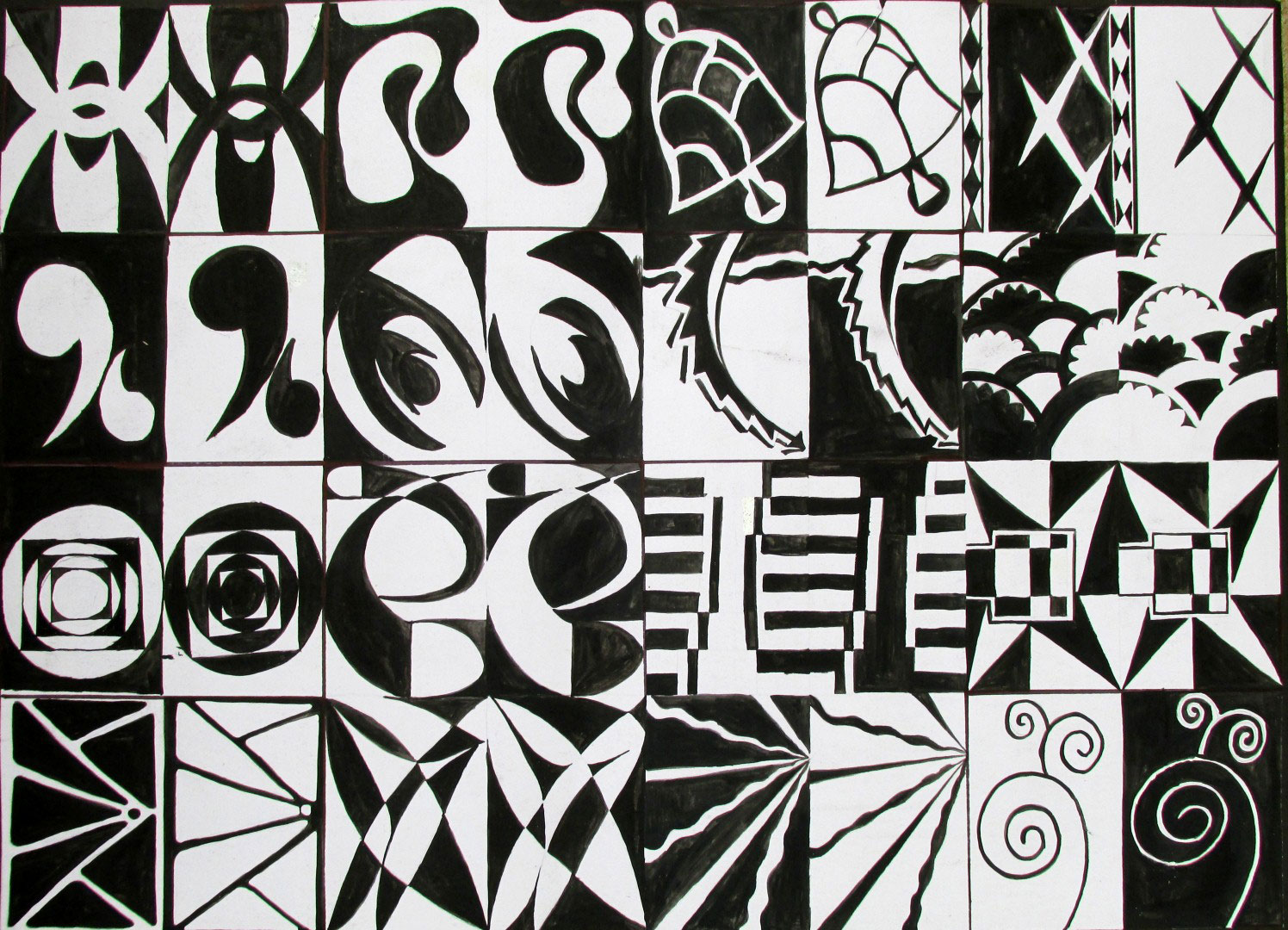
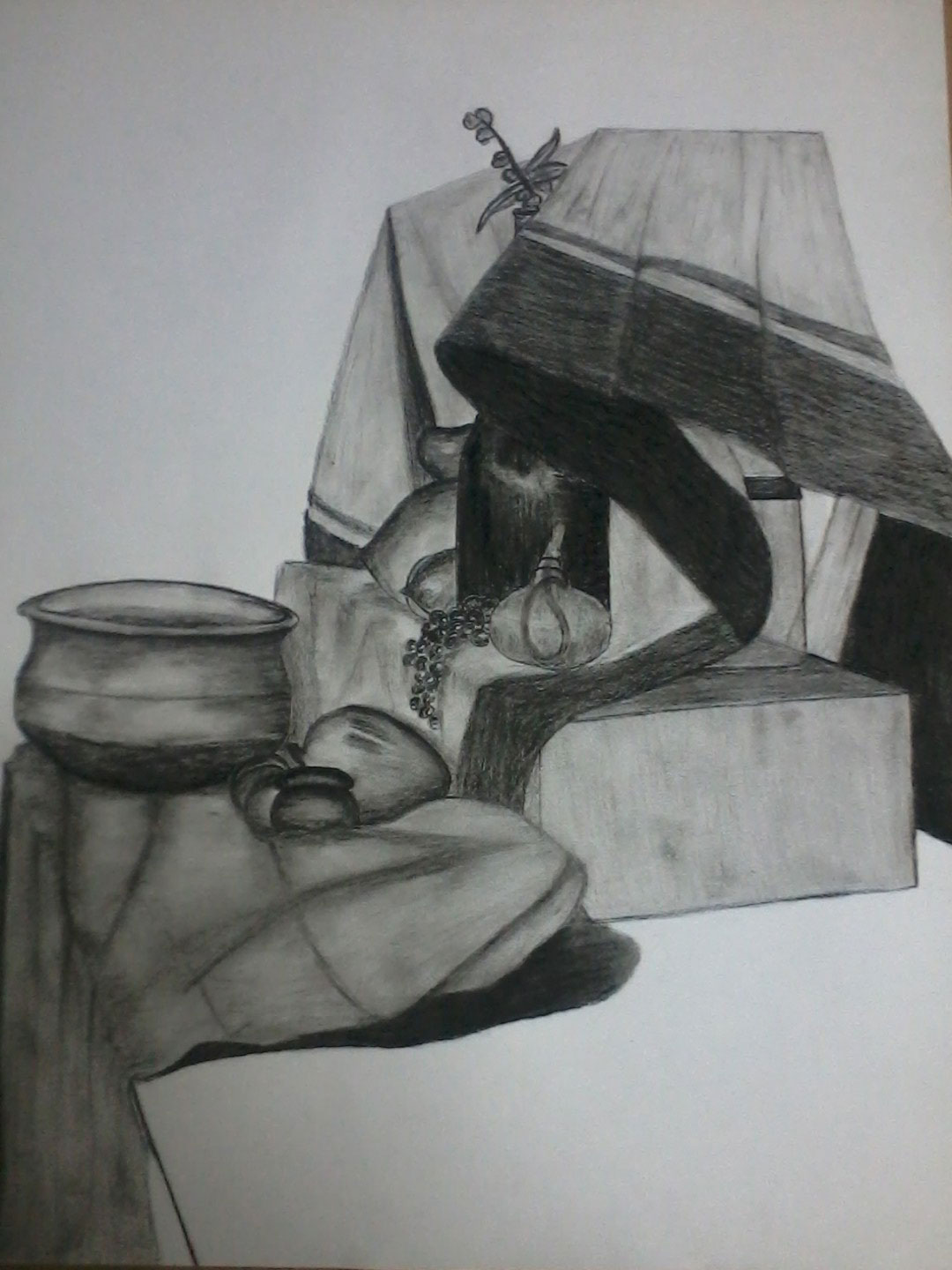
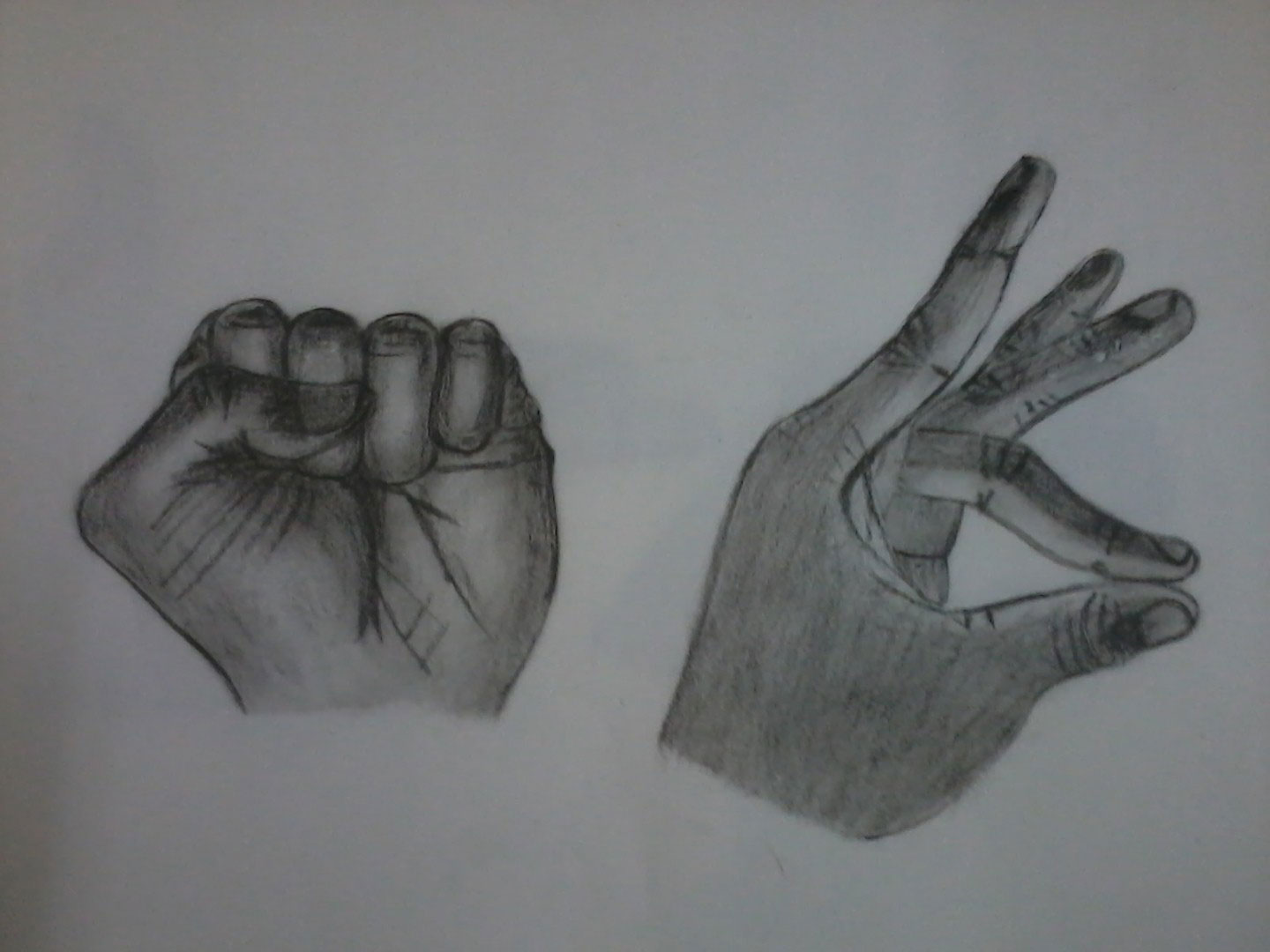
Primary elements are the base of any form, which moves from zero to multiple dimensions. Read More
POINT AND LINE:
The origin of any pictorial form is a point. The basic function of a point is to mark positions in space and when the point moves, it makes a line, which provides a sense of direction. The first exercise gave students the opportunity to convey their understanding of the basic elements in the form of an abstract model depicting point and line. For the students, understanding of abstract was limited to creating something they cannot explain, but looks aesthetically appealing. This was very well manifested through their models.
PLANE:
When lines shift in space, it creates a plane. The second exercise was an entry to flat land. The students were asked to make planes, using the ratios from the Fibonacci series. Intersecting two planes and getting back to the origin i.e. ´Point & Line´, was an exciting exercise for the students. The students played with these flat surfaces to make planes, and create some interesting spaces. The understanding of light and shadow developed itself as they progressed further. The final result of the exercise was some exciting models which were inexplicable but were exhibiting the thoughts of the burgeoning architects.
OBSERVATION SKETCHING:
The students were asked to find any object of their choice and then they have to understand the function of the object and they are asked to redesign the object with the other possible shapes and forms. The students were restricted to primary colours in this exercise.
TEXTURE GALLERY:
The students were asked to choose a painter and the paintings to be collected. Then the students were asked to apply texture to the composition they found in the paintings, with the materials of their choice.
MY SPACE DESIGN:
The students were asked to design a small space for any famous personality of their choice and the end product of the design was a real scale model of the designed space.
ANDC - Zero Kilometer 2017-18
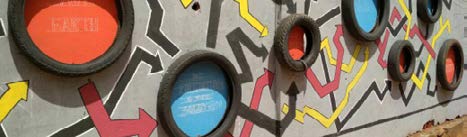
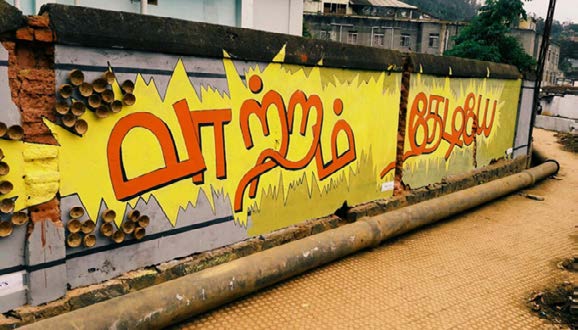
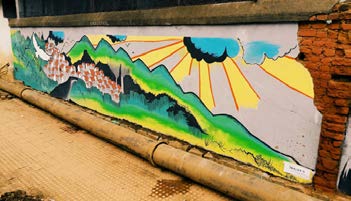
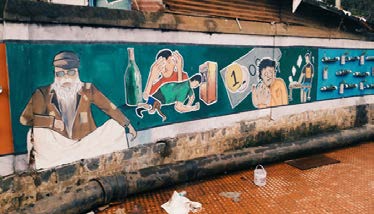
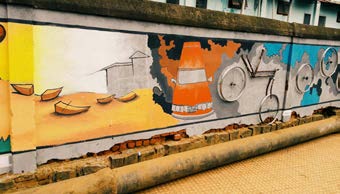
We believe it is the careful consideration of a space that implies it belongs to the area around. Read More
Therefore, with all considerations of the people that use the pathway, the team came up with an idea to revive the space for the further and proper use of it without hindrances that cause disturbance to the local people. With the initiated work, NGO’s like The MOB Project has started working on various other sites within the locality- a reflection of the work that now exists. It has not only been a beginning for many other organizations to come forward and do the same, but also has been an eye opener for the people sitting in power to finally be able to go down to the level of the working class that use the pathway to understand the problems and chaos that relevant sites such as hold.
Batch Day 2017


16th Annual NASA
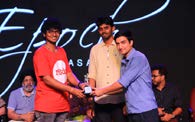
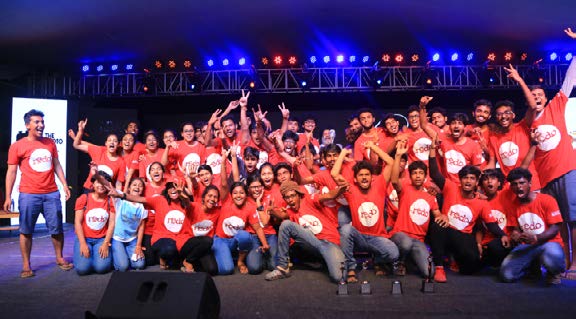
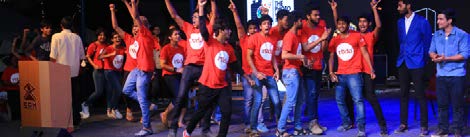
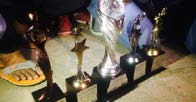
Reflection-ANC (Annual Nasa Convention) was held in Vagamon on January 29th to 2nd of February 2018. Read More
Educational Tour Batch 2016
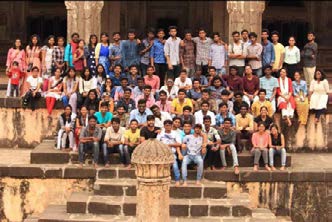
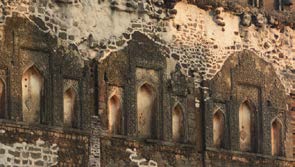
The monuments which we visited were great examples of IndoIslamic architecture of the Deccan Read More